Here’s our Father’s Day Porsche Gift Guide 2026. So if you haven’t yet gotten around to shopping for your Porschephile Dads and Grads, you’ve come to the right place. We‘ve selected these short-listed goodies for our Father’s Day Porsche Gift Guide 2026 to make shopping for your Porschephile Dads and Grads as effortless as possible.
TIP: Assemble a Father’s Day Porsche Gift Basket or a Grad’s Porsche Gift Basket bearing several inexpensive items from our Father’s Day Porsche Gift Guide 2026 here. So no need to spend on the bigger-ticket items in our Gift Guide…
You are able to jump to the types of gifts that you desire or wish to learn and explore more about by navigating through our Father’s Day Porsche Gift Guide 2026 via our Table of Contents immediately below. So let’s get started.
The classic Porsche cap with Porsche snap button on back. A part of the Porsche Motorsport Collection, as worn by the Porsche Works teams around the globe. Officially Porsche licensed.
Black baseball cap with Porsche Crest. Contrasting emblem on piping of the bill. Fully adjustable metal buckle with embossed Porsche emblem. 100% cotton. Officially Porsche licensed.
Amazon reviewers find the hat to be of good quality and appreciate its appearance. They like how it fits, particularly noting it’s great for those with big heads.
Premium Porsche Motorsport craftsmanship engineered by PUMA with meticulous attention to detail and authentic Porsche Motorsport branding.
Constructed of advanced thermal insulation for harsh winters, with high-performance padded fill and quilted construction to efficiently retain warmth, while staying lightweight and breathable.
Amazon reviewers state that the jacket is very well made. Also it is lightweight, yet keeps you warm.
NOTE: Please check the Size Chart to confirm proper fit before purchasing.
Officially licensed Porsche and PUMA Teamwear with full branding, including Porsche Motorsport logos, PUMA logos, rear wordmarks, and sponsor prints.
Hybrid lightweight construction for ultimate comfort and utility. Woven upper panels for wind resistance, paired with padded lower — body insulation for warmth and mobility. Reflective back-panel print and red piping detailing add both safety and visual flair.
NOTE: Please check the Size Chart to confirm proper fit before purchasing.
Our stylish, warm, and officially licensed Genuine Porsche Martini Racing hoodie commemorates the legendary Porsche 936 Spyder.
The 936 was developed in record time to start its first race in 1976. Because of immense time pressures, this first 936 had to debut in a matte-black finish only once at the inaugural race at the legendary Nürburgring Nordschleife or “Green Hell” track.
Buy the Porsche Martini Racing’s 936 Spyder Commemorative Hoodie now to celebrate and become a part of this once-in-a-lifetime heritage.
PLEASE NOTE: This garment is Euro-sized, which means it is 1 size smaller than U.S. sizing. So please choose one size up from what you would normally buy in the States when ordering.
Our zippered hoodie lets everyone know that the lucky recipient of our “The World Is Flat” Zip Hoodie gift is somewhat partial to flat-six Porsche engines. Ya think?
“The World Is Flat” Zip Hoodie is also suitable for owners, enthusiasts and collectors of the flat-6-boxer-engine Chevrolet Corvair (“Turbo-Air 6”) and owners and enthusiasts of Japanese cars with flat boxer engines.
Our Porsche Hunter hoodie from the Essential Collection sports luxury-brand craftsmanship, with its iconic Porsche Crest on your back and its timeless “Porsche” logo chest lettering. This stylish unisex-cut hoodie provides premium comfort too, with its 100% cotton construction in classic, understated style.
Porsche’s trademark attention to detail shows via the hoodie’s practical Kangaroo pouch and nylon-lined hood. Ultimately, this elegantly casual hoodie from Porsche’s Essential Collection captures the Porsche spirit in a refined way that discreetly showcases your appreciation for the brand.
PLEASE NOTE: This garment is Euro-sized, which means it is 1 size smaller than U.S. sizing. So please choose one size up from what you would normally buy in the States when ordering.
Our stylish T-shirt lets everyone know that the lucky recipient of our “The World Is Flat” Zip tee gift is somewhat partial to flat-six Porsche engines. Ya think?
“The World Is Flat” T-Shirt is also suitable for owners, enthusiasts and collectors of the flat-6-boxer-engine Chevrolet Corvair (“Turbo-Air 6”) and owners and enthusiasts of Japanese cars with flat boxer engines.
Amazon reviewers find that this is a very nice, well-constructed, comfortable shirt, with great symbolism.
Hit the track in this stylish, surfing-inspired tee. Featuring the iconic air-cooled, flat-six Porsche 911 flying down the tarmac near sunset — California dreamin’ of all open Laguna Seca Raceway track ahead. Oh yeah, baby, life is definitely better at the track.
Amazon reviewers state that the shirt is impressive, making it a great gift. Others find that it is a very high-quality shirt, including the pleasing quality of the graphic.
Take your love of Porsche motorsports with you wherever you go with our Porsche Motorsport PUMA tee. Whether you’re running errands, running laps, or watching laps, the Porsche Motorsport print logo makes it clear where your loyalties lie.
It consists of authentic team branding, a subtle Pasha tonal print, and red piping details that make it a standout piece for motorsport enthusiasts.
Our Porsche Motorsport PUMA tee features a crew neck, PUMA and “Porsche” logos print on chest and rear, and a medium stretch fabric (96% polyester, 4% elastane) designed for comfort and durability.
Amazon reviewers find this shirt to be of very good quality and appearance.
NOTE: Please check the Size Chart to confirm proper fit before purchasing.
Take your love of Porsche motorsports with you wherever you go with our Porsche Motorsport PUMA Polo. Whether you’re running errands, running laps, or watching laps, the Porsche Motorsport print logo makes it clear where your loyalties lie.
Our Porsche Motorsport PUMA Men’s Team Polo consists of authentic team branding, a subtle Pasha tonal print, and red piping details that make it a standout piece for motorsport enthusiasts.
Our PUMA Polo features PUMA and “Porsche” logos print on chest and rear, and a medium stretch fabric (96% polyester, 4% elastane) designed for comfort and durability.
Amazon reviewers find the polo shirt to be of great quality, and appreciate its appearance.
NOTE: Please check the Size Chart to confirm proper fit before purchasing.
The following Porsche Books and Literature have been hand-picked and curated specially for our StuttgartDNA Father’s Day Porsche Gift Guide 2026 this year.
This is indisputably the very coveted Holy Grail of Porsche literature that all Porsche-enthusiast Dads and Grads would love most to have in their library. We chose this item as one of the crown jewels in our Father’s Day Porsche Gift Guide 2026.
Porsche: Excellence Was Expected, 4 Volume Set, 2019 Edition, Karl Ludvigsen’s masterwork, is the unrivaled history of the Porsche company, its cars, and its motor racing heritage from the first Gmünd Porsche in 1948 through its sixty years as an independent car company to its continued success with the 2020 Taycan under the auspices of the Volkswagen Group.
Over 40 years ago, Ludvigsen’s first edition of Porsche: Excellence Was Expected was first hailed as the definitive archetypal marque history, and updates in 2003 and 2008 continued to reinforce that reputation.
For this final update, the first in over 10 years, Ludvigsen reviewed newly-to-be-had Porsche archival material, conducted new in-depth interviews, and unearthed many fresh facts that allowed new and infrequently surprising interpretations of many aspects of the Porsche company and its cars.
Now in four volumes, 2,836 pages and with nearly 3,000 photos and illustrations, each page of this all new updated edition has been revised and redesigned.
Remarkable both for its breadth of coverage and its technical depth, Porsche: Excellence Was Expected covers each road and racing car from the first Gmünd coupe through the development of the 2020 all-electric Taycan.
Amazon reviewers find this collection to be the definitive historical reference on Porsche. Similarly, others call it the “Porsche Bible” or “Porsche Encyclopedia.”
The Porsche 911 Book, showcasing the stunning 911 photography of René Staud, is the revised, updated edition of the 2013 bestseller. The hardcover book comes in a refreshing new format, with new content and an impossible-to-resist price tag.
911-enthusiast Dads and Grads will certainly appreciate the gifting of this must-have Porsche 911 book. It celebrates the unique history of Porsche’s iconic sports car, from its launch at the 1963 Internationale Automobil-Ausstellung (IAA) Auto Show in Frankfurt to present day.
Mr. Staud, through his distinctive photography, captures every brilliant detail of each 911 model variant, honoring the car’s unique and unmistakable design language ― inside and out. Just beware, though. The book’s size is smaller than you would normally expect; it measures in at 7.64 x 9.45 inches.
Again, this is a must-have book for every Porsche enthusiast. The Porsche 911 Book makes a nice gift for Father’s Day, Graduation, or any other occasion, especially for that 911 lover in your life.
Amazon reviewers praise the book’s photography, noting that every page features images.
24 Hours of Le Mans Curiosities: From 1923 to the Present arrives in paperback. The book is illustrated with many photographs that aid in fleshing out a greater understanding of the legendary race.
Since we are keen Rennsport students of the granddaddy endurance race of them all, we chose this as a must-have gem for inclusion in our Father’s Day Porsche Gift Guide 2026 this year.
So too for avid Le Mans-enthusiast Dads and Grads, the book serves up a plethora of interesting facts and tidbits, some well-known but many more obscure and arcane — but nonetheless fascinating — from the first 1923 race, to present times.
Once 24 Hours of Le Mans Curiosities: From 1923 to the Present is read, the reader won’t look at the French granddaddy of sports car endurance racing the same ever again.
The book gives a new perspective on all things Circuit des 24 Heures du Mans set in chronological order. There are thousands of pieces of curious information on drivers, constructors, layout, statistics, categories, milestones, nationalities and regulations, and so much more, in this fun-to-peruse paperback.
Amazon reviewers find that the book has a lot of content, at a relatively low price.
Air & Water: Rare Porsches, 1956–2019 is a hardback book about one of the most rare and desirable Porsche sports cars ever produced. The book was curated by Stephen Struss, with photography by James Lipman.
The Saratoga Automobile Museum, in collaboration with architect Steven Harris, presents 22 of the marque’s rarest air- and water-cooled cars here.
This remarkable collection highlights the manufacturer’s past seven decades of production — from 356 Carreras and Speedsters to high-performance RS 911s — all captured in sensational detail by renowned photographer James Lipman.
The stunning imagery is accompanied by specifications and history, in addition to driving impressions from leading automotive writers Richard Meaden, John Simister and others.
Air & Water combines breathtaking imagery and words to move the reader on a thrilling journey of being in behind the wheel of these ultra-rare machines.
Amazon reviewers praise it as a top-quality book with an abundance of information and spectacular photos. One reviewer finds that it is a must-read for any Porsche enthusiast.
In Porsche 75th Anniversary: Expect the Unexpected, the full story of Germany’s fabled marque is revealed through a richly illustrated account of Porsche’s most surprising moves and successes. Porsche-enthusiast Dads and Grads will no doubt appreciate what an invaluable gift this will truly turn out to be.
The book fleshes out the defining events and innovations that have created the Porsche legend, from original Porsche No. 1 to today’s 911, Boxster, Cayman, Cayenne, Macan, Panamera, and all-electric Taycan.
Created along with Porsche’s cooperation, Porsche 75th Anniversary takes you behind the scenes of Stuttgart’s most famous cars in addition to its extraordinary cast of characters. This book offers something for all Porsche enthusiasts, whether they be rear-engine loyalists, race fans, or followers of recent vehicles like the Cayman, Boxster, Macan, and Taycan.
In essence, the book is a fascinating gaze back at the world’s premier sports-car maker from the vantage point of its stellar 75th anniversary. So celebrate 75 years of Porsche excellence as you eagerly peruse this must-have book for all Dads’ and Grads’ Porsche library or cocktail table.
Amazon reviewers find this Porsche book informative and easy to read, with well-written content and good photography. Moreover, they appreciate its historical value, with one reviewer noting a nice mix of detailed text and pictures, and another highlighting its comprehensive authoritative analysis.
Porsche 356: 75th Anniversary chronicles the full story of Porsche’s original sports car, from Porsche No. 1, to the first Gmünd coupes, to today’s prized Porsche collector cars. This is definitely a book that 356-enthusiast Dads and Grads will love to have in their Porsche book collection or on their coffee table.
Patriarch Ferdinand Porsche always dreamt of a compact sports car — in contrast to the large cars in vogue early in his automotive engineering career — that he was never able to create on his own.
Curiously, in contrast, the Typ 356 was developed much later by Ferdinand’s son, Ferry Porsche, and introduced in 1948.
We witness how the Porsche 356 evolved over its 17-year lifespan through four distinct series: pre-A, A, B, and C, with coupes, cabriolets, Speedsters, hardtops, and roadsters among its many body variations.
Porsche 356: 75th Anniversary indeed articulates this comprehensive, in-depth story exquisitely — a must-have book for both Porsche and 356 enthusiasts, as well as sports-car history buffs — another gem finding its way into our Father’s Day Porsche Gift Guide 2026.
Amazon reviewers find the book to be a very well documented evolution of the 356 model, as well as the history in general of Porsche from the beginning. Other reviewers praised the mix between Porsche knowledge and photography.
The following Porsche Engine Model Kits have been hand-picked and curated specially for our StuttgartDNA Father’s Day Porsche Gift Guide 2026 this year.
Our Franzis Porsche 911 Boxer Engine Model Kit makes a fantastic gift for tinkering Porschephile Dads and Grads. The final assembly is a 1:4-scale model of Porsche’s iconic 2-liter, six-cylinder boxer engine from 1966.
This Porsche Museum Edition features genuine Porsche engine sounds, LED spark-plug-firing simulation, and a working distributor. The cams, pistons, shaft, and fan are activated by the belt — so everything can be seen through the clear engine casing, its “innards” moving just like those in the actual 911 boxer engine.
The kit arrives with a specially commissioned manual written by the Porsche Museum in Stuttgart with unique archival images. No glue is needed, as the kit’s 290 pieces screw together. Assembly tools are included. On average, it takes about 3 total hours to complete the build.
Amazon reviewers praise the quality and detail, describing the engine model as stunning and impressive when completed.
Our Franzis Porsche Carrera Racing Engine Model Kit is a premium collectible that brings Porsche’s rich 550 Spyder “Giant Killer” history to life. The engine’s iconic engineering becomes readily apparent in the final build of this detailed 1:3-scale replica of the extraordinary 547 Porsche racing engine that powered the legendary 356 and 550 Spyder race cars.
This Franzis Porsche Carrera Racing Engine Model Kit features genuine Porsche engine sounds, LED spark-plug-firing simulation, and a working distributor. The cams, pistons, shaft, and fan are activated by the belt — so everything can be seen moving just like those components in the actual Carrera racing engine.
The kit arrives with a specially commissioned and beautifully illustrated handbook from the Porsche Museum in Stuttgart, with historical context and engineering details. Perfect for tinkering Porschephile Dads and Grads, no glue is needed, as the kit’s approximately 300 precision-molded pieces screw together.
Amazon reviewers find the model engine kit to be of good quality, with one mentioning it’s a wonderful H-4 engine. They appreciate the assembly instructions book, with one noting assembly is not too technical.
As is the case with the other two engine kits here in our Father’s Day Porsche Gift Guide 2026, our Franzis VW Beetle Flat-Four Engine Model Kit makes a fantastic gift for all car enthusiasts, especially true Porschephiles and students of Porsche history.
The Flat-Four Engine Model Kit is a premium collectible that captures the iconic engineering of one of history’s most legendary cars. In fact, today’s Porsches may never have existed had it not been for this engine and the iconic VW Beetle (1949-1953) itself, both of which breathed life into Porsche No. 1, the very first Porsche to bear the Porsche moniker, as well as all other Porsche 356 models that followed.
Once your model is fully assembled, you can enjoy the fruits of your labor by being able to witness the crankshaft, pistons, and valves moving just like a real engine, plus hear the authentic engine sounds and see the spark plugs fire.
Along with the engine kit’s museum-quality design, included in the box is a beautifully illustrated collector’s manual with VW history and detailed assembly instructions.
Assembly is an easy “snap,” as the 200 precision-molded parts snap or screw together cleanly — no glue needed. On average, it takes about 2 total hours to complete the build.
Amazon reviewers find the model kit’s assembly excellent, with one mentioning that all parts mesh together well. Moreover, the model receives positive feedback for its quality, with one customer noting it’s the best they’ve built.
Porsche Genuine OEM Gear
The following Porsche Genuine OEM Gear has been hand-picked and curated specially for our StuttgartDNA Father’s Day Porsche Gift Guide 2026 this year.
Hand-picked and curated for our StuttgartDNA Father’s Day Porsche Gift Guide 2026 this year, our Porsche Motorsport Backpack is a premium daily-use piece that extends his motorsport passion beyond your Dad or Grad’s Porsche Motorsport collection. It features the iconic Porsche Motorsport branding, instantly recognizable by any racing enthusiast round the world.
Unlike static display pieces and models, this is a functional backpack that your Dad or Grad will proudly use daily while showing off their racing passion. Some of the premium features include its large capacity, with padded laptop pocket, mesh bottle side pockets, and padded shoulder straps for comfort.
Its durable construction includes its water-repellent 100% polyester material designed for travel and everyday use. The Porsche Motorsport Backpack is the perfect way for your Dad or Grad to tote his everyday essentials while celebrating his love of Porsche.
An ideal gift for any Dad or Grad Porsche enthusiast who collects Porsche model kits, lifestyle accessories, and appreciates authentic automotive memorabilia, our Porsche Genuine Crest Keyring is the perfect everyday companion celebrating his passion.
Available in red, black, or blue leather, it is made from the same leather used inside Porsche vehicles, with the full color metal crest and gold-colored ring. It is perfectly Gift Ready, arriving in an official Porsche gift box, ideal for fellow enthusiasts to keep as part of their collection. Made in Germany for Porsche.
Amazon reviewers consistently compliment it as a classy, professional accessory that adds a premium everyday luxury touch to your keys. They also report it’s well-made, holds up beautifully over time, and makes a meaningful, genuinely appreciated gift for any Porsche owner.
Our Porsche Crest Logo White Baseball Cap is a versatile everyday piece that showcases your Dad or Grad’s passion effortlessly. It is official Porsche Merch, as genuine OEM product with the iconic Porsche Crest sewn on front, replicating the same quality standards seen in Porsche vehicles.
The Porsche Crest Logo White Baseball Cap is perfect for any occasion, whether it be while driving with the top down, for casual outings, or track days, this cap works everywhere. It is adjustable and versatile, as its stretch metal buckle with stamped Porsche logo adjusts easily to fit all sizes, and features a ponytail hole for added functionality.
Amazon reviewers consistently commend the Porsche Crest’s quality and the cap’s overall build, making it a staple Porsche fan piece. Additionally, reviewers think it’s an excellent gift option.
The Porsche First Aid Kit is a practical safety essential designed specifically for Porsche vehicles. Its compact size ensures use in any other make and model too. The kit is also ideal for home or office.
The kit’s hard ballistic nylon exterior premium construction also includes rubberized Porsche logo and red-lined interior. The kit stores 27 essential first-aid items including gauze, bandages, scissors, gloves, and a CPR face shield.
Amazon reviewers consistently compliment the kit’s well-made manufacture and authentic Porsche branding at a fair price point — not a cheap knockoff.
However, there are mixed reviews on size and fit: Some reviewers found it slightly larger than expected. Its dimensions are 8.5 in. x 6 in. x 2.5 in. So try to check your Dad or Grad’s car model’s storage space for proper fit if possible.
Your dedicated Dad or Grad Porsche enthusiast who invests in genuine OEM accessories to celebrate his passion for the marque will certainly appreciate our Genuine Porsche License Plate Frame in Matte-Black Stainless Steel. It will be the perfect finishing touch to his Porsche.
Installation is easy-peasy. Four universal mounting holes, included hardware and matching finish screw-concealer caps make installation straightforward.
Amazon reviewers consistently commend how the license-plate frame adds a touch of class and instantly reveals one’s Porsche pride while maintaining understated elegance. However, some reviewers mentioned that the included screws are too small for certain U.S. models. So, many upgraded to larger screws for a perfect fit.
Our 11-oz. BenShot Golf Ball Rocks Glass makes for a sure pleaser as a gift to Dads and Grads — certainly a premium gift for all golfers. It arrives in a Gift-Ready box and is made in the USA by hand in Wisconsin.
Right off the bat, it’s a unique conversation starter. Our Rocks Glass features a real Titleist golf ball embedded in the glass.
Amazon reviewers consistently praise it as an excellent Father’s Day gift; perfect for anyone who appreciates quality and uniqueness. They also report it’s a fun, memorable gift that always impresses, as it is sturdy and ideal for scotch, whiskey, bourbon, or any other favorite spirit.
Note: Hand wash only to preserve the embedded golf ball.
Our 16-oz. BenShot Golf Ball Pint Glass makes for a sure pleaser as a gift to Dads and Grads — certainly a premium gift for all golfers. It arrives in a Gift-Ready box and is made in the USA by hand in Wisconsin.
Right off the bat, it’s a unique conversation starter. Our Pint Glass features a real Titleist golf ball embedded in the glass.
Amazon reviewers consistently praise it as an excellent Father’s Day or Graduation gift; perfect for anyone who appreciates quality and uniqueness. They also report it’s a fun, memorable gift that always impresses, as it is sturdy and ideal for your favorite beer or cocktail.
Note: Hand wash only to preserve the embedded golf ball.
Our Fluance Elite 5.1 Speaker System boasts its expertly timber-matched 5-speaker system with a powerful 10″ subwoofer designed to surround you with each brilliant nuance in the optimal manner in which the artist intended.
The Fluance Elite 5.1 Speaker System includes 2-way floor-standing towers, dynamic rear surrounds, a powerful Cinematic Revel In and precision-crafted cabinets. The Fluance Elite High-Definition Surround Sound Home Theater 5.1 Channel Speaker System also comes in Natural Walnut and Black Ash.
Amazon reviewers consistently laud the sound quality, build durability, and remarkable value at this price point. One reviewer enthuses that they are fantastic speakers, are well crafted and engineered with an excellent sound quality, and are beautiful to look at while sounding amazing.
What Dad or Grad wouldn’t absolutely fall in love with the beautiful looks and sweet sounds of this awesome system?
500+ bought in the past month because of its impossible-to-resist low price tag relative to its feature-rich value.
Our Audio-Technica Fully Manual Direct-Drive Turntable (Analog & USB) is an excellent choice for serious vinyl enthusiasts. Its professional direct-drive servo motor delivers rock-solid speed stability with quartz-locked accuracy, ideal for critical listening.
The turntable offers versatile connectivity by way of its USB output that lets you digitize your vinyl collection, plus analog RCA outputs for direct connection to your home stereo system.
It offers fully manual control, surprising studio-grade solid construction for its lower-price point, simple video-guided assembly and set-up, and a reassuring 7-year warranty.
Amazon reviewers consistently praise the crisp, clear audio and excellent sound quality with the included AT-VM95E dual-magnet cartridge. Sez one reviewer, “I think this turntable is a great product. Gives you a lot of usabillity, good features on a reasonably priced package.”
(StuttgartDNA CAVEAT: Some reviewers have voiced their discontent with the poor-quality Instruction Booklet that comes with the product. Please refer to “King Richard’s” December 24, 2024, review on the product’s Amazon page for his clever workaround to easily solve this annoying problem.)
𝐏𝐫𝐨𝐩𝐚𝐧𝐞 𝐆𝐚𝐬 𝐆𝐫𝐢𝐥𝐥 & 𝐂𝐡𝐚𝐫𝐜𝐨𝐚𝐥 𝐆𝐫𝐢𝐥𝐥 𝐂𝐨𝐦𝐛𝐨: Owning our Captiva Designs Combo Grill means enjoying the convenience of gas-grilled cuisine as well as the flavor of charcoal-grilled proteins and veggies. The spacious 61-inch-long cooking counter makes grilling a breeze.
𝐒𝐮𝐩𝐞𝐫-𝐋𝐚𝐫𝐠𝐞 𝐂𝐨𝐨𝐤𝐢𝐧𝐠 𝐀𝐫𝐞𝐚: The Captiva Designs Combo Grill has a 520 sq. in. porcelain-enameled cast-iron-grate primary cooking area, plus 170 sq. in. stainless-steel warming rack.
The Captiva Designs’ secondary BBQ cooking area consists of 690 sq. in., and the gas grill and charcoal grill zones are individually controllable, allowing greater grilling flexibility. There are also slide-out grease and ash trays, making clean-up a breeze too.
Amazon reviewers find this grill to be a high-quality dual-fuel option that’s easy to assemble with two people. The porcelain-enameled cast iron grates heat evenly on both sides, and the pull-out oil tray makes cleaning convenient.
Other reviewers appreciate its versatility for backyard BBQs and family gatherings, and find it worth the price. Yet other reviewers report that this grill feels professional, heats like a dream, and becomes the centerpiece of every backyard gathering.
Hinged cooking grate for easily adding charcoal while grilling
One-Touch cleaning system with high-capacity ash catcher
13-burger capacity when made with a Weber burger press (sold separately)
Built-in lid thermometer
Rust-resistant aluminum dampers
Porcelain-enameled lid and bowl to retain heat
Lid hook attached so you don’t have to rest the lid on the ground
In essence, the Weber Charcoal Grill enables your Dad or Grad to bring family and friends together for a great grilling experience — whether for a quick weeknight dinner, or a kick-back weekend get-together.
Amazon reviewers find this charcoal grill to be well-constructed and easy to assemble, with good functionality that works well as both a grill and smoker. They appreciate its ease of use, with one customer noting it performs flawlessly as a smoker, and consider it worth the price.
The heavy-duty BBQ accessories grill set includes:
BBQ spatula with serrated edge for cutting
Bottle opener
Lockable BBQ tongs, with a pull tab at the end to lock the tongs closed for easy storage; scalloped grips allow you to pick up small and large food with ease
Strong BBQ fork for skewering chunks of meat
Silicone basting brush for slathering on your favorite sauce
The Alpha Grillers Grill Set Heavy Duty BBQ Accessories work for all grill types: gas, charcoal, infra red, electric, propane or rotisserie; cast iron, steel or ceramic. They can be used both indoors and outdoors.
Amazon reviewers find this BBQ tool set to be well-made and durable, with heavy-duty construction that holds up to grilling needs. They appreciate its premium feel for the price, dishwasher-safe design, and appearance, with one customer noting the nice feel in hand.
Our Weber Genesis Liquid Propane Gas Grill in black is a superior gas grill. Its compact open-cart design and practical folding side table makes it ideal for Dads and Grads with very limited space.
The PureBlu burner system delivers uniform temperature across the entire cooking surface. So it quickly heats and recovers after opening the lid.
The Weber Gas Grill is solidly built by Weber in the USA with cast-iron grates and FLAVORIZER Bars with an efficient, relatively extra-large sear zone and construction that Amazon reviewers describe as “solid quality.”
It now includes a new-and-improved pull-out grease tray, making for easy-peasy clean-up.
In essence, then, this fair-price-point Weber Grill enables Dads and Grads to bring family and friends together for a great grilling experience — whether for a quick weeknight dinner, or a laid-back weekend get-together without much room needed for the grill.
Amazon reviewers report using theirs for up to 15 years with continued peak performance. They also note that it is backed by a 12-year limited warranty, so it’s an excellent long-term investment well worth the price. Reviewers further stress that this gas grill delivers premium performance at a fair price point for years of use.
This lets your Dads and Grads monitor and adjust his grilling anytime, from anywhere, on his home Wi-Fi network using the Traeger app on your smartphone. The built-in temperature probe enables you to cook your proteins and grilled veggies to perfection.
Incidentally, the Traeger Pro WiFi Wood Pellet Grill here is Our All-Time Favorite Wood Pellet Grill and Smoker in our StuttgartDNA store…
Integrating the brand-new D2 drivetrain, the Traeger Wood Pellet Grill now starts quicker, heats up faster, and produces better smoke quality, giving you consistent results infused with your desired wood-fired flavor.
So our Pro Wi-Fi Wood Pellet Grill offers 6-in-1 versatility — to grill, smoke, bake, roast, braise and BBQ, all on the same grill.
Amazon reviewers find the grill performs excellently and is super easy to use, with amazing food flavor and good value for money. However, admittedly some do complain about the not-so-ideal production of smoke, so we recommend also buying along with your purchase of the Traeger Pellet Grill and Smoker the Premium Pellet Smoker Tube for Hot or Cold Smoking below.
Some reviewers, though not many, lodged their disappointment with the accuracy of the grill’s the temperature probe, which some found could be as much as 15 degrees off the mark. But no worries — “there’s an app for that.”
Our LIZZQ Premium Pellet Smoker Tube is just what your Dad or Grad needs to ensure that his grill or smoker is producing the amount of smoke he desires for that optimal smoke ring and smoky flavoring to his proteins and veggies — and don’t forget cheeses too.
Incidentally, this is Our All-Time Favorite Pellet Smoker Tube in our StuttgartDNA Store.
This LIZZQ Premium Pellet Smoker Tube generates up to 5 hours of billowing smoke — for both hot smoking or cold smoking — for use with any grill or smoker.
So here’s your oh-so-easy and oh-so-safe way to generate the right amount of smoking your Dad or Grad has longed for. Just to be sure, a free eBook full of Grilling Ideas & Recipes to guarantee the best smoky outcomes arrives with your purchase.
Your Dad or Grad is free to use any variety of wood pellets, such as Cherry, Hickory, Mesquite, Apple, Pecan and more. Our All-Time Favorite Smoker Tube presented here is made from stainless steel 304, which is safe, durable and easy to clean. So smoke on, smoke on…
Amazon reviewers consistently mention it’s an inexpensive way to elevate grilling without breaking the bank. Consensus is that the smoker tube is unexpectedly effective, working well on gas grills too and providing up to 5-8 hours of smoke time at an unbelievably low price.
Our TASTYTI Wireless Digital Meat Thermometer with 4 Probes is built for Dads and Grads who demand precision and complete peace of mind while grilling, which is why they are as discerning as they are about the engineering of their favorite marque of Porsche in the first place.
The TASTYTI Wireless Thermometer delivers NIST-certified professional accuracy, so there’s no guessing on doneness — you get instant, reliable readings every time.
Its four ultra-thin probes let you cook steaks, burgers, chicken, and vegetables simultaneously while preserving juices by tracking 4 goodies on the grill or in the smoker or in the oven all at once.
With the TASTYTI Wireless Thermometer’s 800-foot Bluetooth range, Dads and Grads can monitor temperatures from anywhere in their yard or house. The real-time app alerts notify him the instant his food is ready, so he can casually entertain guests instead of slavishly hovering over the grill.
The large backlit LCD display works as a standalone without the app, if preferred.
Amazon reviewers find this wireless thermometer very practical and accurate. They say the reading is almost instant, and the rotating backlit display is easy to read from any angle. Other reviewers also feel that the folding probe makes it convenient to store. Many state it is highly recommended and ideal for cooking meat with precision.
Our 10-oz. Comsmart Whiskey Crystal Glass Set of 4 with Luxury Box makes the perfect gift for your whiskey- or scotch-drinking Dads or Grads — or, more importantly, as the perfect gift to yourself! They’re also great for any other cocktails of your choice.
With each bearing a 10-oz. capacity, these stylishly crafted non-leaded crystal rocks glasses have just the right feel in your hand. The glasses arrive in a beautiful gift box. They are packaged well, with the box’s interior cushioned with heavy foam and nice fabric lining to ensure that the crystal is securely shipped.
Amazon reviewers find these whiskey glasses well-designed and beautifully crafted, appreciating their solid feel and heavy weight. The glasses are comfortable to hold and fit nicely in hand, with one customer noting how well they accommodate round ice balls. Customers consider them a perfect gift and good value for money.
Our Genuine Porsche Crest Stainless-Steel Thermal Tumbler, with the Porsche Crest in gold on brushed silver background, is manufactured with double-walled stainless steel to keep hot drinks warm and cold drinks cool.
The Stainless-Steel Tumbler comes with a claimed 100% leak-proof lid. Its capacity is approximately 450 ml (15 oz.).
The Porsche Crest in gold is beautifully rendered on brushed silver background, looking elegant on any Dad or Grad’s table or in his Porsche. Amazon reviews highlight its “handsome and functional” aesthetic.
The Genuine Porsche Crest Stainless-Steel Thermal Tumbler is dishwasher safe, but hand washing is recommended.
Amazon reviewers find the tumbler’s appearance attractive and appreciate its high-quality construction.
We may earn a modest commission when you make a secure purchase through our links — but at absolutely no additional cost to you. So thanks for your kind support IN KEEPING US AD-FREE and keeping the lights on, here at StuttgartDNA! See ourprivacy policy to learn more.
Presenting Motor Oil 101 basics for classic Porsche cars. Motor oil is the lifeblood of any classic Porsche, but it’s especially critical for air-cooled models — especially the 356 models and the early 911 models.In depth, we will cover the true original classics: the 356, 912, 914, and 911 through 993.
These engines rely heavily on oil not just for lubrication but also for cooling — air-cooled flat-sixes and fours, for example, run hot, have tight tolerances (or wider ones in older builds), and use a dry-sump system in many cases with large oil volumes (often 8–12+ quarts). Bottom line, poor oil choice and/or maintenance can lead to wear on flat-tappet cams/lifters, bearing issues, or deposits.
KEY TAKEAWAYS
Selecting the right and best motor oil for your classic Porsche is a function of… — Your model — Your engine displacement ,and — Your engine is air-cooled, or not
High zinc content is crucial
Thicker viscosity is almost just as important relative to… — Operating temperatures, and — Everyday driving climates
Classic air-cooled Porsche engines typically need high-zinc (ZDDP) oil and thicker viscosity oil like 20W-50. In short, selecting the correct motor oil for classic air-cooled Porsche engines — specifically those found in the 356, 914, and 911 models through the 993 generation — requires balancing modern lubricant technology with the specific mechanical requirements of vintage metallurgy.
Otherwise, as an owner, being totally oblivious to the imperative of needing to use the proper required motor oil — and therefore inadvertently and perhaps tragically filling your air-cooled engines with modern low-zinc oils — can irreparably accelerate cam/lifter wear in flat-tappet engines.
High-zinc “classic” oils are specifically formulated to prevent this and maintain a thicker protective film. This is because, unlike modern water-cooled engines, air-cooled Porsche engines rely heavily on motor oil for thermal management, making the oil’s stability and chemical composition critical to the engine’s longevity.
In essence, the indispensable and most critical factor for classic Porsche engines is the concentration of Zinc Dialkyldithiophosphate (ZDDP, Zinc and Phosphorus) vis-à-vis the notorious flat-tappet issue (fleshed out more below).
But first, there are also the issues of viscosity and thermal stability, as well as mineral motor oils vs. synthetic motor oils. We address these issues here…
Viscosity and Thermal Stability
Because our subject engines are air- and oil-cooled, they experience higher localized temperatures than their water-cooled counterparts. So viscosity is also critical here…
10W-60 or 15W-50: These are the gold standards for many classic 911s and 914-6s, especially in warmer climates or for performance driving. The higher “hot” weight (50 or 60) ensures the oil maintains its film strength under extreme heat, suppressing direct metal-to-metal contact.
10W-40: Often recommended for the 356 or four-cylinder 914 models, or for 911s operated in consistently cold climates.
Mineral vs. Synthetic
Mineral Oil: Generally preferred for very early engines (pre-1977) because it is less likely to cause leaks in old cork gaskets. It is also often credited with maintaining better oil pressure in worn engines.
Synthetic Oil: Offers superior cleaning properties and thermal stability. While modern synthetics are much better, switching an old engine that has always run mineral oil to synthetic can sometimes “wash away” sludge that was actually helping seal old gaskets, leading to new leaks. Pity…
So for now, just for the sake of the concept “from the get-go,” for such classic air-cooled Porsche engines, Porsche has developed its own “Porsche Classic” line of oils specifically for these vehicles, formulated with the right viscosity, ZDDP (zinc/phosphorus) levels for flat-tappet cam protection, gasket compatibility (e.g., cork in early engines), low deposits, and suitability for infrequent driving and longer storage periods common with classics. Let’s review them now…
Here’s a straightforward “101” guide “by the numbers” tailored to classic Porsche cars, based on Porsche’s own recommendations as well as real-world enthusiast experience gleaned from internet forums and the like.
1. What Motor Oil Actually Does in a Classic Porsche
Lubricates: Prevents metal-to-metal contact (critical for flat-tappet camshafts in air-cooled engines).
Cools: Circulates through oil coolers and the engine case—oil does a lot of the heavy lifting since there’s no traditional water jacket.
Cleans: Suspends contaminants and prevents sludge (air-cooled engines can run hot and form deposits if the oil isn’t right).
Seals: Helps with gaskets and rings (older cork or lead-bearing materials in pre-1977 cars are sensitive to modern additives).
Protects: Additives like ZDDP (zinc dialkyldithiophosphate) form a protective film on high-wear parts.
Classic Porsches are often driven infrequently and stored for long periods, so the oil must handle cold starts, heat soak, and moisture/condensation better than in daily drivers.
2. Key Oil Properties to Understand
Viscosity (e.g., 20W-50): The numbers describe thickness. The first (with “W” for winter) is cold-flow; the second is hot operating temp. Thicker hot viscosity (40–60) is common for air-cooled Porsches because they run hot and have looser tolerances in older engines. In warm climates like Los Angeles, 15W-50 or 20W-50 works great year-round.
Base Stock:
Mineral (conventional): Traditional, good compatibility with older seals/gaskets.
Synthetic: Better stability at high temps, cleaner, longer-lasting.
ZDDP (Zinc/Phosphorus): Flat-tappet engines (most air-cooled Porsches) need higher levels (ideally 1,000+ ppm zinc) for anti-wear protection. Modern “energy-conserving” oils have reduced ZDDP for emissions/catalysts—avoid those in classics.
Porsche Specs: Look for oils meeting Porsche’s approvals or the official Classic lineup (no need to chase old API ratings—Porsche has updated guidance).
3. Official Porsche Classic Motor Oil Recommendations
Credit: Porsche AG
Porsche Classic developed a dedicated lineup in Weissach, accounting for modern driving (infrequent use, longer storage, updated parts). These are the gold standard:
20W-50 (mineral-based): For pre-1977 air-cooled models up to 2.7 liters (356, 914, early 911 F/G-series). Excellent gasket compatibility, low deposits, perfect for older engines.
10W-60 (fully synthetic): For air-cooled 911s from 3.0 liters up (post-1977 through 993). Handles higher revs, better high-temp stability, dry-sump lubrication.
Rule of thumb for mild/warm climates (e.g., California, etc.): Stick to 15W-50 or 20W-50. Thinner oils (like 0W-40) are fine for very cold starts but less ideal in sustained heat.
5. How Often to Change Your Motor Oil + Basic Service Tips
Interval: Every 3,000–5,000 miles or annually, whichever comes first. Classics sit idle in storage a lot — old oil picks up moisture and acids.
Quantity: Check your manual, but typical air-cooled 911s take ~8–9 quarts (plus filter). Always fill via the oil tank, run the engine briefly, then top off.
Filter: Use a quality one (Mann or OEM-style Mahle); cut it open after the first change on a new/rebuilt engine to inspect for debris.
Air-cooled 911 oil filler/dipstick is in the engine bay (not the crankcase like modern cars). Always check level on level ground after the engine is warm and has run a few minutes.
Pro tips:
Warm the engine before draining for best results
Replace crush washers on drain plugs
For storage: Change oil before long sits to avoid corrosion
6. Common Mistakes to Avoid
Using modern low-ZDDP “universal” oils (e.g., some 5W-30s) — risks cam/lifter wear
Running too thin in hot weather or high-mileage engines
Skipping changes because “it only has 2,000 miles”
Overfilling or underfilling the dry-sump tank
If your car is freshly rebuilt, high-mileage, or modified, consult your engine builder — they may specify a break-in oil or exact ZDDP target.
Porsche Classic oils are engineered specifically for these cars, but quality high-ZDDP synthetics or mineral oils from reputable brands work well too. Always err on the side of the thicker, higher-ZDDP option for peace of mind when it comes to your classic Porsche.
Deeper Dive into Available Porsche Classic-Specific Motor Oils on the Market
Note: For direct online purchase from this page, please follow the link here or above to eBay, or follow the link here or below to Suncoast Porsche, our favorite online Genuine Porsche Parts store…
Porsche Classic oils are the factory-produced and factory-endorsed choice, engineered in Weissach and rigorously tested for these engines:
Pre-1977 air-cooled models up to 2.7 liters (356, 914, early 911 F/G-series): Porsche Classic 20W-50 (mineral-based). Excellent cold/warm performance, gasket-friendly, and low deposit formation
Air-cooled 911 models from 3.0 liters up (post-1977 through 993, including SC, Carrera 3.2, 964, and 993): Porsche Classic 10W-60 (fully synthetic). Handles higher performance, dry-sump lubrication, heat, and modern engine tolerances better while keeping everything clean
Early water-cooled classics (996 911/986 Boxster): Porsche Classic 5W-50 (but these are borderline “classic” for many owners, namely, so-called nose-in-the-air “purists”)
These are multi-grade oils suitable for year-round use. In a warm climate like Los Angeles in where StuttgartDNA is based, the higher-viscosity options (20W-50 or 10W-60) perform well without thinning excessively under heat.
Why These Specs Matter for Classics
ZDDP levels: Older air-cooled Porsche flat engines need higher zinc/phosphorus (~0.12–0.14% or more) for anti-wear protection on flat-tappet cams and bearings. Modern API SN/SP “energy-conserving” oils have reduced ZDDP (to protect catalytic converters, which classics don’t have) and can cause accelerated wear.
Viscosity and shear stability: Air-cooled engines run hot; thicker oils maintain film strength. Avoid conventional 10W-40 or high-viscosity-index oils with excessive polymers.
Base stock: Early engines prefer mineral or specific synthetics for seal compatibility; later ones benefit from synthetics for cleanliness and high-temp stability.
Popular High-ZDDP Alternatives for Your Prudent Choosing
Let’s break down both the Porsche-factory-recommended motor oils against the most popular high-ZDDP alternatives, shall we?
Many enthusiasts and shops (e.g., LN Engineering [one of our favorites], Repasi Motorwerks, etc.) also recommend these proven options if Porsche Classic isn’t available or for cost/track use:
Credit: Amazon
Motul 300V 15W-50 (fully synthetic racing oil) — excellent for air-cooled 911s; high ZDDP and shear stability.
Credit: various blended independent online and social-media sources
Always consult your specific model’s owner’s manual or a Porsche specialist, as engine rebuilds, modifications, or climate can influence the choice. For example, in Los Angeles and other similar-clime’s mild-to-warm weather, stick closer to 15W-50 / 20W-50 / 10W-60 ranges.
Practical Tips (in closing):
Change interval: Every 3,000–5,000 miles or annually (classics sit a lot, so moisture/acid buildup is an issue).
Filter: Pair with a quality filter (e.g., Mahle/OEM).
Where to buy: Through any of the links above, or here in our StuttgartDNA Store, Porsche dealers, Pelican Parts, Suncoast Parts, or other online specialists. Porsche Classic oils come in distinctive metal cans (often 5L).
Quick Rules of Thumb (classic Porsche)
356 / early 911 (pre-1973): 20W-50 high zinc
911 SC / Carrera (late air-cooled): 15W-50 or 20W-50
Fresh rebuild: high zinc conventional first
Moderately hot to hot climates (e.g., Southern California): stick with 20W-50
Thanks for dropping by. Don’t forget to follow us on…
We may earn a modest commission when you make a secure purchase through our links — but at absolutely no additional cost to you. So thanks for your kind support IN KEEPING US AD-FREE and keeping the lights on, here at StuttgartDNA! See our privacy policy to learn more.
Best Porsche Merch categories, shortlists and suggestions compiled here and elsewhere on our webpages aim to assist you in getting the biggest bang for your buck on all Porsche gear presented here
Best Porsche Merch June 24, 2026
Not much is more exciting than picking up some new Porsche merch. But perhaps the next best thing, besides muscling a Porsche around Laguna Seca, of course, is embarking on the hunt for that next piece of Porsche gear.
So it comes quite naturally for most of us here at StuttgartDNA to sniff out every intriguing item of merch — searching for the best of the best Porsche gear.
Which brings us to one of our favorite pastimes — scouring and surveying the Internet for buried Porsche treasure. Following below, we’re puttin’ down the best of the best that we’ve unearthed — the Best Porsche Merch…
Click here to peruse Our StuttgartDNA Porsche Recall Guide
* * *
How Do We Evaluate Porsche Merch and Compile Our Best Porsche Merch Shortlists?
StuttgartDNA draws upon various recognized and trusted Review and Rating platforms, search engines and websites, as well as high-volume retailers across the Internet.
As avid Porsche enthusiasts ourselves, we search out, buy and use the best Porsche products that our hard-earned dollars, pounds and euros can buy in these inflationary times. Why throw good money after bad on bunk and junk?
How Is the Best Porsche Merch Chosen?
The shortlisted books here and on our other Best Lists rank high in the ratings on various recognized and trusted review and rating platforms, search engines and websites, as well as on high-volume retailer stores across the Internet.
The list is updated on a regular basis to reflect prevailing trends, as well as to include hot newcomers on the usual suspects’ retail and review & rating websites.
StuttgartDNA is supported by viewers like you to keep access to our content entirely free. This means we may earn a modest commission as you purchase through links on this or any other page — but at no additional expense nor risk to you.
Why You Can Trust Our Ratings and Reviews
Our Star Ratings and Reviews are a blended consensus of star ratings as well as positive researcher and end-user reviews from various recognized and trusted rating and review platforms, search engines and retail websites published across the Internet.
Our Reports and Ratings are rigorously uncompromised, unbiased and independent because we never solicit nor take funds from any of the businesses producing our surveyed, evaluated and endorsed Porsche merch products and gear.
As an Internet affiliate among others, however, we may earn modest commissions via securely linking from our website to their retail websites — but at absolutely no additional cost nor risk to you.
So thanks for your support in keeping all of our content entirely free, as well as keeping the lights on here at StuttgartDNA!
Welcome to our 996-gen Porsche 911 Buyer Guide. The Guide presents you with our historical perspective; essential facts and figures; and purchasing caveats, tips and recommendations regarding the 996 Carrera — for very sound reason:
The 996-gen Porsche 911 is plentiful and therefore affordable. Specifically, the 996 Carrera is relatively affordable enough when it comes to plunking down your hard-earned bucks for any Porsche.
In essence, the Porsche 996 Carrera embodies one of the easiest ways to own and enjoy your very first Porsche 911. It is not only one of the best Porsche models for first-time Porsche buyers, but it is also one of the most affordable Porsche 911 models for first-time Porsche buyers too.
Or, if you have owned a 911 or another Porsche model in the past, the 996 Carrera paves the way for you to return to the fold of the greatest marque on the planet. You can pick up where you left off — and doing so relatively inexpensively, at that.
Let it be known, though, that our 996-gen Porsche 911 Buyer Guide covers only the naturally aspirated and non-GT model variants.
The 996 Turbo, 996 GT2 and 996 GT3 variants will be examined in a future StuttgartDNA Buyer Guide, as these variants do not fit within this article’s affordability paradigm.
Navigable 996-gen Porsche 911 Buyer Guide
You can read the Buyer Guide from beginning to end, if you’d like. Or, you can use the navigable Table of Contents / Outline below to skim the article and/or skip and jump from one item of interest to another with ease.
Just click on the blue-highlighted links immediately below and on the blue-highlighted links that are spread throughout the article. Our navigable Table of Contents / Outline as well as our links distributed across the Buyer Guide enable you to navigate back and forth throughout this entire piece if you so desire.
Introduction to StuttgartDNA’s 996-gen Porsche 911 Buyer Guide
So why is the 996 Carrera affordable? Is it perhaps the result of that abundance in the marketplace?
Glad you asked.
Yes, excess supply does have some influence. Then again, that affordability also has a little more to do with the 996 Carrera’s reputation — an anomaly of reduced demand. But we’ll get to that “bad rep” in a minute.
996 Carrera Historical Perspective
To better understand the lukewarm demand (as of this writing) for the 996, first we need to cram in a little history lesson here.
“A page of history is worth a pound of logic.” — Anonymous
Fleshing out the elements of the 996’s genesis is necessary to grasp the bigger picture. This will help us come to terms with, and appreciate the logic of, what was at play during that turbulent era.
The Emerging “New Generation”
Between 1991 and 1992 Porsche AG was at its all-time corporate low in terms of über losses in racing, sales and revenues. In three simple words, the reconfigured-in-1972 Porsche AG was in dire financial straits.
So, in 1992, the push was on for. . .“the New Generation.” New forward-looking CEO Wendelin Wiedeking and the Porsche powers-that-be slated — indeed, desperately needed — this so-called New Generation to pop the clutch on resuscitating the comatose financial life of the company then at death’s door.
And guess what? Miraculously, it worked! But I’m getting ahead of myself. Please read on…
Mr. Horst Marchart
Under Wiedeking’s direction to radically alter Porsche’s model line, the architect of the New Generation at Porsche AG was none other than Horst Marchart. After three decades with Porsche, he came to the restructuring party as a seasoned Porsche company man. After all, he was there in the mid-Sixties to witness the birth and teething of the 901 — the very first 911.
So Mr. Marchart knew a thing or two about the heart and soul of the Porsche icon — the 911, the timeless quintessence of the Stuttgart sports-car manufacturer.
Through sheer will, Horst Marchart masterminded the grueling transition from Porsche’s artisanal old-school engineering style, to its rigorous latter-day project-management system of today. This monumental transitional achievement was instrumental to the conception of the New Generation era.
Ultimately the New Generation ushered Porsche into the 21st century in triumph, beginning with the unexpected wildly victorious launch of the 986, the very first Porsche Boxster.
But, meanwhile, back at that grueling transition…
…which took close to one and a half years…
During that time, key Porsche executives journeyed to the Far East, to Japan specifically, to consult with Toyota on the subject of its world-renown production-line optimum efficiencies.
Streamlining Operations, Manufacturing, Marketing and Sales
If Japanese Efficiency and German Engineering Had a Baby. . .
That fact-finding mission to the Land of the Rising Sun precipitated Porsche’s evolution. The company adapted itself to a new project management-based approach to the development, manufacturing, marketing and sales of Porsche automobiles. This evolution revolutionized Porsche AG. The man behind it all: CEO Wendelin Wiedeking.
Long story short, all departments were organized into, and functioned through, project groups headed by project leaders. The project leaders in turn ensured that previously-agreed-upon specified objectives were met.
Aerial of the Weissach Development Center. Credit: Porsche AG
Another major first was the deployment of Cray supercomputers at Weissach to sort out design and development. (“Weissach” is the Entwicklungszentrum Weissach [EZW] or, in English, the Weissach Development Center, where all Porsche research and development gushes forth.)
The final stage was streamlining the assembly lines for optimum efficiency. This is where the Japanese — their Toyota production lines renowned as the epitome of efficiency — were most instrumental in transforming Porsche’s manufacturing processes.
Ever since, the hallmark of Porsche’s manufacturing process is its unique inventory management method, which was adapted from textbook “Just in Time” (JIT) management.
For our concise purposes here, though, suffice it to say that I’m speaking of the now-well-known uniquely Porsche-branded inventory-management procedure. Specifically, materials are scheduled for delivery on the assembly line precisely when needed to be assembled or installed on each vehicle running down the line.
This was unheard of during the über-traditionalists’ yearning days of yore when all Porsche sports cars traveled slowly, slowly, slowly down ”hand-made” production lines. For some, or if not most, radical purists, this was — and still is — going that bridge too far.
Study the historical archives of any of the online third-party forums and websites discussing Porsche to see firsthand for yourself.
Yes, this radical change in management style and streamlining of assembly-line processes did indeed incur the wrath and tumult of the über-purists.
Despite all of this, however, Porsche AG’s brave new change in course had to be pure and true to Porsche tradition. And it was — and still is, even more so to this day.
“We’re Having Fraternal Twins!” Birth of the Porsche 996 Carrera and the Porsche 986 Boxster
In any case, at the epicenter of this seismic New Generation paradigm was the parallel development of the gestating 986 Porsche Boxster and the 996-gen 911 Porsche Carrera. This masterstroke was the saving grace that catapulted Porsche AG’s fortunes into wildly wunderbar territory.
Introducing the all-new 996-gen Porsche 911 Carrera. Credit: Porsche AGIntroducing the newly conceived “fraternal twin” to the 996 Carrera: Pictured here is the Boxster concept car, which was unveiled in 1993 at the Porsche exhibitions in Detroit and Geneva. Credit: Porsche AG
Karl Ludvigsen says it best in his magnum opus on the marque entitled Porsche: Excellence Was Expected: “Now that we have the Boxster and the Carrera, their concept of mutual dependence and reliance looks logical enough. They generated powerful synergies that returned Porsche to rude health.”
And by “rude health,” Mr. Lugvigsen refers to that explosive blastoff that launched Porsche AG on the trajectory that landed the company where it very successfully thrives today.
Referring to our beloved Ferry Porsche, Mr. Lugvigsen went on to proclaim, “The creator witnessed the birth of the New Generation…at the launch of the Boxster….Ferry, who had been a conservative leader of a spectacular company, was able to take pleasure from Porsche’s recovery. What he had created and nurtured so ably would survive and prosper.”
The unprecedented, innovative streamlining of Porsche AG’s management and ultra-efficient mass-production style was and is indeed at the heart of Porsche rising like a phoenix from the ash heap of history…
…Which leads us back to that aforementioned bad reputation.
Many of the foregoing issues form the foundation of the 996 Carrera’s “bad rep.”
To illustrate the point, let’s knock off and adapt a quasi-psychiatric condition from the late-2010’s political milieu: This bad rep can be aptly described as the fundamental manifestation of “996 Derangement Syndrome.”
But such a hell-bent state of irrationality crumbles under the weight of elementary impartial logical analysis.
In short, the bad rep is a bum rap.
The über-purists who suffer from this “disorder” could in turn be dubbed “Never-996ers.” Among others, their main gripes include such facts as the 996 is mass-produced and shares common external designs and internal components with the 986 Boxster.
Not helping matters is the widely held misconception that all 996s will inescapably suffer immediate IMS failure. Really?
“Oh, no! Not a WATER-COOLED engine!” Introducing the first 911-production water-cooled engine, the 1998 996 3.4-liter flat six. Credit: Porsche AG
But for über-purists the 996 Carrera’s supreme cardinal sin is the “abomination” that its engine is water-cooled. WATER-COOLED! Never mind that the 996’s engine was and is the most powerful naturally aspirated 911 engine when introduced.
Multiple generations of the 911. The first 911 from 1963 (at an angle on top), and its “offspring”: The “G” model, the 964-gen, the 993-gen and the 996-gen (from top to bottom). Credit: Porsche AG
Think about that. The 996 911 Carrera (in immediate foreground pictured above) smokes any and every naturally aspirated 911 that ever came before it — since the birth of the 901! How can that not be impressive?
Oh, never mind that, chortle the Never-996ers.
Although, I am curious how they would have updated the mass-produced air-cooled 993 engine — its performance potential totally depleted vis-à-vis rising emissions regulations.
For example, how would they successfully re-engineer that engine from its usual two-valves-per-cylinder heads, to four valves per cylinder with only a single spark plug – and still keep the engine in constant compliance with increasingly rigorous global emissions restrictions.
In the Comments section below, I’d like to read that physics-defying answer and unprecedented solution to this engine emissions-control conundrum.
Yes, there is the one-off Singer-Williams DLS air-cooled flat-six engine. But it is safe to say that, indeed, it is a limited-edition creation. Numbers are set at an exclusive maximum of 75 examples to be manufactured.
As such, this only-millionaires-need-apply DLS engine will not be subject to rigorous global auto-manufacturer environmental scrutiny. Nor will the DLS stakeholders have to fear increasingly severe worldwide emissions restrictions that mass-produced vehicle engine manufacturers endure.
The 996’s bad reputation finds its origins in the phobia, real or imagined, that the 996 Carrera embodies much less hand-built elements than all previous Porsche sports cars. Indeed, the 996 is the very first mass-produced 911 — sheer heresy to the über-radical Porsche purists.
These purists contend that the mass-produced 996 breaks all ties to, and traditions of, the Porsche Mystique. They are nostalgic for days of yore when all Porsches, no matter the model, rolled down a single assembly line — along which they were all built by hand.
“Hans Sr.” and “Franz Sr.” conducting the by-hand marriage of the engine to the chassis and body of a Porsche 356 B, ca. 1960. Credit: Porsche AG
In other words, the 996 Carrera was not built solely by hand by such craftsmen as “Hans” and “Franz.” (This is a nod to Nathan Merz, who affectionately coined these nicknames for your typical Porsche assembly-line workers circa pre-996; Nathan has affectionately employed these nicknames during his previous PCA Tech Tactics sessions.)
Hans Jr.” and “Franz Jr.” conducting the automated assembly-line marriage of the engine to the chassis and body of a 996-gen Porsche 911, ca. 1998. Credit: Porsche AGHans and Franz’s “co-workers” just hanging out for the next Porsche to arrive coming down the line without ever carping to hit the break room or the cafeteria for breakfast, lunch or dinner. They are known by such catchy names as Kuka 524420R01, Kuka 514410R04, et. al. Credit: Porsche AG
Rather, Hans and Franz were lent a “hand” crafting the 996 on the assembly line by non-humanlike beings – unconditionally flawless, unionless, lunch-breakless and hangoverless robots working alongside Hans and Franz in supplemental collaboration.
But as discussed above, this modernized mass-production process new to Porsche saved the company. No matter. The über-purists still choose to look down their noses at the upshot that the company today is the most successful it has ever been. (Besides, the company now makes those SUVs and electric cars presumably for the huddled masses. Eeek.)
As stated earlier, the 996 Carrera shares commonalities with the 986 Boxster — one of the key elements that contributed to schlepping Porsche AG back from the brink of bankruptcy.
This, among other crucial factors, saved the company from a hostile takeover, ironically by the company that helped save it — Toyota — as kicked around above.
The 996’s development in tandem with the 986 Boxster greatly optimized production efficiencies. In essence, both cars are virtually identical from the front of the doors forward to the headlights and fascias. Consequently, both models possess approximately 36 percent in shared components.
Some detractors see this commonality between the two models as the impetus serving to force down 996 sales values. You, on the contrary, should recognize it as a windfall — as a golden opportunity to cash in on your very own rear-engined Porsche.
The 986 Boxster 2.5-liter flat six from 1997, without its exhaust system. Credit: Porsche AGThe 996 Carrera 3.4-liter flat six from 1998, with its exhaust system. Credit: Porsche AG
The 996 engine is based on the Boxster’s 2.5-liter flat 6. But it is obviously more powerful, initially with 296 hp, which is about 50% greater than the original 986 Boxster’s horsepower. The first 996 engines have about 258 lb.-ft. of torque.
Shared Headlights
But the one shared component that the über-dudes penultimately wail against is the set of their derisively described “fried-egg” headlights.
Funny, I don’t recall anyone criticizing those headlights on the wonderfully ferocious-looking 1998 Porsche 911 GT1. Nor did I hear a peep when those headlights first appeared on the 986 Boxster, whose debut pre-dated the release of the first 996s.
“Don’t you dare turn me into luggage when I die! I’d rather be reincarnated as a super-cool Porsche — a Porsche that wins the 24 Hours of Le Mans. . .someday. . .” Credit: pixabay.comThe Le Mans-overall-winning 1998 Porsche 911 GT1 exhibited at the 2018 Porsche Rennsport Reunion VI at Laguna Seca Raceway in California. Credit: Porsche AGThe rare 2000 Porsche 911 996 Carrera 4 Millennium Edition, in special Violet Chromaflair paint. It had a small build number of only 911 units. Jeepers Creepers, guess where this 996 and all early 996s got them peepers. . . Credit: Porsche AG
But almost as soon as the 996 debuted, the carping and bellyaching began over those GT1-sourced headlights. No matter.
Look, I know I’m in the minority here, but I actually appreciate these much-maligned headlights exactly because they do harken back to that awesome — as in striking fear in the heart of man — crocodilian Porsche 911 GT1.
Oh, and by the way, that very same Porsche 911 GT1 just happened to win the 1998 24 Hours of Le Mans. Overall! Its sister car finished second overall. This triumphant win, incidentally, kicked off the celebrations of Porsche’s 50th anniversary. How cool is that?
Check out this highlight video of that very same 1998 24 Hours of Le Mans. Pay special attention to the GT1’s headlights, which make the GT1 appear as a crocodile lying in ambush, its eyes just above the waterline, ready to pounce on the competition:
I could just imagine the fear that the GT1 struck in those opposing hearts at Le Mans once it suddenly loomed larger and larger in its competitors’ rear-view and side mirrors, only to blow past them, in a gust of dust. Truly awesome stuff.
Just think of those DNA strands that stretch back to, and are shared with, such a formidable Porsche progenitor!
For good measure, check out the GT1 at the Goodwood Festival of Speed:
Yes, as we’ve all heard in the Porsche forums on the Internet as well as by word of mouth or read in automotive magazines, IMS failure is not something to trifle with. When and if it strikes, an IMS fiasco is as serious as a heart attack — and very costly.
After all, such an actual catastrophe decrees a whole new replacement engine. Bummer, man.
But as Mark Twain once wrote, “The reports of my death have been greatly exaggerated.” Well, the reports on the imminent severity and pervasiveness of IMS failure have also been greatly exaggerated.
Please see my discussion on IMS failure below under “Common 996-gen Porsche 911 Problems and Issues” for greater elaboration and detail. It could calm your fears about shopping for a 996 bargain, enabling you to score big-time.
“And Oh, No! Not That Darned Water-Cooled Engine!”
And then there’s that first Porsche 911 production water-cooled engine — what the Never-996ers love to hate most of all.
Legions of them claim the 996 is not a true Porsche because it has water running through its cooling veins — not to mention those radiators that must have been implanted by extraterrestrial aliens. So for this cardinal sin as well as a long laundry list of opinion they conclude the 996 Carrera’s collectibility is dubious at best.
The fact that the 996-gen 911 has a water-cooled engine is at the top of the hit list of the 996’s not-so-justified bad rep. After all, the traditionalists see this as sacrilege, as it flies in the face of almost 35 years of the Porsche 911’s air-cooled tradition.
“That darned water-cooled engine again.” The first 911-production 1998 996 3.4 L water-cooled engine. Credit: Porsche AG
Ironically, this is the ultimate saving grace and forward-looking insight perpetrated to perpetuate the company. The superlative genius of the decision to switch to a water-cooled engine paved the way for the following:
All the much greater latitude for future increases in power and performance
The better for fending off adverse corporate repercussions generated by the passage of imminent and future worldwide environmental emissions regulations, and
Porsche AG’s prophetic foretelling of the long-term drive for, and incremental passages of, the U.S.A.’s draconian CAFE standards on the horizon. (Traditionally the U.S. has been Porsche’s longtime largest regional import market worldwide. However, China recently seized that claim to fame by sheer domination of population numbers.)
So what’s so incomprehensible and reckless about all of that?
This choice of a water-cooled engine over the technologically depleted and exhausted luftgekühlt engine was child’s play. Thankfully, it set in motion the New Generation era of “survival of the Porsche automobile” as we’ve always known it — Stuttgart-Zuffenhausen’s automotive survival of the fittest.
Bottom line, you have to decide whether to stubbornly stand on the sidelines on principle – or get behind the wheel of the most powerful 911 as of 1998.
Still not sure? The 996 Carrera outperforms all previous normally aspirated air-cooled 911 automobiles.
Seems like a pretty easy call to me if you’re in the market for a sports car for which there is no substitute. . .
996-gen Porsche 911 Essential Facts, Figures and Specs
Over 175,000 996 Carreras Purchased
As previously mentioned, the 996 is plentiful and therefore a relatively affordable 911 — as of this writing. It was introduced selectively in Europe as a 1998 model-year debut, but it subsequently arrived on American soil as a 1999 model-year vehicle.
When I say the 996 is plentiful, I’m referring to the fact that a total of 175,262 units were sold worldwide — hence its abundant availability.
This is remarkable because the 996’s run lasted from 1998 through 2005. That averages an astonishing 25,000 units of 996 Carreras delivered per each and every one of those 7 years.
Most significantly, the 996 outsold all previous air-cooled 911 sports cars ever built since the mid-Sixties — combined!
Not a shabby run in slam-dunk opposition to the über-dudes’ groundless resistance.
996-gen 911 Carrera as Successor to the 993-gen 911 Carrera
“It’s not personal, Sonny. It’s strictly business.” — Michael Corleone to Sonny Corleone in The Godfather
Obviously, then, the 996’s introduction marked the demise of all future Porsche air-cooled engines — to the utter consternation of many Porsche über-purists.
Porsche AG designated the 996 as its first water-cooled 911 for very good reason. The company wisely saw the global writing on the wall.
Porsche AG made the excruciating yet shrewd business decision to pursue water-cooling. The company goal was in large part to stay compliant with increasingly stringent environmental emission regulations sprouting up all across the planet.
For this and other reasons, the 996 Carrera was the first completely all-new 911 in 35 years since the inception of the immortal 901 designed by Ferdinand Alexander “Butzi” Porsche, son of Ferry Porsche and grandson of Ferdinand Porsche.
Thus the 996 Carrera was grudgingly conceived as the successor to the Type 993 Porsche 911.
“Form and function are one.” — Frank Lloyd Wright
Despite this “sacrilegious” corporate course correction, the world automotive press — to the utter surprise of many (you know who) — by consensus deemed the 996 superior to the 993 and to every 911 that came before it.
Here are just a few of many comparisons of the 996 to the 993 highlighted in the global press:
Larger than the 993
More aerodynamic, powerful and easier to drive
Wheelbase set at 92.5 inches — 3.2 inches longer than the 993’s wheelbase: translates to improved high-speed handling and stability
0 to 60 mph in 4.6 seconds as clocked by both Car and Driver and Road & Track at the time — 0.7 second faster than the last 993-gen 911 Carrera coupe
A curb weight of 2,901 lbs. (manual trannie) — 120 pounds lighter than the 993, despite the 996’s increase in size, length and wheelbase
996’s M96 flat-six engine boasts 296 horsepower at 6800 rpm (plus 24 over the 993) and 258 lb.-ft. of torque at 4600 rpm (plus 15 over the 993)
An enhanced suspension consisting of a multi-link set-up and auxiliary subframe — a quantum leap in improvement over the 993’s suspension
These are just some of the comparisons touted in the international automotive press.
“As evolved and nailed-tailed as the older [993] car is, it is no match for the newest 911. The staccato steering wheel corrections necessary to keep the 993 looking good on the race track give way to a more set-it-and-forget-it approach in the newer car.”
So whether you believe that form follows function or that form and function are one, kudos must be extended to Hong Kong-born Pinky Lai, the competition-winning head designer of the 996 Porsche 911.
I say “competition-winning” because veteran Porsche engineer and 996 project leader Bernd Kahnau pitted four design teams in a friendly in-house design competition to arrive at the best design of the 996 and 986 in tandem.
The illustrious design-team leaders were Wolfgang Möbious, Matthias Kulla, Steve Murkett and, of course, Pinky Lai, a Harm Lagaay design protégé.
Eberhard Brose selected Mr. Lai and his design team’s version of the 996. Mr. Brose, a longtime Porsche veteran, was part of the team who midwifed the gestation and birth of the 901.
Mr. Harm Lagaay. Credit: Porsche AG
Dutchman Harm Lagaay was chief designer and head of Waissach’s “Style Porsche” at the time. Mr. Lagaay brought Pinky Lai to Porsche originally because he was and is among a handful of automobile designers who speak the lingo of Formsprache as it pertains uniquely to Porsche automotive design.
Finding men like Lai was not so easy, said Lagaay: “Some designers just cannot do a Porsche.” One reason for this was that Porsche design demanded subtlety. “Simplicity has always been a key Porsche trait,” explained Lagaay. “Proportions and graphics are important, but above all it’s the Formsprache — form language. It’s the sheet metal being shaped in such a way that you cannot compare it with anything else.”
Putting an even sharper point on that point, Mr. Ludvigsen follows it up in this manner:
That this language was understood by experts outside the company was made clear by Walter Maria de Silva, stylist of successful Alfa Romeo and Seat models: “The Porsche 911 Carrera has a basic shape that has remained the same over decades. All its model generations speak the same Formsprache; they are merely adapted optically to the relevant time frame.” Now a new generation was challenged to adapt the characteristic 911 form and language to a new time frame.
Mr. Lai’s winning design of the 996 meets that challenge in its respective time frame.
996 General Impressions
First Model Year
Off the bat, your best bet is to steer clear of the very first model-year 996s. They developed many teething problems (which, by the way, is a common occurrence in any first-model-year car, no matter the make).
The first model-year’s engine spec’d out at 3.4 liters. The choice of transmissions were two: a 6-speed manual gearbox, or a 5-speed Tiptronic, Porsche’s earlier version of an automatic transmission.
The 996-gen Porsche 911 presents an excellent way to put a 911 in your garage — as long as you exercise due diligence.
That due diligence includes — but is not limited to — ordering up a pre-purchase inspection (PPI). This is imperative not only because, without saying, a PPI should be performed on any and every prospective pre-owned vehicle you are considering to purchase.
A PPI is especially critical because of the 996-gen’s widely notorious IMS and RMS issues.
These problems will be discussed in greater depth in the “Common 996-gen Porsche 911 Problems and Issues” section below.
By “New Generation” design, the 996’s brakes are based on those of the Boxster, but of course they are larger.
17-inch wheels were standard on the 996; 18-inch wheels were available as an option.
By 2002, the final M96 engine increased in size to 3.6 liters, 320 horsepower, and 273 lb.-ft. of torque in all Carrera and Targa model variants.
In this same time frame, the 996 took on 911 Turbo headlights, replacing the much-maligned fried-egg headlights based on the daunting peepers of the exquisitely crocodilian 911 GT1, and a new front fascia.
Both refreshes differentiated the 996 further from its in-parallel factory mate, the company-saving 986 Boxster.
For Cabriolet variants, 2002 also ushered in a heated glass window for the first time, replacing the cracking, clouding plastic window seen in model years 1998 through 2001. This was a substantial improvement for both the 996 911 and 986 Boxster.
Here is a brief chronology of major 996 development milestones. These are not necessarily model years, but rather calendar years when these developments took place. My objective here is to get you started down your path to finding only that special 996 that is good enough to inhabit your garage:
1996
Conception of the 996 project, hence its 1996 factory designation as the Typ 996
1997
Launch of the 996 Carrera
1998
Release of the Carrera 4, a four-wheel-drive 996
1999
Release of the 996 Turbo, which had four-wheel drive, a wide body, newly designed headlights and a GT-1-family engine
Launch of the GT3, with a GT-1-family engine
2001
A model-wide refresh with Turbo headlights, an upgraded interior and a 3.6 liter engine
Introduction of the Targa variant fitted with a sliding-glass roof
2002
Launch of the Carrera 4S, an upgraded four-wheel-drive 996 sporting the Turbo’s headlights, brake system and suspension
2004
The last year of the normally aspirated and non-GT 996 Carrera, which was replaced by the new 997 Carrera in 2005
2005
The last year of the 996 Turbo S, 996 GT2 and 996 GT3
1999 through 2004 996-gen 911 Carrera Coupe & 1999 through 2004 Carrera Cabriolet & 2002 through 2005 Targa
While the 996 Carrera was launched in Europe as a 1998 first model year, 1999 was the first American model year of the 996 Carrera Coupé and Cabriolet. Both were launched with the following distinguishing features:
Debut of the “heretical” 3.4-liter water-cooled flat-six boxer engine — the very first non-air-cooled flat 6 production Porsche, ever — Porsche AG’s saving grace
AM / FM / CD stereo — this replaced the cassette player units seen in the 2003 model year; other than this, the new sound system remained virtually the same as the 2002 models
Cabriolet back window — a welcomed change from plastic to heated glass, starting with the 996’s 2002 model year
E-gas throttle connection — this was a wireless connection starting with the 2000 996 generation
Engine displacement increase — to 3.6 liters in 2002 model year
The 996 Carrera and Targa’s 2019 estimated prices. Source: Excellence magazine, No. 262, April 2019. Excellence’s definitions (abridged) are as follows: “Average” = running but needs some mechanical work; “Good” = running, driveable, and needs nothing, but far from perfect; and “Excellent” = very clean but not concours quality.
Horsepower upgrades — increase to 300 hp for the 2000 and 2001 model years, and to 320 hp for the 2002 model year
The lightest of all 996s was the two-wheel-drive Carrera coupe, close to 2,900 pounds but never exceeding 3,000 pounds in subsequent 996 model years
Take note of these headlights on the Porsche 911 GT1-1998 — the progenitors to the headlights of the early 996-gen Porsche 911 Carrera and the 986-gen Porsche Boxster. Credit: Porsche AG
Original headlights — the original headlights were genetically descended from the 911 GT1, but have long since been denigrated by radical purists as either “fried egg” headlights or supposedly as “lowly Boxster” headlights. (I myself like the fact that these not-very-well-received headlights are truly evocative of that awesomely reptilian-looking and 1998 Le Mans 24 Hour-overall-winning 911 GT1.) (See “Shared Headlights”)
Porsche Stability Management (PSM) — an option that consisted of an electronic stability / traction control system, designed to maximize performance, as well as optimize traction during inclement weather. Also introduced as an option on the 2000 996 Carrera.
Revised headlights — model-year 2002 got new Turbo headlights, replacing the much-maligned 911 GT1 headlights. This change in turn necessitated a change in the front bumper and front fender designs. The result was an increase of 15 percent in airflow to the radiators, and a reduction by 25 percent of front-axle lift. (See “Shared Headlights”)
Revised rear bumper — also for model-year 2002, the new design resulted in a substantial, well-received loss of rear-axle lift of 40 percent. Additionally, the previous black plastic bumper guards were replaced with body-color-matching bumper guards.
Throttle cable — found only in the 1999 model-year variants. This was a cable that attached the gas pedal to the engine.
Targa — debuted also in the 2002 model year, but only for the rear-drive 996. Much like the 993’s Targa, the 996’s Targa consists of a very large glass piece that slides backward and forward with electronic push-button control.
1999 through 2001 996-gen 911 Carrera 4 Coupe & 1999 through 2004 911 Carrera 4 Cabriolet & 2002 through 2005 Carrera 4S Coupe & 2004 Carrera 4S Cabriolet
Introduced as a 1999 first model year in America, the all-wheel-drive Carrera 4 spanned these model years. In addition, the new design of the Cabriolet top was singled out in most automotive magazines as the best looking ever produced by Porsche on a 911.
Some of these listed features were mentioned above; we’re repeating them here just in case you are considering only the model years and variants listed in this section heading. Here are the listed features and items:
All-wheel-drive system — on the 996 Carrera, this system sends torque of approximately 5% to 40% to the front wheels; the torque varies, of course, according to the driving conditions at any given moment. The increased weight of the system also affects the Carrera 4’s handling. This system was similar to that of the 993 C4, but now the 996 employs a viscous multi-disc clutch positioned in the final drive of the front axle.
AM / FM / CD stereo — this replaced the cassette player units in the 2003 model year, which, other than this new sound system, remained virtually the same as the 2002 models
Badging and calipers — these were in silver to differentiate the C4 from the rear-wheel-drive 996
C4S Cabriolet — 2004 was the only model year that this Cab was available
Cabriolet back window — a welcomed change from plastic to heated glass, starting with the 996’s 2002 model year and 986’s 2002 model year
Carrera 4S Cabriolet — ran from model years 2002 through 2004
The 996 Carrera 4’s 2019 estimated prices. Source: Excellence magazine, No. 262, April 2019. Excellence’s definitions (abridged) are as follows: “Average” = running but needs some mechanical work; “Good” = running, driveable, and needs nothing, but far from perfect; and “Excellent” = very clean but not concours quality.
Carrera 4S coupe — replaced the Carrera 4 coupe during model years 2002 through 2004
Different headlights — beginning with the 2002 model year
Engine management and stability management — E-gas throttle control (as of 2000) and the Motronic 7.2 engine management component were standard, as was the aforementioned PSM as an option
Original headlights — the original headlights were genetically descended from the 911 GT1, but have long since been denigrated by radical purists as either “fried egg” headlights or supposedly as “lowly Boxster” headlights. (See “Shared Headlights”)
Revised rear bumper — also for model-year 2002, the new design resulted in a substantial, well-received loss of rear-axle lift of 40 percent. Additionally, the previous black plastic bumper guards were replaced with body-color-matching bumper guards.
Tiptronic automatic transmission — available on all 4-wheel-drive 911s for the very first time. This trannie was modified to enable manual shifts in auto mode.
Turbo-look Carrera 4S — this replaced the Carrera 4 coupe’s front-fascia look in model-year 2002.
Wheels — 17-inch wheels differed to distinguish the C4; 18-inch wheels were still optional
Options available only in the 2004 Model Year
An Arctic Silver Porsche 996 40th Anniversary Edition specimen, as exhibited at the 2004 L.A. Auto Show. Credit: StuttgartDNA
40-Year 911 — celebrating the 40th anniversary of the 911. As a bonus, this model variant featured the following as standard equipment: the X51 Power Kit, sport suspension, a limited-slip differential, polished 18-inch alloy wheels and a Turbo-style front bumper.
C4S Cabriolet — the only year this was available in the 996 Carrera line
The 996 engine with 345 hp Power Kit. Credit: Porsche AG
X51 Power Kit — putting out 345 hp which resulted from updated cylinder heads, new camshafts, new intake manifolds, a new exhaust system and upgraded engine management
As always with any pre-owned car you wish to buy, you must get a pre-purchase inspection (PPI). This cannot be overemphasized, as you will see throughout this 996-gen Porsche 911 Buyer Guide and our future StuttgartDNA Buyer Guides.
Nonetheless, we are providing you with the following problems and issues common to the 996 Carrera. We’re also including general aspects to consider whenever seeking to purchase any pre-owned Porsche.
So forewarned and forearmed, you’ll know what to be on the lookout for during your test drives and evaluations.
In addition, being forearmed with this knowledge will allow you to converse more intelligently with your PPI inspector/mechanic about the final evaluation.
But you will have to run your own informal or formal cost/benefit analysis to determine how deeply you wish to drill down — and therefore spend on your PPI — in evaluating the following key common 996-gen Porsche 911 problems and issues:
I am listing the air conditioning and cooling together here because the radiators and A/C condensers are clustered together just behind the front bumper. Consequently, the radiators and air-conditioning condensers are exposed and thus very vulnerable to the same damage and corrosion.
Air Conditioning (A/C)
Always check the air-conditioning system to make sure it works. If it doesn’t, then problems run the gamut from leaky Freon® or Puron® refrigerant lines, to a faulty pump, to deteriorating air-conditioning condensers.
Also bear in mind that, because the condensers are in the front bumper, the A/C lines run the length of the automobile to the A/C pump mounted on the engine in the rear. So they too are exposed to possible corrosion and other damage. Consequently, these lines should also be inspected.
Cooling
This vulnerable exposure of the radiators and A/C condensers in the front bumper subjects them to rocks, dirt, debris, leaves, etc. flowing in through the front air scoops. Radiator and A/C condenser corrosion is the result of this foreign matter settling in and around these radiators and condensers.
The only way to clear debris is to remove the front bumper. This is a specified maintenance item during Porsche-recommended servicing intervals.
But if this checklisted step is skipped by the dealership or independent shop where the car is regularly serviced, then it could mean curtains for these parts. Such long-term corrosion over time could amount to catastrophic rot.
In this case, replacement of the radiators and/or condensers would be mandatory to avert engine overheating and air-conditioning malfunctions, respectively.
Inspection of the coolant cap and coolant tank for any signs leaking and tank cracking is essential too.
Always do a visual inspection for any evidence of collisions — misaligned body panels, doors, frunk hood, or engine lid; irregular gaps; paint variations; less-than-perfect welds by humans rather than those faultless above-mentioned assembly-line robots (curiously, the obverse of tradition); etc.
You probably will not be able to check the undercarriage on your own. So have your PPI advisor check for damage to the floor pan once the car is up on the rack. Does the floor pan show signs of any out-of-shape tweaking at all? If so, one can assume the car has been in an accident.
Another approach is to find out as much as you can about any prospective 996 Carrera’s accident history. Ask for repair records, invoices and receipts. Thoroughly study them if available. Then assess whether the repair quality is acceptable before valuing and submitting your offer.
A further tack is to inquire about a 996’s history by way of VIN checks. You can do this through third-party vendors such as Carfax, AutoCheck, VehicleHistory, VINCheckPro, etc. This allows you to check a vehicle’s past for any accident history, insurance claims filings, title issues, theft and recovery history, etc.
VIN checks range in price from being free of charge to costing a fee. The amount of fee depends on the report detail that you seek as well as on the number of reports/cars that you wish to process at time of purchase or within a specified time period.
Basic Cosmetics and Cabriolet Models
Check for basic cosmetics too. There will probably be some minor hood and front fascia rock chips, as well as dents or dings about the car, as signs of usual wear and tear. You will have to judge whether these are acceptable to you. If so, you can use these rock chips, dents, etc. as bargaining chips. (Pun intended.)
A 996-gen-Carrera Cabriolet on exhibition at the 2004 L.A. Auto Show. Credit: StuttgartDNA
Finally, if you’re in the market for a Cabriolet, be sure to check the condition of the convertible top. Inspect the fabric for any holes, tears, bare patches, etc.
Also resolve to evaluate the functionality of the top’s mechanicals. Make sure the mechanism smoothly opens and closes the top completely. Sometimes the clam shell may not go down completely. Check for that too.
Collision Repairs
As discussed below about the rust factor, one should always seriously consider taking any crash-damaged Porsche to a Porsche approved collision center.
The later the vehicle, the more exotic and temperamental its types of metals are. For example, heating any of these metals by an incompetent and/or ill-informed body shop above their respective tolerable temperature limits could seriously compromise their structural rigidity and integrity.
So if you do detect or learn of collision repair, be sure to research the reputation of the collision center that did the work. Hopefully, a Porsche approved collision center was behind the repair.
Rust
The first thing spewing out of practically everyone’s mouth whenever Porsche bodywork is bandied about is that one dreaded word — rust. Widespread corrosion due to rust was / is very common in all Porsches built up through the mid-1970s.
Porsche didn’t take rust prevention to the next revolutionary level until mid-1976. At that juncture, Porsche began building rust-resistant 911 bodies, with galvanized coatings and galvanized chassis.
So, unlike those extremely rust-prone Porsches pre-mid-Seventies, the 996 is virtually rust resistant.
This observation is substantiated by Porsche’s offering of its 10-year anti-rust warranty on the 996 Carrera, as well as on the 986 Boxster. It should be no surprise, then, that the bodywork of both models is constructed to the highest Porsche standards.
This is all the more reason why you should rest easy when considering a 996 for purchase. Or are you still stuck on a budget-busting vintage-911 rust test in progress?
Anyway, the 996 is not absolutely immune to rusting. The initial model years have manifested signs of ferric oxidation beneath the door latches.
In addition, if a 996 has been in an accident, poorly repaired collision spots and sections can also decay into sites of rust corrosion. So just be mindful of the fact that second- or third-rate collision repair is prone big-time to such premature ferric oxidation.
Brakes on the 996 Carrera employ an anti-lock braking system (ABS) and are power assisted, as are the 996 and 986’s steering.
Brakes aren’t a major issue on the 996. In fact, the 996’s brake design and operation rated a “very good” via a consensus of automotive-magazine reviewers at the time, with a healthy smattering of “excellent.”
Some of the best braking is found in the four-wheel-drive Carrera 4 when combined with the optional Porsche Stability Management (PSM). This one-two punch provides exceptional stopping power.
This is because PSM in conjunction with the four-wheel-drive system produces traction control and differential braking in the event that any one wheel slips on a wet surface, or in sand or gravel, for example.
Brakes on Low-Mileage Vehicles
One of the big giveaway signs that should prompt a priority inspection of the brakes is a low-mileage vehicle.
This is only because, when a 996 / 986 has sat in storage for months and months on end, rust tends to creep most unnoticeably across the insides of the rotors. And such rust corrosion is irremovable regardless of one’s efforts. Aggressive braking will not erase the corrosion either.
Calipers
Make sure the calipers — as well as the alloy wheels — look cosmetically excellent. Hopefully, the “Big Reds,” silvers or blacks look as nice and shiny as the day they left the factory. The “PORSCHE” lettering on the calipers should also look crisp and shiny. If they lack any of the foregoing attributes, haggle accordingly.
Pads
The pads also need to be evaluated as to the percentage of each pad’s depth remaining. But if new pads and/or rotors have recently been installed, be sure to request to see the invoice or paid receipt. Then look to see if Porsche-worthy parts have been installed by a Porsche-worthy qualified technician.
Rotors and Brake Lines
As with any expendable parts and assemblies, brakes will eventually have to be serviced and ultimately replaced. So do a visual check of the rotors. Also have your PPI mechanic conduct a thorough analysis of the rotors, pads and brake lines.
Make sure that the rotors are free of rust and are not warped. Rusting and warping are telltale signs that the brakes will need to be replaced very soon.
Other symptoms of brakes beginning to fail are a pulling to one side and/or shaking under braking. Definitely have the brakes checked if you experience this during your test drive.
Also check for cracking that starts from the rotors’ “cross-drilled” holes. (They are not really cross drilled – they are actually casted-in-place holes). Cracking is another sign of the need for imminent replacement.
This is especially the case if any of those cracks traverse the disc from one rotor hole all the way across to an adjacent hole. Or worse, you may see cracks, from any of the holes, that radiate all the way across to the rotor’s inner or outer edges.
Don’t walk — run! as fast as you can from any visual evidence of either instance of these types of cracks! Such latter cracking is a harbinger of impending chunks of rotor suddenly breaking off and away from the wheel at speed. Yikes!
Porsche Ceramic Composite Brake (PCCB) Discs
If you run across — and become seriously interested in — a prospective 996 Carrera with Porsche Ceramic Composite Brakes (PCCB), beware! Have them thoroughly inspected during your PPI.
(If I had PCCBs on my 996, I probably would have appreciably track-day’d them to the bone — but that’s just me.)
PCCBs were not only an expensive option when the car was purchased new. They will also be very expensive to service, maintain and replace if severely damaged. We’re talking repair costs spiking into the stratospheric 5-figure range. Your call.
The 996/986 air/oil separator problem entails the sucking in of oil into the air intake. This results in contrail-like streaks of pretty blue smoke belching out the tailpipes — not a very pretty problem.
Folks, it ain’t doing its job anymore of “separating” the oil from the air vapor going to the intake and then returning that oil to the crankcase.
Blue-smoke symptoms of AOS failure should not be confused with the characteristic flat-six trait of a brief white puff of exhaust smoke emitted upon start-up. Such benign wisps can occur after a variety of Porsche flat-six models have been stored unstarted for any extended length of time.
Air/Oil Separator Diagnosis and Replacement
The AOS issue becomes more and more critical the older and more mileage any 996 or 986 is and has. This coincides with the constant refrain posed here and elsewhere: Always choose the latest model year of any Porsche that you can afford.
To check for actual air/oil separator failure, your PPI mechanic should measure the engine’s crankcase vacuum with a slack-tube manometer.
An air/oil separator is a cheap item to buy, especially for being a Porsche part. That’s the good news.
The bad news is, to replace the AOS, the whole engine should be removed to more easily get one’s hands on the AOS — an expensive proposition if you have a Porsche dealership or qualified independent Porsche repair shop doing the honors.
Granted, the swap-out can be done with the engine left in the car. But it’s a much more difficult operation to perform.
Hopefully you’ll run across a 996 for sale that has had its air/oil separator routinely replaced during, for instance, a clutch replacement, which requires the engine being dropped. Finding such a 996 at least checks off yet another maintenance box, adding to your peace of mind during and after your 996 quest.
Air/Oil Separator Upgrades for Track Use and/or Even Greater Peace of Mind
As a final note, there are heavier-duty 996 and 986 air/oil separators available — known as “high performance” or “motorsport” AOS versions — that will outlast and outperform “standard-issue” AOS units.
High-performance air/oil separators have a much larger capacity than the standard air/oil separators. If you stumble across a 996 with one of these upgraded units retrofitted to the car, then all the better.
Such motorsport AOS units will better withstand the use and abuse experienced during tracking. This is especially applicable if the subject vehicle has been tracked a lot, and/or if you plan to track the car yourself after purchase. As usual, an ounce of prevention is worth a pound of cure.
For the record, though, high-performance/motorsport AOS units can cost as much as 3 times the price of a standard AOS, if not more.
Are Cracked 996 Cylinder Heads and Liners Common? Or Just Expensive?
Cracked cylinder heads and cracked liners are not as prevalent as the online Porsche forums would have you believe.
Once this ailment of cracked cylinder heads and cracked or scored bore liners does indeed rear its ugly head, however, it is very expensive to fix — which might explain why it’s always all over the Internet.
Symptoms of Cracked Cylinder Heads and Liners
Symptoms include a subtle tick-tick-ticking noise heard at idle or under low revs, and/or trails of blue smoke wheezing out the tailpipes. In some cases, though, there are no signs or symptoms at all until it’s too late.
There was a rash of these cracking failures in the early 996 models. But such problems have become increasingly rarer over time.
The cracking or scoring typically happens between 25,000 miles and 50,000 miles. But that does not exclude the possibility that this catastrophic, engine-blowing malady could occur on higher-mileage 996 Carreras too.
Borescope Inspections Identify Cracked Cylinder Heads and Liners
That is all the more reason to fork out the cash to obtain a borescope inspection to examine the cylinders and linings. The inspection should be conducted by a qualified tech trained in Porsche repair. Hopefully your PPI advisor fits the bill.
Without such an inspection, you could be plopping down the big bucks on a potential turkey that’s going to cost you big-time in the long run — for an expensive engine rebuild.
In any case, keep in mind that, as a general rule of thumb, this problem occurs much more often in the earliest 3.4-liter M96 engines, and much less so in the later 3.6-liter M96 engines.
Leakage from the exhaust occurs when corrosion attacks the exhaust bolts, nuts and fasteners. A visual inspection will identify any such corrosion. But you must have use of a car rack in order to take a good gander around the exhaust system.
If you find any such corrosion (or if your PPI advisor does), replacement is necessary because there is no effective Band-Aid fix to this problem.
Aftermarket Exhaust Systems
Aftermarket replacement of the OEM exhaust assembly system installed at the factory should be further investigated too. This is a fairly common occurrence. Some car guys (and gals who are unconditional car guys too, you know) are not content with running just the factory-installed exhaust.
Instead, they believe the hype about aftermarket exhaust systems increasing power, as well as creating more boisterous exhaust notes. Well, the power increase is probably negligible. And those brash notes may sound groovy at first.
But the question is, can you live with that noise over time? Especially if you plan to use your 996 Carrera as a daily driver? Make sure it will indeed stay livable to you over your given tolerance of time.
Even more important is the installation of the aftermarket exhaust system itself. Don’t be afraid to sniff out the quality of both the exhaust system and the installation.
Make sure that the aftermarket system was installed by a technician who is expert in Porsche automobiles. You should find this more agreeable than, say, the well-intentioned neighborhood kid next door who installed the exhaust system as a mid-term project in his high-school auto-shop class.
Ignition coil packs will always need replacing from time to time on the 996. These packs are exposed to heat emanating from the engine and car exhaust.
Such exposure causes them to expand, and then they contract upon cooling. This process cycles over and over and over again, causing cracked insulation along the packs.
The telltale sign that the ignition coil packs need replacing is the engine misfiring and/or running and sounding rough. Fortunately, their replacement cost is relatively reasonable. As always, just make sure that any work done on your future Porsche is performed by a reputable, well-qualified Porsche expert.
The 996 is the first water-cooled production 911, ever. Porsche über-purists (i.e., those hardcore “extremists” we encounter mostly in all of the popular online forums) would have you believe that this inexorable evolutionary mutation is not only blasphemous, but !Achtung! !Verboten! in their eyes.
Yet the very scariest issue plaguing the 996 Carrera is the ominous prospect of a nail-biting and potentially catastrophic intermediate main shaft (IMS) bearing failure. (It is also known as an intermediate shaft bearing, for short.)
Granted, the IMS bearing is the “weakest link” in the M96 engine (and subsequent M97 engine, to a slightly lesser degree). In fact, Excellence magazine calls the factory-fitted IMS bearing the M96’s “Achilles’ heel.”
Statistical Failure Rate of the IMS
Here is the question that was posed close to the top of this article:
Is it true that all 996 Carreras will inescapably suffer immediate IMS failure?
According to a broad sampling of reliable non-Internet and Internet sources, the actual statistical failure rate of the IMS in 996 Carreras from 1998 through 2004 ranges from 7 percent to 9 percent.
However, one reputable source — but admittedly with a vested interest in retrofits — pegs the IMS statistical failure rate as high as 10 percent.
Out of 175,000 Carreras of the 996-gen Porsche 911 ever built, that’s less than 12,000 to 16,000 failures.
Yes, I know and I wholeheartedly agree with you: Just one failure is one far too many — especially if it turns out to afflict that singular 996 which just so happens to dwell in your man cave. Yet the odds are still overwhelmingly in favor of this failure NOT rearing its hideous head.
(NOTE: These odds also similarly apply to the 986-gen Porsche Boxster since the 996 and 986 were developed and produced concurrently.)
In conclusion, the foregoing discussion addresses the previous question and soundly debunks the widely held misconception that all 996s will inescapably suffer immediate IMS failure.
Anatomy of an IMS Failure
In a nutshell, most of the factory-fitted intermediate shafts come with bearings sealed in a stamp-steel casing. This steel cage tends to wear out and ultimately split apart. Not good.
When and if this happens, it is like a column of dominoes falling one by one, causing a chain reaction:
The permanent grease lubrication within the casing seeps out. This leaves the bearings even more vulnerable. In turn, the bearings disintegrate and spread like cookie-crumble metallic debris in the oil. The bearings’ bits and pieces circulate all throughout the engine.
Then, the intermediate main shaft itself becomes irreparably damaged. Next the intermediate main shaft thrashes the camshafts to which it is attached.
The thrashed camshafts cause even more collateral damage to the engine. Ultimately the ravaged flat 6 will have to be replaced due to catastrophic internal damage and inevitable engine collapse.
Have I made your day yet? Well, stay tuned, because there is a slightly brighter side to this dark, sinister saga. But we’ll get to that shortly in the “IMS Retrofit” section below.
Comparisons with Earlier Multi-Generation Porsche 911 Inherent Engine Flaws
To put everything in perspective, however, a brief comparative-studies analysis is in order here:
A fond look back at all 911 common problems from the dawn of the 901 through to the 993 will reveal a less-than-stellar past that many über-purists are tight-lipped about divulging.
Every successive-generation 911 from the beginning has had its inherent flaws, respectively, that could lead to potential catastrophic engine collapse — not unlike the IMS-vulnerable 996-gen Porsche 911.
Here are some of those respective “genetic” deficiencies that could render a pre-996 911 in desperate need of a replacement engine. The following points of origin are notorious for inherent flaws that are liable to cause cataclysmic engine failure:
Porsche 911 (mid-60s through early 70s) — the first generation of 911 emerging from the genesis of the 901:
Chain Tensioners
Head Studs
Porsche 911 (early 70s through late 80s) — the next-generation 911:
Air Boxes
Chain Tensioners
Head Studs
Valve Guides
Porsche 911 964 (early 90s through mid-90s) — the 964-generation of the 911:
Air-Conditioning Evaporator
Head Gaskets
Hot-Running Engine
Leaky Through-Engine Bolts
Porsche 911 993 (mid-90s through late 90s) — the 993-generation of the 911:
Leaky Fluids
Secondary Air-Injection Ports
Valve Guides
Some of these genomic engine maladies will cost you only a minimum of $3,500 to $5,000 for their remedial repairs for pre-996 Porsche 911 automobiles.
However, any one of these potential genetic malfunctions that linger neglected or ignored over time could cost you the price of an entirely new replacement engine. The irony is, this is eerily similar to catastrophic failure of a 996 Carrera’s M96 or M97 engine.
The last time I looked, though, the Internet revealed the fact that pre-996 replacement engines cost close to twice the amount of 996 replacement engines.
(Could that have anything to do with, for example, the shrewd business decision to germinate the 996 and 986 in parallel to one another, hmm?)
But don’t take my word for it. Check it out for yourself. Just for the fun of it, fire up your favorite search engine and conduct your own test-searches to compare the prices of pre-996 replacement engines with 996 replacement engines.
I’m confident you’ll discover that the “dire” prospect of replacing a 996 engine is relatively reasonable in cost when compared to buying a pre-996 ticking time bomb and then having to replace its twice-as-expensive engine.
In any case, please document your efforts in the Comments section at the end of this article to inform all of us about your findings. If you find substantial evidence to the contrary, I will happily revise and update my foregoing statements accordingly.
IMS Retrofits
That aforementioned slightly brighter side of the story is that IMS retrofits are available. IMS retrofit installations have become very successful since first introduced by various manufacturers. So your best bet is to seek out 996 Carreras that have been properly retrofitted with the new aftermarket bearings.
But be sure to inquire about the exact brand installed — as well as the caliber and qualifications of the shop that performed the installation.
So, what if you cannot locate an expertly-IMS-retrofitted 996?
There is still hope. In fact, if you do find a 996 that you like, but without the retrofit, then you can use this very issue as motivational leverage in negotiating that 996 Carrera’s final purchase price.
Articulate the fact that it is going to cost you anywhere from $1,900 to $2,600 or much more to properly install the IMS retrofit alone. Thus this could help you defray the asking price somewhere in that financial neighborhood.
One of the most reputable manufacturing sources of the IMS retrofit is LN Engineering. So strongly consider installing the LN Engineering IMS bearing retrofit if you plan to have a retrofit performed.
The LN IMS retrofit kits have been successfully installed in many M96 and M97 engines. The reliability of these retrofits has been very high. That is, the LN retrofits almost completely eliminate IMS failures and subsequent cataclysmic engine destruction.
The installation of the IMS retrofit entails, at the very least, removal of the gearbox and clutch. So it would be prudent to also replace the rear main seal and clutch at the same time as preventative maintenance. (Please also see the “Rear Main Seal” and “Transmission and Clutch” discussions below.)
Think about it: Once the technicians have gone that far in tearing down the engine, you might as well have these other items replaced at the same time while the techs have the flat 6 and trannie dropped and broken down.
Thus you’ll get everything done in one fell swoop. So you may not have to ever deal with these issues again, unless of course you keep the 996 Carrera indefinitely.
Maintaining Your Car Without the IMS Retrofit
You may be asking, “How does one guard against IMS failure trashing your car in the first place?” I asked that very same question when I first learned of this awful engine calamity possibly striking my own Porsche.
The soundest policy to follow is vigilant vehicle maintenance if you buy a 996 or 986 without the IMS retrofit and decide to delay installing the retrofit. After all, an ounce of prevention is worth a pound of cure, as old Founding Father Benjamin Franklin once espoused.
This means frequent oil changes. In other words, you should change your synthetic engine oil every 3,000 to 6,000 miles if you drive your 996 (or 986) frequently. Or, if your 996 is a garage queen rather than a daily driver, you should change that oil every 4 to 6 months or so.
Moreover, each and every time use the finest-quality motor oil and oil filter you can get your hands on.
Remember to cut open (or have your maintenance technician cut open) your oil filter during every oil change. Check for metal shavings, which are signs of a compromised or deteriorating bearing.
Also install a magnetic oil plug. Check the plug for those aforementioned shavings and debris.
Finally, if you want to get really anal about it, make sure to check (or have your mechanic remove and check) the oil sump pan for any debris fields spread across the bottom inner surface of the sump pan.
So, you see, there are ways to lick this IMS thing by looking on the brighter side. Don’t let this problem become a deal breaker. Just be vigilant, and you too can enjoy miles and miles of smiles in your very own reasonably priced Porsche 911 996 Carrera.
Avoiding IMS Failure Altogether
Do you want to avoid the IMS failure issue altogether when buying a 996? Then buy a 996-gen GT2, GT3 or Turbo — if the budget allows (lucky you!). These 996 variants have an entirely different engine than all other 996s.
The 996-gen GT2, GT3 and Turbo engines are based on the acclaimed, race-tested “Mezger” engine. The 996 GT- and Turbo-variant engines possess DNA strands that stretch all the way back to the Le Mans-winning engines in the 911 GT1 (from which the “fried egg” headlights genetically originate too).
The first factory 911 GT1 won its class in the 1996 24 Hours of Le Mans, coming in second overall. The second factory 911 GT1 entry came in second in its class, and third overall.
So the Mezger engines in these elite 996s do not have any otherwise characteristic IMS problems or cracked cylinder head, cracked cylinder liner and bore scoring issues.
Mileage on the higher side shouldn’t be a major cause for concern. 996s are so comfortable that they are frequently used as daily drivers — and who wouldn’t want to drive such a fun, drivable vehicle every day?!
The important thing, as with any prospective vehicle you’re considering to purchase, is to check to see if the 996 you’re looking to buy has been maintained well.
Also, that indispensable pre-purchase inspection (PPI) will hopefully put your mind at ease over those racked-up miles.
Low-Mileage 996 Carreras
Conversely, be cautious of very-low-mileage specimens. One scenario points to rusting issues and/or rodent infestations taking hold as the result of the car sitting idle for extended periods of time.
Another scenario suggests that the car may have been used strictly for track days, and thus has been subjected to extreme wear and tear.
The most benign, most desirable scenario, however, is that you may have a garage queen before you that has been lovingly – and maybe even obsessively — pampered for concours d’elegance competitions and other car show events.
This third scenario could very well justify a 10 percent or greater premium tacked on to the asking purchase price.
Again, it cannot be overemphasized that a PPI is essential — especially to ferret out which one of these low-mileage scenarios most likely applies to the 996 Carreras you are considering for purchase.
The prime suspect behind major oil leakage is the rear main seal (RMS). (Refer to the analysis below on the “Rear Main Seal (RMS)” for more details on that subject.)
Yet there are other, less offensive usual suspects behind oil leakage, however. But many of them are not cheap, either. The more likely sources of leakage are the following:
Crankshaft seal
Front steering rack and boots
The intermediate shaft bearing cover itself
Rear case bolts
Transmission main shaft, and
Valve covers
While not an actual oil-leak issue, per se, the air/oil separator (AOS) malfunction bears repeating here. As argued above, a faulty air/oil separator is usually the culprit behind a smoky exhaust.
That excessive smoke is the result of the air intake sucking in oil droplets because the air/oil separator is no longer functioning properly. Repairs can be costly because the engine should be removed for much easier access to the AOS.
Performance upgrades applied to Porsche automobiles are a fairly common occurrence. The 996-gen Porsche 911 is no exception. In your searches for a 996 Carrera, be sure to inquire about performance upgrades, if any, made on the vehicle.
Your main concern should be the quality of the upgrade(s) if so equipped. But also study the craftsmanship of the installation itself. This will be staunchly advocated throughout all StuttgartDNA Porsche Buyer Guides regarding all parts, repairs and installation issues.
Ideally, the sellers should be able to provide you with full documentation of each performance upgrade. If not, then you will have to make a judgment call on taking their word for it. In any case, make sure your PPI advisor/mechanic thoroughly evaluates these performance upgrades.
Also beware that any such performance upgrades could have an impact on your insurance policy and premium. The upkeep and maintenance of those upgrades should also be taken into consideration.
The rear main seal (RMS) embarrassment is the second most common 996 and 986 malady, next to the intermediate main shaft (IMS) bearing debacle. Both are universal potential mechanical problems inherent in both models.
Fortunately, though, the rear main seal blunder is not catastrophic like the IMS ticking time bomb.
So the only explosive “fury” the RMS may detonate is this: Your wife leveling her scorn pointblank at you once she discovers your newly acquired 996 Carrera marking its territory with all those oily drip-drip-drips piddled on your driveway.
If you do stumble upon an especially attractive 996 with an RMS leak, don’t despair. There’s still hope.
While the repair is pricey, use this fact as additional bargaining leverage. In order to repair either the leaky RMS and/or the IMS bearing issue, the gearbox and clutch must be removed from the liquid-cooled flat six; hence the costly repair bill.
In stark contrast, the cost of the new, highly recommended Teflon RMS replacement seal: about 30 bucks. It was brought to market around 2005.
The RMS repair can be deferred in most cases because it is not as serious as the dreaded IMS bearing issue, as discussed above. However, over time the RMS leakage could muck up the car’s clutch.
Incidentally, the RMS problem is more prevalent in 996s with manual transmissions than ones with automatic trannies.
So, if that prospective 996 of your dreams suffers RMS leaks — and perhaps even worn-clutch issues — haggle the heck out of it. Do your best to use these defects as substantial bargaining chips.
That is, get as much of a price reduction as possible so that, once you acquire that 996, you can plop down the comparable savings to have the RMS leak and IMS bearing and clutch replacements done all at once.
After all, an owner of a 996 suffering one or all of these common ailments will more than likely be highly motivated to move the car — hence the aforementioned conceivable savings for you to reap.
Try to avoid 996 Carreras on the market with the Porsche Communication Management (PCM) navigation and stereo system. The PCM has been rendered obsolete because Porsche discontinued navigation updates long ago. Original PCM systems can be replaced with a double-DIN aftermarket unit.
In 2001, Porsche introduced an upgraded PCM II unit. The PCM II systems employ fiber optics, rendering them close to impossible to replace. Either system can be upgraded to accommodate Bluetooth connectivity, however. But it hardly seems worth the trouble.
Your very best option is to hold out for a 996 with the much-less-complicated base-model single-DIN stereo system. But that’s easier said than done.
Seats and Surroundings
As with some earlier-gen 911s, garish interior colors can be found in many 996 examples. These colors adorn not only the seats, but also the entire interior surrounding surfaces, including the dashboard.
So you probably don’t need me to tell you to look for the rarer — but much more appealing and therefore relatively more expensive — black leather interior.
The basic design of the 996 (and 986) cockpit has been a source of some criticism too. But to me, it looks much sportier — and therefore more befitting of a proper sports car — than the interiors of subsequent-generation 911s.
The latter Porsche interiors look much more at home in chichi luxury sedans, not sports cars, especially Porsche sports cars. But that’s just me.
Another criticism concerns the quality of the standard 996 interior materials and finishes. Granted, the interiors do tend to show their age prematurely.
As an alternative, the full-leather interior, which was a pricey original option, is the way to go. Leather stretches over every inner surface, including the pillars.
Thus it portends much higher maintenance and effort. But it’s well worth the upkeep with good leather treatments like the Lexol product line, for example.
If possible, also opt for sport seats with more support should you be lucky enough to find a 996 with them. They consist of perforated leather and more comfy, wider back rests.
Sunroofs and Cabriolets
Most Porsche owners do not fancy a sunroof overhead, but such non-sunroof coupés are relatively scarce. So you may have no choice but to take the sunroof. Conversely, a 996 offered without a sunroof may come at a premium.
Similarly, as mentioned elsewhere in our StuttgartDNA 996-gen Porsche 911 Buyer Guide, hardtops will also come at a premium versus cabriolets. But if you find a cabriolet and have no qualms about it, then you could save some money.
In this same vein, you could save even more money if you don’t mind a Tiptronic automatic transmission. (Please see further conversation on this issue in the “Transmission and Clutch” section below.)
As with any vehicle, maintenance and servicing are very important. This couldn’t be more so when contemplating the purchase of or owning any Porsche, not to mention a 996 in particular.
Ideally, you will be able to obtain a complete service history. Even more important is that this paper trail should indicate that the 996 Carrera in question met all Porsche-recommended service intervals and satisfied all service items required at each respective interval.
Also look out for any and all Porsche-issued service advisories. These are typically found on the last obtained service invoice. From there, investigate whether invoices exist that address all of these service advisories andtheirrepairs.
If such documentation is not available, you still may be able to extrapolate estimated maintenance costs that you may face for the next year or two on the vehicle.
Then determine whether any service, maintenance or repairs were done by an authorized Porsche dealer, or at the very least by a highly qualified independent Porsche repair shop.
Finally, if you’re looking to buy any generation Porsche 911 GT2 (although outside the scope of this article, of course), be extremely cautious to a fault about where any such GT2 specimen was serviced.
Repairing these top-of-the-model-range exoticars is like solving automotive Rubrik’s Cubes for all but a handful of qualified service technicians across the globe.
There was consensus among the international automotive press when the debuting Porsche 996 was road- and track-tested for its introductory review.
Namely, the consensus was that the 996-gen Porsche 911 suspension embodied a virtual quantum leap – surpassing the done-to-death torsion-bar system of the deified 993, immediate predecessor to the 996. The 996 Carrera’s suspension is more complex than the 993’s suspension, yet it is vastly easier to modify.
So it stands to reason that the at-the-time state-of-the-art 996 suspension has withstood the test of time. It remains robust and durable.
In any case, periodic maintenance and replacement are required as usual, as with any system.
Pay particular attention to the control arms all around the car. These suspension items are the first to go. They have been known to reveal their forthcoming failure through rattling, thumping or creaking due to wear. Such damage commonly results from aggressively sprinting over speed bumps, for example.
Bushings are also an expendable item on the suspension system. So they need to be replaced from time to time. Ball joints and tie rods also need to be checked for wear.
Also have your PPI mechanic check the MacPherson struts. The MacPherson struts tend to run rapidly downhill anywhere from 70,000 through 90,000 miles. You can replace them with the original Sachs struts, or with less expensive but comparable Billstein or KW aftermarket brands, for instance.
The 996-gen Porsche 911’s shift throw through each gear is quite long. Aftermarket short-shifter upgrades have replaced the original factory-installed shifters in some 996 Carreras. They shorten the shift throw nicely. Short-shifters on the GT variants come standard.
Because the 996 Carrera’s transmission and clutch are so reliable, both can last for years with normal Porsche-driving-style usage. However, a clutch exhibiting a stiff, heavy or pulsating pedal is a telltale sign of over-aggressive manhandling.
This sign also betrays the fact that the clutch needs replacing soon. As a mental benchmark, bear in mind that the typical 996 clutch can last up to 50,000 through 60,000 miles.
Flywheel Issues
Working in concert with the clutch is a dual-mass flywheel. The flywheel tends to rattle when wearing out. So both the clutch and flywheel may and should require simultaneous replacement.
Imagine, this would be an ideal time for repairs in conjunction with IMS and/or RMS replacements. A kind of economy of scale would be at play here. (Also please see “The IMS Issue Relative to Clutch Matters” immediately below.)
Other signs of a worn flywheel include an abnormal heaviness in the pressure against your left foot and/or reduced engine response. When replacing the flywheel, consider upgrading to a lighter-weight flywheel. This improves the car’s performance. It also gives the 996 an even sportier responsiveness.
The IMS Issue Relative to Clutch Matters
Consider the following: You just ran across a 996 (or 986) that has not undergone an IMS retrofit. Moreover, the clutch may or may not exhibit symptoms and/or indications of the fact that the clutch needs replacing. Or, conversely, you do encounter a 996 with verified clutch issues.
In either case, negotiate the purchase price accordingly to compensate for the financing of all of the above-referenced replacement and installation costs.
To be more specific, an IMS retrofit requires removal of the clutch and gearbox for installation, as cited previously. So why not install a new clutch during that visit? To be truly anal about it, replace the RMS seal at the same time. Executing all of the above gives you the most bang for your buck.
But that is the cost/benefit analysis you will have to run for yourself. Then you can factor that analysis in to your negotiations of the mutually agreeable final purchase price.
Tiptronic Transmission
If you are entertaining the purchase of a car with Tiptronic transmission, then you have unforeseen fortune on your side. The Tiptronic transmission has proven itself to be surprisingly more reliable than the manual gearbox. Who knew?!
Tiptronic problems arise, however, when it comes to the automatic’s cooling pipes. The Tiptronic cooling pipes have a tendency to rust, the universal bane of any vehicle’s existence.
This rusting potential could become even more urgent and problematic in environments that experience more-extreme-than-normal wintry conditions. The prime suspects are extraordinary salt deposits and accumulated dirt.
The good news is, replacing rusty, damaged Tiptronic cooling pipes is not very expensive to do.
Finally, there’s a reason the Tiptronic option on the 996 was much cheaper than the manual gearbox: The Tiptronic’s shifting action isn’t very fluid or smooth. This makes for a somewhat disagreeable driving experience. So beware.
Other Possible 996 Gearbox Issues
Here’s an experiment that you can run yourself during your test drives. Check to make sure that the car stays in gear. The idea is for you to accelerate or brake as abruptly as you can in each gear — especially second gear — to see if the gearbox pops out of gear.
Then have your PPI mechanic follow up on these matters if you run across any scary symptoms in your searches.
Here’s why: Oftentimes trying to remove the gearbox to replace the clutch is difficult, if not impossible. That’s because the bellhousing-bolt ends can corrode so badly that trying to forcefully remove them will strip the bolts and/or crack the engine casing. Not good at all.
So a knowledgeable Porsche technician will execute the correct remedy for this — that is, removing the gearbox and engine as a single unit and then carefully separating the gearbox from the engine by grinding off the corroded tips of the bolts. Wụnderbar!
That Potentially Tricky Second Gear
On a personal note, I have noticed a quirky phenomenon whenever relishing the pleasures of driving some 996s and 986s. Bear in mind that both cars share the same basic transmission architecture. This experience seems to occur only from a cold start before the car reaches normal operating temperature.
Namely, when absently or lazily (i.e., not consciously or precisely) shifting up from first gear, second gear tends to grind initially, but only while the car’s running temperature is cold.
Because I cannot draw upon unimpeachable documentation corroborating that subjective observation, this phenomenon is admittedly only anecdotal. So take it with a grain of salt.
Regardless, it could serve you well if you check it out and see if this happens to you at the start of your test drive. If you experience the same problem, then definitely have your PPI inspector check it out.
In the comments below, let us all know, too, please, if you run across this quirk.
Lessons Learned from StuttgartDNA’s 996 Buyer Guide
In wrapping up, I’m distilling down to the top lessons that I hope you will take away from my article. Hopefully these intended objectives will facilitate your quest for that 996-gen Porsche 911 you desire.
If you are still a little hazy about any one of them, then please use the article’s navigable links to brush up on any “lesson” that you want to flesh out further.
Here we go, starting with the first of the top StuttgartDNA 996-gen lessons learned – the one item which über-purists are ignorant of, or which they insist on ignoring; I’m not sure which:
1. “The more you know history, the more liberated you are.” – Maya Angelou I hope you enjoyed Porsche’s enlightening history presented at the top of the article, as did I upon first learning of it.
The presentation here of Porsche’s fascinating, company-resuscitating history was intended to inform you about the genesis and development of the 996 during the New Generation era. In turn it was meant to demonstrate that the New Generation era proved to usher Porsche into its present era of unprecedented prosperity.
Such bountiful prosperity, ironically, was predicated on water-cooled vehicles — not, not so surprisingly, on air-cooled engines. Yet the über-purists continue to carp.
This lesson learned is critical to fully understand the slings and arrows the 996 suffers — and, most important, to disregard the majority of them, most of which are the petty, frivolous duds.
2. Keep the cold, stark fact in mind that the air-cooled engine is technologically depleted If for no other reasons than further tuning and future performance, know that the air-cooled engine’s potential has, regrettably, come to the end of the line. There’s nothing judgmentally good or bad about that fact. It’s just that — a fact.
Likewise, this has nothing to do with cheering for one form of cooling or another. Keep cheering all you want for either one. Just be all the wiser in realizing the values of all Porsches, no matter the model or model variant — or manner of cooling.
3. Gather all of the information that you need to make yourself comfortable during your pursuit of that one special 996 Skim this article quickly one last time. Also study the references and other resources collected at the end of this article. Once you are familiar with all of the info and issues, you will be able to more intelligently and confidently assess and evaluate each 996 that you run across.
4. Master the fact — and fiction — of the IMS and RMS enigmas Especially bone up on the IMS and RMS misperceptions so that you have a reasonable grasp of these problems and their solutions — and their myths. Factor these issues into your negotiation strategy.
5. Always pass on the first model year Avoid the first model year of the 996 — i.e., 1998 (Europe) and 1999 (USA). These first-model-year units developed many mechanical teething problems. In general, you should always pass on the first model year of any make of car, anyway.
6. Spend the necessary cash to invest in pre-purchase (PPI) inspections Arrange for a pre-purchase inspection (PPI) on any and every 996 that you are seriously considering for purchase. This has been a constant refrain throughout this StuttgartDNA 996 Buyer Guide. It will continue to be so throughout all of our Buyer Guides.
7. Balance how much you can spend on your PPI versus the value/cost of the vehicle As touched on earlier, however, you should run your own personal cost/benefit analysis on this subject.
That is, calculate how much you can spend on your PPI with respect to how deep you wish to drill down in evaluating your 996 shortlist relative to the price you are ultimately going to have to pay for that 996 of your dreams.
In short, do not overspend on your PPI compared to the estimated purchase price of the vehicle you wind up owning. It’s a fine line, as well as a delicate balance, between the two expenditures.
This is yet another reason to educate yourself as much as possible on the assets and liabilities of the 996. In fact, you should conduct your own similar due diligence on any other Porsche automobile you pursue in the future by studying our forthcoming Porsche Buyer Guides.
8. Narrow down your list of features, if possible Study the various model-years’ features in order to decide what you must have and those features that you can do without.
9. Zero in on the latest model you can afford It is a cardinal rule to seek out and buy the latest model that you can afford. Nothing changes in this regard when it comes to the 996. In fact, this MUST specifically apply to the 996.
10. Grasp the problems that are specifically unique to the 996 and issues above, isolating them from the general Porsche issues I discussed concurrently I gave you a lot of information on all of the problems for which to be on the lookout for the 996 and for Porsche sports cars in general. Try to go back, though, and isolate those problem areas that are unique only to the 996 and 986. Topical examples include:
Concluding Thoughts on Buying Your Own Porsche 996 Carrera
I hope you have enjoyed our first StuttgartDNABuyer Guide. More important, I hope you gleaned enough here to boost your confidence in intelligently ferreting out that 996 to enjoy for years to come.
Our goal was to equip you with as much research, data, fictions and facts — good and bad — as we could fit within the limited scope of this Internet article about the 996. Hopefully we accomplished as much of that goal as possible that we set out to achieve in aiding you in your quest.
Just remember this ancient but everlasting English proverb from the 16th century, which is especially relevant today in this case:
Forewarned is forearmed.
You have to intimately know the Porsche automobile that you seek. You achieve this by gathering as many tools and data as you can to identify, conquer and acquire the Porsche that best suits you and that is affordable to you, as well.
Also beware that market prices of the 996-gen Porsche 911 may tend to rise over time. This could be a direct or indirect result of more and more honest, fact-based posts like this one sprouting up on the Internet. So keep this in mind so that the market doesn’t leave you behind.
Finally, let me know in the Comments below how your quest is proceeding and how it turns out. By letting me know, you will enlighten all other StuttgartDNA-community fellow Porsche pursuers how to proceed in each community member’s unique quest to obtain his or her own Porsche.
If you have been pursuing another Porsche model or variant, let us all know in the Comments section of one of our other respective Buyer Guides on that particular model or variant.
Happy Porsche hunting — and, most important, happy Porsche motoring!
Please share your COMMENTS with everyone by going to the “LEAVE A REPLY” space below at the very bottom of this page. Your input is highly valued by us as well as much appreciated!
Selected Bibliographical References and Resources for Further Study:
Ludvigsen, Karl. Porsche: Excellence Was Expected – The Complete History of the Company, Its Cars and Its Racing Heritage. Volume 3 – 1981-2003. 2nd Edition. Cambridge, MA: Bentley Publishers, 2003.
Mertz, Nathan. “About.” Columbia Valley Luxury Cars website. (n.d.). Last accessed on March 3, 2019, at https://cvluxurycars.com/about-us/
National Porsche Pre-Owned Portal, The. Porsche Cars North America’s The National Porsche Pre-Owned Portal website. (n.d.). Last accessed March 3, 2019, at https://nationalpreownedporsche.com/
Welcome to StuttgartDNA’s 991.2-gen Porsche 911 Buyer Guide. We will cover the 991.1-gen Porsche 911 in a subsequent Buyer Guide.
But in this 991.2-gen edition of our BuyerGuide series, first we give you historical perspective — the 991’s genetic underpinnings, and it’s subtle yet significant evolution as the seventh-generation Porsche 911, in all of its model years, from 2016 through 2019.
Next we turn to model-specific features and essentials regarding just about every trim line of the 991.2-gen Porsche 911.
Finally, we draw to a close with concluding thoughts on the 991 generation of the Porsche 911.
So let’s get started.
Navigable 991.2-gen Porsche 911 Buyer Guide
Feel free to read the Buyer Guide from start to finish, if you wish. Or, take advantage of the navigable Table of Contents / Outline below.
This utility allows you to breeze through the article by easily skipping and jumping from one point of interest to another. In other words, it enables you to skip sections outside your scope of inquiry.
Simply tap or click on the blue-highlighted links that follow immediately below. You can also tap or click on the blue-highlighted links that are distributed throughout the Buyer Guide. By doing so, you can jump to another section in the Buyer Guide or circle back here to the Table of Contents / Outline to get to what you wish to explore next.
Tapping or clicking on links external to the article will open up a new tab for each particular link; you can then close that tab after you are done reading it to continue where you left off in the main body of the Buyer Guide. On the other hand, clicking on links internal to the article with allow you to jump from section to section throughout the article.
Introduction to StuttgartDNA’s 991.2-gen Porsche 911 Buyer Guide
Well. Porsche did it again.
How does one successfully update a globally branded icon while at the same time pacifying the Porsche marque’s loyal devotees as well as its über-purists?
Answer: Porsche accomplished its mission in advancing the cumulative 901-through-997 lineage into the highly anticipated 991 — now recognized as the highly successful 50-year development of the seventh generation of immortal Porsche 901. No mere walk in the park for Porsche AG, this.
So how, exactly, did Porsche do it?
Ever since launching the first Porsche 356 way back in the late Forties, Porsche has constantly pushed the envelope of automotive design, performance and excellence. This enabled Porsche year in and year out to captivate countless legions of Porschephiles, young and old, round the world.
Roadblocks to development have always provoked Porsche on to evolutionary innovation. Overcoming obstacles has always been the mother of invention for Porsche. Porsche’s many, many milestones of genetic advancement epitomize Porsche’s design and engineering prowess.
Impediments in this specific case of phasing out the 997-gen 911 and incubating the 991-gen 911 proved formidable. Here were just some of the most prominent examples:
Persistent grumblings ever since the respective launches of the water-cooled “New Generation” Porsche 996-gen 911 and Porsche 997-gen 911
Porsche’s relentless pursuit to eke out the fastest world-class track-time records possible
The relentless tide of growing global gas-mileage and emissions regulations
While you can probably come up with additional “necessities” that sowed the seeds of the 991’s genesis, the three foregoing obstacles are probably the most challenging and revelatory.
991-Gen Historical Perspective
In order to understand the origins of the 991 better, we need to examine what came before in the context of the historical whys and wherefores of the next-generation 911, the 991-gen models.
We at StuttgartDNA feel that if you do not have a sense of what came before the current model generation in question, then it will difficult to understand and digest the evolutionary improvements that the present generation affords you.
As you’ll come to realize when perusing any one of our StuttgartDNABuyerGuides, here is where we strive to give you the essential backstory of the “generation” that you wish to study.
Blow-Back Against the “New Generation”
That Water-Cooling Heresy of Heresies
As you may recall, Porsche über-purists took to brandishing torches and pitchforks upon learning of the launch of the “New Generation” Porsche 911s at the turn of the twenty-first century.
Staunch traditionalist followers of Porsche orthodoxy deemed it the ultimate heresy that Porsche would even think of introducing a water-cooled engine for the iconic 911. This colossal sacrilege fomented unprecedented discontent all throughout this tumultuous historical period.
But there was calculated method to Porsche AG’s seemingly unforgivable madness. As presented in greater detail in my 996-gen Porsche 911 Buyer Guide, the underpinnings of the “New Generation” Porsche 911s consisted of the following hypothesis:
Transitioning to a water-cooled flat-six would not only enable greater engine power and performance than any air-cooled engine ever could in the near and distant future, but also better address the impending and progressively more draconian CAFE regulations dawning on the twenty-first-century horizon.
Nonetheless, like most embryonic endeavors, the “New Generation” models did exhibit their own strain of “growing pains.” Chief among these problems were the Intermediate Shaft (IMS) and Rear Main Seal (RMS) engine snafus that have been discussed ad infinitum on Porsche forums all across the Internet.
These egregious problems were inherently characteristic of the early Mezger M96 engines.
The RMS’s incontinence infirmity and the far-more-serious IMS imbroglio did not cross-contaminate later editions of the 997. Yet these troubling quandaries continued to cast long paranoid shadows across that final iteration of the New Generation models.
(Since these engine glitches are not within the scope of this Buyer Guide, please see our discussions of the IMS and RMS disorders in our 996-gen Porsche 911 Buyer Guide for more definitive information on these engine woes.)
Once and for all, though, the 991’s newly engineered A91 and A92 engines completely flushed away the nasty IMS and RMS taint of the last two previous 911’s 996-gen M96 engines and 997-gen M96 and M97 engines.
“Hyper-CAFEinating”
In its modern role as a high-performance sports-car manufacturer, Porsche is always swimming against the relentless tide of mounting global mileage and emissions regulations. What emerged from the seismic sea change of switching over to a water-cooled engine that reverberated across the Porsche Cosmos was this:
In general, water-cooling spawned the unprecedented ability to roll with the blows of ever-increasing MPG regulation and global-emissions regulation. In particular, water-cooling allowed the 991-gen Porsche 911 to meet and exceed previous and existing MPG and emissions regulations barriers.
By quipping about “Hyper-CAFEinating” in the title of this section, I am alluding to the inexorable need to bow to increasing MPG standards, as well as to skyrocketing global emissions regulation. CAFE regulations are probably the most onerous of all global regulations.
CAFE stands for Corporate Average Fuel Economy relative to establishing and enforcing MPG (miles per gallon) consumption standards. Wikipedia summarizes CAFE standards in general as follows:
“The Corporate Average Fuel Economy (CAFE) standards are regulations in the United States, first enacted by the United States Congress in 1975,[1] after the 1973–74 Arab Oil Embargo, to improve the average fuel economy of cars and light trucks (trucks, vans and sport utility vehicles) produced for sale in the United States. They are set by the Secretary of Transportation.”
While water-cooling is indeed a disturbing vestige — especially to Porsche traditionalists — of the early stages of the “New Generation” era, it afforded further development of the 991-gen Porsche 911 no longer possible with revered air-cooled engines.
These technological breakthroughs enabled Porsche to sidestep as well as overcome the U.S.A.’s draconian CAFE standards that continue coming down the pike to this day. These and other realized Porsche advances will be further identified and illuminated throughout this Buyer Guide below.
The 991’s Launch
The 991 generation of the Porsche 911 Carrera debuted at the 2011 IAA Frankfurt Motor Show in Germany. This was the debutante’s ball for a brand-new generation of the Porsche 911 in close to a decade. Porsche wanted to establish this debut as a milestone worthy of such an introduction of the latest iteration to take the company’s flagship 911 to the next evolutionary level.
So what is the significance of that particular choice of date and venue for the unveiling of the 991-gen 911 Carrera?
Porsche chose to introduce the 991-gen Porsche 911 in 2011 in Frankfurt because this date happened to occur exactly 48 years after the IAA Frankfurt Motor Show introduction of the Porsche 901 in 1963 —what became the very first Porsche 911.
The significance and impact of these intersecting debuts can be found in the steady genetic evolution that has taken place ever since the genesis of the 901.
Porsche AG reported the following to the automotive press about the 991-gen Porsche 911: “The completely redesigned generation of the sports car icon is stepping into the limelight with its flat, stretched silhouette, exciting contours and precisely designed details, yet from the very first glance it remains unmistakably a 911.”
Porsche AG went further to announce with much ballyhoo that:
almost 90 percent of the 991’s components came from entirely new designs or had undergone significant further development
an approximately 3.9-inch (100 mm) longer wheelbase and reduced height made for a more muscular silhouette
the new lightweight body is a state-of-the-art aluminum-steel composite, reducing weight of the exiting 997 by almost 100 pounds (45 kg) — despite a significantly greater body rigidity
So let’s take that deep dive into the marvelous gene pool of the 991 generation, shall we…?
991 First Impressions
But Does It Still Truly Resemble a Porsche 911?
Porsche’s newly introduced 991-gen 911 has been completely redesigned inside and out, relative to its immediate exiting predecessor, the 997.
Yet, despite these substantial intergenerational changes, the 991-gen Porsche 911 faithfully conforms with traditional genetic Porsche formsprache (i.e., Porsche design language). That is, it conveys typical Porsche 911 “power and elegance,” as aptly described by Porsche AG at the time.
One man among a few hand-picked others had a firm hand in ensuring that the basic design language of the 991-gen 911 kept in strict compliance with Porsche formsprache. He was supervising engineer August Achleitner, no stranger to the envelope-pushing ways of Weissach and its GT cars division.
Yet Mr. Achleitner realized at the time of the 991’s gestation that this was yet another timely opportunity that comes but once a decade or so to nurture and sculpt the next-generation Porsche 911.
“With the 991, we introduced a new platform [which] always gives a chance to do changes, bigger changes that are usually not possible because of cost investment reasons,” Mr. Achleitner acknowledged.
Bold New Look and Feel
The Porsche 991 has a 3.9 inch-longer wheelbase and a reduced height that presents a more chiseled, muscular physique. The 991’s wide-arched wings accentuate the 7th-generation 991’s wider front track.
Newly designed exterior side mirrors now find themselves on the upper-front of the doors. They are no longer where they have been for recent past generations, i.e., on the mirror triangle just above the top of the door. Two advantages: 1) slipperier aerodynamics and 2) a sleeker, wider visual impression.
In short, the 991 remains the timeless 911 sports car it has always been with its classic compact proportions. Yet it exhibits reinterpreted design language emblematic of its generation’s own place and time.
Despite the bold look and increased size, the 991 shed close to 100 pounds. How did Porsche do it? Why, by creating a brand-new, lightweight body with an ingenious exotic aluminum-steel construction. This new construction not only sheds curb weight, but also provides much greater body-shell rigidity.
Aerodynamic optimization for the 991 yields tidy road-and-track benefits, especially resulting from the 991’s wider, variably rising real spoiler such as:
Reduced lift
A slippery drag coefficient
The seeming contradictions in terms, like every Porsche before it — performance and efficiency, sportiness and everyday practicality — peacefully coexistence in harmony. No cognitive dissonance here. Then, again, it’s a Porsche — which is why there is no substitute.
Specifically, some of the new features and factors include among others:
29Cd drag coefficient
Lighter aluminum/steel composite body construction
25% greater torsional rigidity
Unique tri-slatted engine cover
Slitted LED rear taillights
Newly shaped frontal air intakes
Repositioned side-view mirrors now newly positioned on the doors
Systems and Features New to the 991-gen Porsche 911
Innovations abound, new to the 991. They will be discussed in greater detail in the content of the 991-gen Buyer Guide below. But they can be summarized as follows:
Automatic Start/Stop technology
Engine and transmission thermal management
Electrical system recuperation
The world’s first 7-speed manual gearbox
PDK automatic transmission “sail” function (i.e., ability to coast while driving)
Longer wheelbase by 3.94 inches
New rear axle set-up
New cockpit design displaying the family resemblance to the Carrera GT’s interior and center console
Cutting-edge performance technology
Electric power steering (!)
Yes, you’re reading that right. No typo. Porsche introduced electric power steering for the first time on the 911. The impetus for developing and utilizing electric power steering in a 911 as a first was another means to lighten the load.
That is, Porsche’s engineers were able to shed even more weight this way by dumping the hefty hydraulic system needed for the original power steering format.
But perhaps the most significant Porsche milestone cast by the 991-gen Porsche 911 is this: Starting with the second sub-generation 991.2 gen Porsche 911, it looked as though the naturally aspirated flat-six had come to the end of the line for the most part.
In other words, starting with the 991.2, almost all flat-sixes would be forced-inducted by twin turbos.
This may be dwarfed, however, by the last milestone of Porsche’s decision to ditch the 911’s archetypal air-cooled flat-six, to be replaced by the heretical water-cooled engine of the 996-gen 911.
So not unlike the Porsche 993 being the last 911 to have an air-cooled engine, the last of the 991.1 naturally aspirated 911s could someday begin to see an appreciation in values. It’s doubtful, though, that any turbochargers will ever replicate that glorious guttural growl of a normally aspirated flat-six.
Porsche built the 991-generaton Porsche 911 from 2011 through 2019. The first models released were the 911 Carrera, 911 Carrera Cabriolet, 911 Carrera S and the 911 Carrera Cabriolet S. The very last model was the Porsche 911 Speedster. All in all, Porsche produced 233,540 units of the 991-gen Porsche 911 in each and every one of its many splendored variants.
The 991.2 Porsche 911 — The “End” of the Naturally Aspirated Flat-Six
As Bette Davis once uttered, fasten your seat belts, it’s going to be a bumpy night: We are about to venture into uncharted territory for both Porsche and all of us Porschephiles, especially all of the very finicky über-purists.
This is the brave new world of the all-turbocharged 911s, with no normally aspirated engines in sight — except for just maybe a few more, of course, which we’ll get in to later in this Buyer Guide.
So all of the territory that will be covered in our forthcoming 991.1-gen Porsche 911 Buyer Guide will memorialize (in more ways than one) the last of the normally aspirated 911s (notwithstanding the designated eponymous 911 Turbos, of course).
This is the “Dawning of the Regular-Production Twin-Turbocharged 911 Era.” Going forward, a preponderance of the assorted variants of the Carrera and Carrera S models that hit showrooms fresh off the boat were all powered by twin-turbocharged flat-six boxer engines.
Porsche’s fundamental goal in this regard was to increase efficiency ideally without sacrificing performance.
In fact, performance was increased too. As Porsche asserted on the eve of the 991.2’s introduction back in 2017, these forced-induction engines produced the greatest performance increase in 911 history, while simultaneously improving fuel economy.
Most of the improvements of the 991.2-gen Porsche 911 are discussed below.
991.2-gen Porsche 911 Model-Year Features
Porsche 911 Carrera, 911 Carrera Cabriolet, 911 Carrera S and 911 Carrera Cabriolet S — The First of the All-Turbocharged 911 Carreras — 991.2-gen — 2016 through 2019
Overview
Porsche introduces many of its groundbreaking vehicles and concepts to the global automotive industry at the Frankfurt International Auto Show every year. Porsche does this to let the international industry and ultimately the customers round the world know that they should stand up and take notice.
In fact, to some, the 991.2-gen’s introduction could have even been earthshaking, if not downright heretical, akin to the introduction of the 996-gen’s water-cooled engines. So you may be asking why. Good question.
For reasons initially alluded to above, the 991.2 phase of the 991 generation of Porsche 911 sports cars set the historic precedent of lowering the curtain on naturally aspirated 911 engines.
Source: StuttgartDNA
Released as model-year 2017 vehicles, these Carreras represented the very first batch of 991.2-gen Porsche 911 sports cars powered across the basic 911 model line by twin-turbocharged Porsche 911 engines.
Here are the variants that were initially released at the time:
Carrera
911 Carrera Cabriolet
911 Carrera S
911 Carrera Cabriolet S
Yes, the 991.2-gen engine (I’ll get to that bad boy in a moment) was all brand-new to the latest 911 generation. But Porsche made other significant new sub-generation changes and hatched new sub-generation innovations as well.
For now, though, here is a brief outline of just some of those 991.2 developments, which will be covered later in greater detail:
Assistance systems
Chassis set-up
Exterior 991.2-specific visual cues
Interior 991.2-specific updates
Mode switch on the steering wheel
Porsche Active Suspension Management (PASM) re-engineered for the 991.2 gen
Porsche Communication Management (PCM) new to the 991.2 gen
Rear-axle steering
Sport Response Button
Wheels
So let’s delve into as many 991.2-gen Carrera specifics as we can:
Brakes
The base, non-S Carrera arrived in showrooms with four-piston calipers on 13.0-inch rotors in front. Out back, four-piston calipers put the squeeze on 13.0-inch rotors. The Carrera S came with similar brakes to those of the non-S base model, with the exception of six-piston calipers and 13.8-inch rotors out front on the S.
A new multi-collision brake system came standard on the 991.2 Carrera and 991.2 Carrera S. The multi-collision brake system activates in rear impact-collision scenarios. The system consists of the following attributes:
Minimizes a second collision into another car or object at the front after the first collision lurches the car forward
When triggered by the airbag control unit, this autonomous braking causes deceleration, reducing impact energy
The driver can neutralize the system by accelerating or applying harder braking
The brakes themselves were upgraded in unison with the Porsche’s upgrades in performance. They were new, bigger brakes than those of the previous 991.1 Carreras. Here are their specs:
991.2 Carrera brakes:
Front — larger four-piston aluminum monobloc black calipers — larger 13.0-inch x 1.34-inch (330-mm x 34-mm) steel rotors — increased pad surface by 17 percent
Rear — larger four-piston aluminum monobloc black calipers — larger 13.0-inch x 1.10-inch (330-mm x 28-mm) steel rotors
991.2 Carrera S brakes:
Front — larger four-piston aluminum monobloc red calipers — larger 13.8-inch x 1.34-inch (350-mm x 34-mm) steel rotors — increased pad surface by 16 percent, adapted from the 911 Turbo
Rear — larger four-piston aluminum monobloc red calipers — larger 13.0-inch x 1.10-inch (330-mm x 28-mm) steel rotors
Optional new third-generation Porsche Ceramic Composite Brakes (PCCB) with larger yellow calipers, paired with 20-inch wheels:
Front — 16.1-inch x 1.42-inch (409-mm x 37-mm) composite rotors
Rear — 15.4-inch x 1.26-inch (391-mm x 32-mm) composite rotors
The higher-performance, longer-lasting PCCB rotor ceramic composition was third-generation material derived directly from the ceramic composition of the 911 Turbo, 911 GT3, 911 GT3 RS and 918 Spyder composite brakes.
You may want to consider taking a pass on these ceramic babies if you run across them unless you plan to do a lot of tracking — or want to lay claim to bragging rights that come standard with those big beautiful yellow calipers. The standard steel brakes are much more than adequate — as well as much less costly to maintain and repair. Your call.
Cabriolet Variants
As with their 991.1 predecessors, the 991.2 Carrera Cabriolet and 991.2 Carrera S Cabriolet both arrived at the dealerships with a lightweight magnesium frame that undergirds the retractable roof. When closed, the cloth top’s ingenious construction sustains that same sleek flyline profile of the Coupé’s hardtop.
Besides its great looks, the Cabriolet roof’s aerodynamics are optimized as well. In addition, putting the top both up and down takes about 13 seconds. This can be done while the car runs at speeds of up to 31 mph.
This is a far cry from those “primitive times” (only a decade or so ago, really) when you had to be at a complete stop with your parking brake engaged to put your Porsche cabriolet top up or down.
Chassis and Suspension
The 991.2-gen 911 Carrera and Carrera S came with an upgraded Porsche Active Suspension Management (PASM) chassis as standard equipment. Re-engineered specifically for the 991.2 Carreras, this new PASM also lowers the 911’s ride height by 0.39 inch (10 millimeters) in contrast to the 991.1 911 Carrera without PASM.
To increase ride comfort as well as agile handling, PASM also employs adaptive dampers. Body roll is thus reduced around the twisties, where PASM also increases and improves the 911’s responsiveness on tricky, uneven road surfaces too.
Further reducing roll and pitch and improving rebound response are the rebound springs mounted at all four corners. Modified coil springs and anti-roll bars round out the fine-tuned tweaking of the new chassis.
Then there’s that novel active rear-axle steering which previously was available only on Turbo and GT models. A first-time option on the 991.2 Carrera S, rear-axle steering offers these benefits according to Porsche:
Greater handling in city traffic
Improved handling resulting from the reduced turning radius from 36.7 feet to 35.1 feet
Increased stability and agility
Smoother upper-speed lane changes
Electromechanical actuators operate the active rear-wheel steering. These actuators are on the right and left sides of the rear axle, replacing conventional toe control arms.
The steering angle of the active rear-wheel steering varies all the way up to 2 degrees. This enables high lateral-force potential at the rear axle.
The 991.2 Carreras came with new shock absorbers specific to these second sub-generation 991 models. Porsche stated at the time that these absorbers with their wider spread characteristics “enhance comfort thanks to an even more precise response characteristic and also improve the body connection during dynamic driving.”
Another option on the Carrera S models was PASM Sport Suspension. PASM Sport Suspension further lowers ride height by an additional 0.39 inch (10 millimeters). Porsche stated at the time that the Sport Suspension increases driver and passenger comfort via its new calibration.
Porsche Dynamic Chassis Control (PDCC) was yet another Carrera S option. Porsche Dynamic Chassis Control minimizes body roll in and out of the corners and decreases lateral instability on uneven surfaces or during sudden lane changes. Interestingly, PDCC originated on the Porsche Cayenne SUV.
Finally, an optional front-axle lift system was available at the time. By pushing a single button, this hydraulic lift system — incorporated within the front axle struts’ lifting cylinders — lengthens ground clearance.
This raises the front spoiler lip’s ground clearance by 1.5 inches (40 millimeters), facilitating parking structure entry or steep driveway access.
A Sport Package was also an option, but only on the S models, which included:
GT Sport steering wheel
Rear-Axle Steering
Sport Chrono Package
Sport Exhaust System
SportDesign exterior mirrors
On Carreras equipped with the optional Sport Chrono Package, the Porsche Stability Management (PSM) system offered an additional mode called “PSM Sport.” The PSM button located on the center console activates the PSM system.
In stark contrast to the usual “PSM On” mode, PSM Sport mode paves the way for tracking thrills and spills. PSM Sport mode unleashes balls-to-the-wall raceway performance by enabling more wheelspin and yaw movements.
This allows more daring drivers to push the Carrera models to their performance limits like a proper Porsche ought to behave on the track.
In this post-air-cooled age of high-performance demands, engine and peripheral-engine cooling has become more critical than ever. The 996 when introduced posed unprecedented demands for new cooling innovation unheard of previously at Porsche.
Granted, nowadays the demands are perhaps not as drastic as the 996’s cooling requirements back in the day. Nonetheless, the cooling demands of the new all-twin-turbocharged 991.2 engines and those beyond necessitate innovative methods of meeting those looming cooling technology demands.
Needless to say, this in turn necessitates more and more complex twenty-first-century cooling systems. The 991-gen cooling systems certainly represent such a case in point. I’ll try to keep the description and function of these very complex cooling systems as simple as possible.
Unlike cooling systems in the past whose sole purpose was simply to prevent engines from overheating, the 991’s systems are tasked with the hidden agenda of contributing to not only minutely lowering carbon emissions, but also wringing out minuscule increases in gas mileage. To these ends, the target is to get the engine up to proper operating temperature as quickly as possible.
To hit this moving target in order to deliver on that “hidden agenda” year after year, the 991’s cooling systems employ an elaborate sequence of vacuum-controlled electropneumatic valves that circulate the engine’s coolant around the engine, transmission and heater core.
Consequently, this increases the need for more and more moving parts that are subject to wear and tear over the years — thus increasing the odds and possibilities for more malfunctions and repairs.
There are additional components to the 991-gen cooling systems, of course. Here are some of the anterior (at the front of the car) cooling features new to the 991.2 Carreras:
Cooling air intakes above the newly designed squinting front headlights in the attractive new front fascia are just the beginning
Airblades and active cooling air flaps or vanes inherited from the 918 Spyder in that newfangled front fascia
Optimize cooling objectives to deal with critical heat management
Enhance aerodynamics
Airblade settings
Idling — actuator opens three flaps
Above 9 mph — closed if no additional cooling is needed
Here are the car’s posterior (at the rear of the car) cooling features, which are critical to the newly adopted 991.2 twin-turbo radical technological change in course:
Cooling ports ahead of the rear spoiler
Adaptive rear spoiler angle to adjust to air-cooling demands, thus contributing to the engine’s thermodynamic management, as well as to aerodynamics
Intercoolers now engineered back of the rear wheels are fed by openings behind the engine grille, with discharge out through the air outlets at the bottom of the rear fascia
Sharpened aerodynamics because air intakes are now no longer required for placement in the rear quarter panels
Engine
Sorry for the suspense — now, what we’ve all been waiting for: Some tasty facts and stats about those new bad-boy 991.2 twin-turbocharged 9A2 engines.
The all-new twin-turbo flat-six 911 Carrera engine of the base Carrera arrived with a displacement of three liters, generating 370 hp and torque of 331 lb.-ft. Impressively, the engine of the the 911 Carrera S pumps out 420 hp and torque of 368 lb.-ft. — with the very same 3.0-liter displacement. This translates to a respective 20 hp increase over their 991.1 predecessors.
Maximum torque ratchets up from 1,700 rpm to 5,000 rpm, redlining at 7,500 rpm. Maximum horsepower peaks out at 6,500 rpm. Coming standard was a seven-speed manual transmission meshed with these first-generation force-inducted boxer sixes.
You may be wondering as did I at first about that huge elephant in the room: What was the method to Porsche’s seemingly utter madness in tacking to the new, uncharted course of turbocharging almost all post-991.1-gen 911 engines?
Well, it’s nuts and bolts, really. A turbocharged engine benefits from the advantage of higher direct output, generating virtually identical power output of a naturally aspirated engine. Moreover, this 991.2 engine outperforms the top speeds of most conventional turbocharged engines.
The rub is, the turbocharged engine accomplishes this with a savings of appreciably less displacement — not to mention an incremental increase in fuel economy — yet producing an almost maximum 12 percent increase in efficiency relative to naturally aspirated engines.
YouTube video of the engine in the 2017 991.2 Porsche 911 Carrera
The downside, however, is the audio generated — or lack thereof — by these more powerful engines. That unique soundtrack of a naturally aspirated 911 is now virtually non-existent in the 991.2 turbocharged engines.
Pity. But Porsche tried to compensate for this deficiency by piping amplified engine sounds into the cabin. (Please see “sound duct button” below in the “Interior” section.)
Some of the 991.2-gen engines’ enhancements Included the following:
Cylinder heads now have optimized intake and exhaust ports, advancing air flow and cross-flow cooling
Cylinder walls have a new plasma beam coating with iron, reducing friction as well as fuel and oil consumption
Fuel injectors are centrally repositioned from their previous positioning on the sides, improving combustion for increased fuel economy and decreased emissions
A secondary air injection system is no longer necessary to heat the catalytic converters
VarioCam Plus — new to the 991.2 is the system’s provision of continuous adjustment of the exhaust camshaft timing
So, bottom line, the new 991.2 engine derives its performance superiority in accordance with:
Twin turbochargers benefiting from modified compressors
Tuned engine management tailored specifically to 991.2 processing
Exhaust system also specific to the 991.2
Exterior
Some of the more apparent exterior visual cues when introduced were as follows:
The aforementioned new front and rear fascias with added cooling and aerodynamic functionality, both with more angular edginess
Bi-Xenon™ headlights and Porsche-identifying four-point daytime running lights from the 919
Door handles now shedding the previously existent grip shells of its predecessors
Newly designed rear lid grille formed by black longitudinal vanes, taillights modeled in three dimensions and (for the U.S. market) two longitudinal third stoplights in the center
Refreshed rear lighting package bearing 918 Spyder DNA with a three-dimensional appearance
Exhaust output varies by trim level in terms of standard or optional equipment:
911 Carrera — one central muffler outputting to two oval tailpipes
911 Carrera S — two integrated exhaust flaps with dual tailpipes
Optional Sport Exhaust System — also includes operating flaps that open at about 3,300 rpm with the visual cue of two centrally mounted chrome-plated tailpipes emitting a sporty sonorous sound on acceleration
New colors were introduced with the release of the 991.2 models:
Carmine Red as a special color
Miami Blue as a special color
Graphite Blue Metallic as a new metallic color
Night Blue Metallic as a new metallic color
Interior
The Porsche Communication Management (PCM) system was new to the 991.2 models. Some of the upgraded features include:
Glass-covered touchscreen
Online navigation
Pairing with your smartphone
Real-time traffic info
PCM responds to multi-touch gestures, not unlike those of a smartphone. The system also recognizes handwritten user input.
The upgraded online navigation system integrates Google® Street View, Google® Earth and real-time traffic information and monitoring. This upgrade improves traffic assessment and allows better destination re-routing, according to Porsche.
Connect Plus is now accessible, as well, thanks to the Connect Plus module. Hence vehicle functions can be remotely controlled, destinations can be transferred for navigation through the PCM system and music streaming is available through third-party service providers.
Pairing with a smartphone is easier too. This allows access to many more apps on the touchscreen.
Two steering-wheel types were available at the time of release. Evolved from the steering wheel first seen in the 918 Spyder, the new wheel was called the GT Sport. Here are the two wheels that were on offer and their dimensions:
Standard wheel: 14.8 inches (375 mm)
GT Sport wheel: 14.2 inches (360 mm)
A sound duct button is accessible on the console’s right-side column of buttons. Once pressed, the amplified sounds of the turbos stream in to the cabin. Of course, this is one way to try to compensate for the mediocre sounds the twin-turbo engines generate compared to the previously awesome sounds of the naturally aspirated predecessor engines. (Please see “audio generated” above in the “Engine” section.)
Also available to the 911.2 Carreras when debuted was a new Lane Change Assist function. Radar sensors employed by the Lane Change Assist system monitor the sides and rear of the car, as well as the car’s blind spots. Lane Change Assist alerts the driver to any vehicles that occupy these zones. The system can be turned off or on via the instrument cluster’s onboard computer.
Porsche introduced new interior leather colors with the release of the 991.2 models:
Bordeaux Red
Graphite Blue
Saddle Brown
Performance
Both the 991.2-gen 911 Carrera 9A2 engine and the 991.2-gen 911 Carrera S 9A2 engine have an identical displacement of 3.0 liters. Yet the Carrera S engine yields 420 horsepower, 50 more ponies than the base Carrera engine.
This is because the Carrera S engine has turbochargers with larger impellers. The S turbos produce boost pressure of 16 psi (1.1 bar), whereas the base non-S turbos generate 13.1 psi (0.9 bar).
In either case, the induction engineers at Porsche have worked hard to virtually eliminate any turbo lag. Boost pressure is kept to a constant optimum — or “pre-loaded” as the engineers liked to point out upon the 991.2’s introduction — instantaneously available under any and all driving conditions and throttle applications, said Porsche.
In addition, the S engine has an upgraded model-specific exhaust system, and tuning of the S engine management system has been tweaked for more power.
Top track speed for the Carrera is 183 mph, and 191 mph for the Carrera S.
Equipped with the optional Porsche Doppelkupplung (PDK) and Sport Chrono Package, the base 991.2 911 Carrera Coupé zooms to 60 mph in a mere 4.0 seconds. This is 0.2 second faster than the 991.1 Coupé.
The 991.2 911 Carrera S Coupé goes one better identically equipped, accelerating to 60 in 3.7 seconds. When fully loaded with all performance-enhancing regalia, the Carrera S can conquer the Nürburgring-Nordschleiffe in 7:30 minutes — a surprising 10 seconds quicker than its 991.1 predecessor with similar performance enhancers.
Another improvement over its predecessor is the fact that the 991.2’s new PSM Sport mode offers a substantially higher intervention threshold for greater thrills.
Despite the superior performance, the new Porsche turbocharging technology yields less fuel consumption — by design. Improved fuel economy was one of the major objectives in transitioning to turbocharging in the first place, as alluded to at the top of this BuyerGuide.
For example, the 991.2-gen 911 Carrera Coupé with PDK earns EPA numbers of highway 30 miles per gallon (MPG) and combined 25 MPG — 2 MPG better than the previous 911 Carrera Coupé.
Another feature inherited from the hybrid map switch of the 918 Spyder is the mode switch on the steering wheel, a first for the 911 Carrera. There are four settings on the switch’s rotary dial: “Normal,” “Sport,” “Sport Plus” and “Individual.”
A fifth button known as the “Sport Response” button comes with PDK cars only. This “bonus” button, if you will, gooses the powerplant for maximum acceleration for 20 seconds. This is somewhat analogous to IndyCar’s “push to pass” capability.
Transmission
As cited previously, the 991.2-gen Carrera and Carrera S 911 vehicles offered a standard seven-speed manual transmission and an optional Porsche Doppelkupplung (PDK) automatic transmission.
991.2 Standard Seven-Speed Manual Transmission
Customized to the 991.2-gen’s dual-turbocharged engine, accounting for its new powerband
Gears 3 through 7’s longer ratios may give you pause: This gearing is intended to reduce fuel consumption while still sustaining the vehicle’s responsiveness, whatever that means
The higher torque of the new engines necessitated the engineering of this new gearing
A new two-disc clutch was engineered to increase comfort by mitigating the turbocharged engines’ higher torque, especially when powering around twisty roads
Centrifugal pendulum — serves as an adaptive vibration absorber, allowing for upshifting at low revs and slower driving speeds
New to the 991.2 PDK was the change in the gear lever’s shifting direction — upshifts occur when pulling back, and downshifts happen when pushing the lever forward — pull back to upshift, and push forward to downshift
In manual mode, PDK no longer automatically upshifts when the rev-limiter is approached
Centrifugal pendulum paired with a dual-mass flywheel — serves as an adaptive vibration absorber, allowing for upshifting at low revs and slower driving speeds
For more elaboration from Porsche Car North America’s perspective, study the launch of the 2017 991.2-gen Porsche 911 Carrera by tapping or clicking here.
Porsche 911 Carrera 4, 911 Carrera 4 Cabriolet, 911 Carrera 4S and 911 Carrera 4S Cabriolet — The First All-Wheel-Drive Trim Lines of Gen 991.2 — 2016 through 2019
Overview
Here are the very first of the 4-wheel-drive 991.2-gen 911 Carreras:
911 Carrera 4
911 Carrera 4 Cabriolet
911 Carrera 4S
911 Carrera 4S Cabriolet
These 991.2 C4 and C4S variants were virtually identical to the 991.2 C2 and C2S ones — with the obvious exception of their new all-wheel-drive systems. So please refer to the C2 and C2S section immediately preceding this one for details on shared features and essentials between the C4 and C2 variants.
Porsche Traction Management (PTM) delivered power to all four wheels with Porsche’s electrohydraulic control when introduced. This ingenious mechanism was genetically adapted from the Porsche 911 Turbo’s electrohydraulic control.
As with the C2 and C2S variants, the Carrera 4 and Carrera 4S models have a sleeker exterior and a new Porsche Communication Management (PCM) system that boasts a first-time glass-covered touchscreen and online navigation.
Likewise, the Carrera 4 and Carrera 4S models possess the same 3.0-liter twin-turbocharged flat-six engines — the C4 generating 370 hp and torque of 331 lb.-ft., and the C4S impressively pumping out 420 hp and torque of 368 lb.-ft. with the very same 3.0-liter displacement.
Source: StuttgartDNA
The C4 and C4S variants go their own separate ways, however, by virtue of their superior speed over the C2 and C2S 911 models. That is, the C4 and C4S variants’ electrohydraulic controls enable faster acceleration than the rear-wheel-only-drive 911 Carrera models.
(Also see “Performance” below to learn more about how Porsche Traction Management (PTM) and the electrohydraulic control optimally work together, facilitating the aforementioned faster acceleration.)
Because the C4 and C4S unleash power at all four corners, the 991.2-gen 911 Carrera 4 models have greater grip and traction — thus, faster acceleration. Yet, despite this power improvement, fuel efficiency has also increased.
A major visual cue that distinguishes the C4 and C4S from their rear-wheel-drive stablemates is that beautiful rear backside. It is 1.7 inches (44 millimeters) wider. The new light strip running between the rear lights further accentuates the broader C4 and C4S. In the past, wider haunches have also been the distinguishing feature on previous C4 and C4S variants.
Yet there are many identical elements between the C2 and C2S models and the C4 and C4S models, as mentioned.
Brakes
Cabriolet Variants
Chassis and Suspension
Cooling
Engine
Exterior
Interior
Performance
Transmission
As revealed under the Carrera 2S discussions in the previous section, the following options were also available for the 911 Carrera 4S:
Active rear-axle steering
Porsche Active Suspension Management (PASM)
Porsche Active Suspension Management (PASM) Sport Suspension
For more detailed information on the chassis and suspension of the Porsche Carrera 4 and Porsche Carrera 4S, please tap or click on this link or the link immediately below to learn more about the shared chassis and suspension features and essentials that the Porsche Carrera 4 and Carrera 4S share with the C2 and C2S models.
A Sport Exhaust System came as optional to original buyers who desired it at the time of release.
The Sport Exhaust System produces its own specific guttural sound. Of course, this modified sound can be turned off with the touch of a button in the cabin for more comfortable long-distance touring and the like.
The exhaust can be identified by its round, dual, centrally mounted tailpipes out back.
Performance
The Porsche Traction Management (PTM) of the C4 and C4S derives from the PTM of the 911 Turbo.
As alluded to previously, Porsche Traction Management (PTM) and the electrohydraulic control optimally work together. This coordination facilitates the Carrera 4 and Carrera 4S’s aforementioned faster acceleration. This is possible because the two work together for optimal power distribution to the car’s two axles.
In other words, an electrohydraulically controlled multi-plate clutch acts to engage the front axle on demand. Consequently, PTM acts more precisely and efficiently than in earlier models in directing power to the front axle. This in turn results in improved handling and greater traction, enabling the following:
Greater torque applied to the front wheels than in past models
Increased acceleration resulting from optimized coordination among the engine, the all-wheel-drive system and the transmission
Porsche 911 Targa 4, 911 Targa 4S and Targa 4 GTS— 991.2-gen — 2017 through 2019
Overview
Introduced in 2017, the 991.2 Targa trim lines arrived in showrooms in the following variants:
911 Targa 4
911 Targa 4S
911 Targa 4 GTS
The 991.2-gen 911 Targa 4 and 911 Targa 4S shared all of the characteristics discussed above in the section entitled “Porsche 911 Carrera 4, 911 Carrera 4 Cabriolet, 911 Carrera 4S and 911 Carrera 4S Cabriolet.” Please refer to that section for further details.
Source: StuttgartDNA
Yes, the latest Targa models possessed that inherent Targa bar that replaces the B pillars. But it parts ways with the original Targa concept in that it now has a retractable roof section above the cockpit and a wrap-around rear window that has no C pillar.
The whole roof section opens and closes robotically by activating a button. Upon the top opening, the roof section tidily stows itself. Obviously unique to the Targa trim lines is its variation on the original classic Targa theme. Now, the whole retractable roof on the 991.2 Targa variants is like a Transformer robot in its own right.
I hope you have deep pockets if you desire one of these Targa variants. My fear is that — with all of its many moving parts — this robot-like roof will be very expensive to repair should it ever malfunction out of warranty.
Porsche 911 GTS, 911 GTS Cabriolet, 911 4 GTS and 911 4 GTS Cabriolet — The First of the 991.2 GTS Trim Levels — 2017 through 2019
Overview
Check out the array of the 991.2 GTS models Porsche placed on offer upon initial release at the time:
911 GTS
911 GTS Cabriolet
911 4 GTS
911 4 GTS Cabriolet
Great. But what does “GTS” stand for, anyway? Glad you asked, if you perhaps didn’t know. “Grand Turismo Sport.”
Porsche upped the ante in the power arms race with the release of the first 991.2-gen GTS models. All variants listed above represent the most powerful non-GT 991.2 911 sports cars.
But how can this be?
Well, Porsche developed GTS-specific turbochargers for the universal 991.2 3.0-liter, twin-turbo, flat-six engine. These turbochargers that are unique to the GTS variants sported a larger housing, turbine and compressor — larger by 4 mm.
Consequently, the GTS variants pump out force-inducted air at higher boost pressures than those of their Carrera and Carrera S stablemates — 18 psi (1.25 bar) compared to 16 psi (1.1 bar) produced by S variants. This higher forced induction generates about 450 hp at 6,500 rpm and torque of 405 lb.-ft. between 2,150 and 5,000 rpm.
The result: An increase of 30 hp over Carrera S variants, and a 20-hp increase over the previous naturally aspirated 991.1-gen GTS models.
Source: StuttgartDNA
So how did the 991.2 GTS models come to be?
The GTS’s raison d’être was to slot in between the Carrera S and the 911 GT3 in terms of performance. The GTS variants did this by deploying engines with more power than the S variants. The standard equipment of the Sport Chrono package and PASM active damper system also contributed to this increase in power and performance.
So is there some advantage to opting for a GTS over a Carrera S? Or why not just take the plunge and splurge on a GT3? While some detractors scoff at the notion of the GTS’s mere existence as simply a deceptive options gimmick, it indeed does have its advantages. Here are just a few:
Relieves you of some of the hassle of having to juggle and choose among Porsche’s myriad options
Saves you the dough you would have to spend for a GT3 which may be overkill in terms of your desired usage
Most important, the GTS packages a nice, tidy bundle of a select few options that Goldilocks may also determine to be “just right” if she too were an avid Porsche enthusiast
Among others, here are the GTS’s major distinguishing features:
Active damping
Lowered ride height
More horsepower than the Carrera and Carrera S
Signature black wheels and blacked-out headlights
Sport Exhaust System
Here are features that came standard with all GTS models:
20-inch center-lock wheels
Alcantara interior
Bi-Xenon® headlights
Dynamic Engine Mounts
GTS badging
Leather-trimmed sport seats
Porsche Dynamic Light System (PDLS)
Porsche Torque Vectoring (PTV)
Sport Chrono Package
Sport Design Front Spoiler
Sport Design side mirrors
There were two transmissions introduced upon initial release:
Seven-speed manual trannie as standard and
Seven-speed Porsche Doppelkupplung (PDK) automatic dual-clutch trannie as optional
991.2-gen Porsche 911 Turbo pictured in immediate foreground. Credit: Porsche AG
Porsche 911 Turbo, 911 Turbo Cabriolet, 911 Turbo S and 911 Turbo S Cabriolet — 991.2-gen — 2017 through 2019
Overview
Next are the first of the 991.2-gen 911 Turbo models:
911 Turbo
911 Turbo Cabriolet
911 Turbo S
911 Turbo S Cabriolet
As the top-of-the-range Porsche 911 Carrera variants, the Turbo models are the fastest- and highest-performance non-GT 911s. In fact, they even out-perform a 991.2 GT model or two, but don’t tell Porsche you heard it from me here in this publication.
Source: StuttgartDNA
The 911 Turbo and 911 Turbo S models’ greatest attribute is probably their engines’ ability to squeeze out awesome power without sacrificing handling and efficiency. True, this is the case with most if not all of the 991.2 variants over their 991.1 counterparts. But — with apologies for that much-over-used cliché — the Turbos do it on steroids.
They’re not called “Turbo” — with a capital “T” — for nothing.
For starters, the Turbos’ newly designed twin turbochargers have much larger impellers than those in the past. In addition, the turbochargers have variable turbine geometry, meaning that the impeller angles adjust instantaneously in obedience to the constantly changing conditions from moment to moment for maximum forced-induction efficiency.
Then there is that Dynamic Boost. This feature maintains turbo boost pressure over the range of load changes, thus enhancing throttle response. (More about Dynamic Boost under “Engine” below.)
The result of all of the above and more? The revised tried-and-true 9A1 3.8-liter engines of the 991.2-gen 911 Turbo and 911 Turbo S pump out 540 hp and 580 hp, respectively. These specs represent 20 more hp than their 991.1-gen 911 Turbo counterparts.
The aforementioned Dynamic Boost feature as well as the Sport Chrono Package both came as standard on the 991.2-gen 911 Turbo models. The Sport Chrono Package came with four programs, with a Sport Response button as standard, too. The Sport Response button and the Sport Chrono mode switch were moved to the steering wheel for the first time in the Turbo models.
There was a 2-MPG improvement over the 991.1 Turbos, too. But I seriously doubt that you need to save on gas during the daily commute and grind, when you can afford even the non-S Turbo — which had the “lowest” MSRP of $161,800(!), not including the customary $1,050 destination charge, of course.
Here are some other features of the 991.2-gen 911 Turbo and 911 Turbo S:
Porsche Active Suspension Management (PASM) — (standard) — as discussed under previous variants above
Automatic Post-Collision Braking System — (standard) — as discussed under both previous variants above as well as below
Front-Axle Lift System (optional)
Porsche Dynamic Chassis Control (PDCC) — standard on the 911 Turbo S, but optional on the 911 Turbo
Porsche Ceramic Composite Brake (PCCB) system — standard on the 911 Turbo S, but optional on the 911 Turbo
The Porsche Communication Management (PCM) system — the latest generation at the time — was new to these 911 Turbo and 911 Turbo S and all other 991.2 models. Some of the main features included the following at the time of release:
Online navigation
Latest glass touchscreen technology
Real-time traffic info
Pairing with your smartphone
Standard equipment and features offered on the 911 Turbo were as follows:
LED headlights with Porsche Dynamic Light System (PDLS)
Park Assist, front and rear, including a camera for backing-up view
Sport Chrono Package
Just some of the standard equipment and features offered on the 911 Turbo S included:
18-way Adaptive Sport Seats Plus with leather backrests
Carbon Fiber interior trim
LED headlights with Porsche Dynamic Light System Plus (PDLS+)
Sport Design exterior mirrors
Turbos that are beefier than those of the non-S Turbos (a little known secret, at the time) — details follow below
Two-tone leather interior
A new Lane Change Assist function was available on the 911 Turbos. Radar sensors used by the Lane Change Assist system monitor the sides and rear of the car, including blind spots.
Lane Change Assist warns the driver about any vehicles occupying these zones. The system can be turned off or on by way of the onboard computer in the instrument cluster.
Further 991.2-gen 911 Turbo and Turbo S features and issues follow in greater detail.
Aerodynamics and Chassis
Aerodynamics
The 991.2-gen Turbo models when introduced were all about an abundance of aerodynamics. By that I mean they came with active, adaptive aerodynamics, which seamlessly, instantaneously adjust to a wide array of driving conditions whether on road or track.
This is in contrast to passive aerodynamic tuning — a mediocre, trial-and-error compromise between efficiency and performance.
How did Porsche tweak its aerodynamics to such a degree? Answer: Porsche Active Aerodynamics (PAA).
By pressing just one button, Porsche Active Aerodynamics consists of a diabolical yet lovely syncopated pas de deux between the 911 Turbo and 911 Turbo S models’ multi-adjustable front spoiler and rear slotted wing, which is adjustable along two planes, attack angle and height.
Porsche Active Aerodynamics generates really sick amounts of downforce that were previously unheard of in Porsche non-GT automobiles. Some key elements of Porsche Active Aerodynamics in the Turbo variants are these:
Coordinates the balance of aerodynamic lift between the front and rear axles
Operates in three essential downforce modes
Initial mode — this is an inert, neutral mode
Speed mode — activated above 75 mph
Performance mode — generates 291 lbs. of downforce from 186 mph, increasing lateral grip by 10 percent
The front spoiler is capable of extending its three segments in different positions, thus generating various degrees of downforce
The slotted rear wing can adjust its height and attack angle, also generating various degrees of downforce in concert with the front spoiler
In addition, there was an Aerokit option available at the time of the 991.2-gen 911 Turbo models’ release featuring:
An optional front spoiler bearing side fins
At 186 mph and above, the Aerokit provides an additional downforce of 40 lbs.(!)
An optional redesigned rear deck lid with a fixed rear spoiler sporting side winglets, in addition to the standard automatically adjusting rear wing
Chassis
The Porsche 991.2-gen 911 Turbo and 911 Turbo S when introduced were, and still are, among the most drivable and comfortable sports cars on the market. Some standard elements include all-wheel drive, rear-axle steering, etc.
Among other features, here are just a few of the systems that contribute to that great handling and drivability:
Porsche Dynamic Chassis Control (PDCC)
Porsche’s active anti-roll system
Optional on the 911 Turbo and standard on the 911 Turbo S
Keeps body-roll angles to a minimum under aggressive driving scenarios
Increases driving comfort during straight-line driving — results from substantially decoupling the anti-roll bars
PDCC comes on stronger and firmer under Sport Plus mode, contributing to faster lap times
Porsche Stability Management (PSM)
The PSM button is on the center console
Brief push of the button activates PSM Sport mode, allowing more wheel slip and much larger yaw movements
Raises car’s performance limits on the racetrack
The instrument cluster displays a warning light and message indicating whenever PSM system is activated
Driver has full control over deactivating the PSM system at any time
Porsche Torque Vectoring Plus (PTV Plus)
Porsche’s system that varies the volume of torque transmitted to the rear tires in direct synchronization with the car’s mechanical rear differential lock
Under aggressive cornering, the outside rear wheel receives mild brake pressure, generating yaw movement (i.e., additional rotational pulse) around the vertical axis of the car, resulting in greater steering turn-in response
The mechanically controlled rear differential lock kicks in under aggressive driving speeds and upon accelerating out of turns
Porsche Traction Management (PTM)
Porsche’s electrohydraulically controlled all-wheel-drive system
Transfers the Turbos’ monster torque to the front wheels with increased precision and consistency
Allows for dynamic and fully variable distribution of torque between the front axle and rear axle for reduced wheelspin and improved vehicle control
Assists with managing the vehicle’s lateral limits when pushed hard
Ensures more precise traction, handling and high-performance drivability
Rear-Axle Steering
Electromechanical actuators on both sides of the rear axle power this steering
Adjusts the steering angle of the rear tires up to 2.8 degrees
Turns the front wheels and rear wheels in opposite directions below 31 mph — causing the Turbo to feel like a vehicle handling with a much shorter wheelbase
Turns the front wheels and rear wheels in the same direction above 50 mph — causing the Turbo to feel like a vehicle handling with a much longer wheelbase
Gives the 911 Turbos one of the smallest turning radiuses in the industry — i.e., 34.8 feet (10.61 meters)
Overall results are (1) rapid and less disruptive impact on the chassis and (2) greater high-speed lane-change stability on both road and track
An optional front-axle lift system was available for the first time on 991.2-gen Turbo models. By pressing just one button, this electrohydraulic system integrated within the front axle struts’ lifting cylinders extends ground clearance.
To facilitate parking structure entry or steep driveway access or to clear steep speed bumps, this front-axle lift system raises the front spoiler lip’s ground clearance by 1.5 inches (40 millimeters).
Here are the front-axle lift system’s attributes and operating conditions:
Goes all the way up or down in about 5 seconds
Its activation button is located in the center console
Its operation is displayed in the instrument cluster
As usual, the brakes on the 991.2-gen 911 Turbo and 911 Turbo S are phenomenal. The Porsche Ceramic Composite Brake (PCCB) system came optionally on the 911 Turbo and as standard on the 911 Turbo S.
Even though the PCCB braking system produces ridiculous stopping power, the 911 Turbo’s standard cast-iron brake rotors are still outstanding in their own right. These standard brakes feature the following:
Red calipers — enclosed monobloc construction, making them stronger yet more lightweight
Front six-piston aluminum monobloc fixed calipers
Rear four-piston aluminum monobloc fixed calipers
Brake rotors
15 inches, both front and rear
Cast-iron composite
Cross-drilled for greater performance in the wet
Rotor hubs composed of aluminum
Friction rings composed of gray cast iron
Unsprung mass at a minimal 8.8 lbs. (4.0 kg.)
The Porsche Ceramic Composite Brake (PCCB) system came as standard on the 911 Turbo S. These PCCB brakes feature the following:
Yellow calipers — enclosed monobloc construction, making them very strong yet even more lightweight
Front six-piston aluminum monobloc fixed calipers
Rear four-piston aluminum monobloc fixed calipers
Brake rotors
1 inches (41 cm) in front
4 inches (39 cm) in the rear
Ceramic construction, with a higher concentration of ceramic composition than in earlier generations
Cross-drilled for greater performance under wet conditions
Bolted on, as opposed to spring mounted as on earlier models
About 50 percent lighter than standard rotors of similar size
Unsprung and rotating mass are super-lightweight for greater performance, agility and handling
Rotor hubs composed of forged and anthracite-anodized aluminum
A new automatic post-collision brake system came as standard on the 991.2-gen 911 Turbo models. The automatic post-collision brake system is activated in rear-impact collision scenarios. The system consists of the following attributes:
Minimizes a second collision into another car or object at the front after the first collision lurches the car forward
Triggered by the airbag control unit, this autonomous braking causes deceleration, reducing impact energy
The driver can neutralize the system by accelerating or braking harder
Engine
Resurrected yet upgraded 9A1 flat-sixes, the 991.2 Turbo engines consist of the following:
3.8 liters
Direct fuel injection
Electronic demand-based oil pump
Expansion intake system
Integrated dry-sump lubrication
Twin-turbocharging
Variable turbine geometry
But these items are among the only ones shared between the 991.2-gen 911 Turbo and 911 Turbo S. That is, this is the first time in recent memory that the 540-hp 911 Turbo and 580-hp 911 Turbo S engines differ in mechanical terms: They are fitted with different turbochargers.
The turbochargers in the 911 Turbo S engine are larger and more robust:
Larger impeller wheels
Modified housing supply for processing the forced air more efficiently
Porsche introduced the new Dynamic Boost function to reduce throttle response time to the barest minimum. Dynamic Boost maintains boost pressure hence reducing that throttle response.
Dynamic Boost does this by holding the throttle valve open. This is in contrast with conventional engine control unit (ECU) management, which shuts down the throttle valve whenever the driver lifts off the accelerator — thus suffocating boost pressure.
The result of the Dynamic Boost function: The twin turbos keep pumping out that boost pressure — improving throttle response and increasing velocity whenever the driver puts the pedal to the metal again and again.
There’s a Dynamic Boost gauge on the instrument cluster alerting the driver of the boost function’s usage. While Dynamic Boost is always running behind the scenes, it does have its own dynamic operation. For example, boost pressure crescendos to its peak in the various Sport modes.
Exterior
The 991.2-gen 911 Turbo variants came with new exterior characteristics. These models arrived with basic features of the 911 Carrera models. But they also possessed their own distinctive 911 Turbo styling cues.
Some of these exterior facets included new colors, distinctive wheels, and Turbo visual cues setting them apart from their 911 Carrera stablemates.
For example, Carmine Red and Miami Blue were available as special colors for the Turbos.
The front fascia was new to the Turbos, incorporating side airblades, LED headlights and position lights, and turn-signal indicators, giving the front of the car a wider appearance. The middle air intake has an additional louver.
The LED headlights came standard with the Porsche Dynamic Light System (PDLS), which consists of the following:
A headlight cleaning system
Dynamic cornering lights
Dynamic leveling control
Four-point daytime running lights
Speed-dependent headlight range control
As a standard feature, the 911 Turbo S sported PDLS Plus, which includes dynamic, camera-based headlights with high-beam assist.
The 911 Turbo models arrived with standard newly designed 20-inch wheels. The center-lock wheels on the 911 Turbo came with ten dual spokes. The center-lock wheels on the 911 Turbo S sported seven dual spokes.
The rear fascia also enjoyed a refresh, which also optically widened its hips. Some of the distinctive Turbo visual cues included the following:
More air outlet ports to enhance charge-air cooling
Redesigned rear decklid cover — while there are central air-intake vanes for optimized air induction, on either side of these vanes are black longitudinal vanes
New rear fascia accentuates the width of the rear end
Three-dimensional taillights with glowing illumination and four-point brake lights
Newly designed dual tailpipes
Chrome-plated stainless-steel tailpipes for the 911 Turbo
Black-chrome-plated stainless-steel tailpipes for the 911 Turbo S
Interior
The 991.2-gen 911 Turbo and 911 Turbo S arrived in showrooms with a plush interior.
Out front and center was the newly designed Porsche Communication Management (PCM) system. PCM boasts new online navigation as well as a state-of-the-art touchscreen. The screen is almost as simple as a smartphone to operate.
The upgraded online navigation system incorporates such activities as Google® Earth, Google® Street View and real-time traffic information and monitoring. Connect Plus can be accessed, too, through the Connect Plus module. Pairing with a smartphone is a snap. By so pairing up, you can access many more apps on the touchscreen.
New interior leather colors were introduced with the release of the Turbo models:
Bordeaux Red (optional)
Saddle Brown (optional)
Two-tone Black/Bordeaux Red interior (standard on the Turbo S models for the first time)
Performance
As we all know, any Porsche Turbo model is synonymous with performance, and these 991.2-gen Turbos exude superior performance.
The newly redesigned Sport Chrono Package came standard on the 911 Turbo variants.
Porsche moved the input for the Sport Chrono Package from the center console, where the buttons were originally, to the new GT sport steering wheel, which measures 14.1 inches (360 mm) in diameter.
The repositioned Sport Chrono Package mode switch has four mode settings on the switch’s rotary dial: “Normal,” “Sport,” “Sport Plus” and “Individual.” As discussed previously in the Buyer Guide, this is another feature inherited from the hybrid map switch of the 918 Spyder.
“Individual” mode paves the way for some provocative driver customizations. Here are the available individual settings that can be combined — and any of these customized combinations can be stored as favorites — in the “Individual” menu in the instrument cluster:
Auto Start-Stop function
Front Spoiler and Rear Wing positions
Porsche Active Suspension Management (PASM) activation
Porsche Dynamic Chassis Control (PDCC) activation
There is a fifth button, known as the “Sport Response” button. As discussed above in the sections covering the 991.2 Carrera models, this “bonus” button, gooses the drivetrain for maximum acceleration for 20 seconds. IndyCar fans will recognize this feature as somewhat analogous to “push to pass” capability.
How the Sport Response button functions is quite complicated and beyond the scope of this Buyer Guide. But suffice it to say that it is really cool. In any event, here are some of the components that come into play when the Sport Response function is activated for maximum performance responsiveness between the engine and the PDK transmission:
Delayed upshifts to higher gears
Dynamic Boost optimization
Ignition timing lag
Special PDK gear-shift mapping
Throttle valve opened wider
Variable turbine geometry closing down the turbochargers’ blades, which also increase in rotation
The tried-and-true Launch Control setting came standard, allowing for optimal acceleration.
Also coming as standard were dynamic engine mounts, which increase bearing spring rates. These dynamic engine mounts function by employing sensors that detect aggressive driving behavior and then respond by firming up the liquid-filled engine mounts.
Transmission
The Porsche Doppelkupplung (PDK) was the only available transmission for the 991.2-gen 911 Turbos. This PDK was specially tuned for the Turbos based on Porsche Motorsport’s experience on racetracks around the world.
In fact, one of the earliest iterations of the PDK transmission propelled the No. 17 Rothmans Porsche factory team Porsche 962 C race car across the finish line to win first place overall at the 1987 24 Hours of Le Mans.
Opposite to the operation of previous PDK transmissions, the Turbos’ manual PDK mode allows for pushing the gear selector forward to downshift, and pulling the selector back to upshift. This is now identical to the shifting in Porsche GT cars and race cars.
Also, when in manual mode, the transmission prevents automatic upshifting, which gives the driver complete control over how to use the transmission.
As is the case in the Carrera variants, the PDK’s dual-mass flywheel sports an integrated centrifugal pendulum. Porsche boasted at the time of release that this feature improves engine smoothness at low rpm’s, thus reducing engine vibration.
Porsche 911 Carrera T — 991.2-gen — 2018 through 2019
Overview
Is the Porsche 911 Carrera T a Worthy Successor to the Porsche 911 R?
Truth be told, the 991 Carrera T was intended to fill the gargantuan gap left by the wildly successful but outrageously expensive 911 R — not to mention to satiate über-purists starved for a much “purer” driving experience that spawned the apotheosis of the Porsche Mystique in the first place.
To this end, 911 chief engineer August Achleitner, who crafted the 911 R, subsequently developed the 911 T. But the question is, does the 911 T live up to the celebrity of the 911 R?
Served up in a paltry 991 units (get it?), the extremely limited-edition 911 R was a throwback, reminiscent of the early basic, driver-centric, by-the-seat-of-your-pants 911 sports cars of yore.
Porsche and Mr. Achleitner fashioned the 991.2-gen 911 T as a purer sports car without detriment — or benefit — of any technological training-wheel nanny devices to make you look better on either road or track or to save your ass during any recklessly ill-advised maneuvers. In short, a true driver’s sports car.
Origins of the 991.2-gen Porsche 911 T
The “to-a-T” Porsche 911 T is based on the model-year 1968 through 1973 Porsche 911 T (“T” for “Touring”). That 911 T back then was considered the 911’s entry-level model. It, in turn, was based on the four-cylinder Porsche 912.
The engine of the early T started out at 110 hp, then later increased to 130 hp. The way to tell it apart from the more powerful 911 variants of its day was by way of its visual cue of a silver logo, as opposed to the gold logo of other 911 models.
Introducing the 991.2-gen Porsche 911 T
Likewise, this 991.2-gen 911 Carrera T is also a throwback to same said simpler times — and simpler, spirited, lightweight Porsche 911 sports cars. Unfortunately, though, it isn’t the budget-minded version of the 911 R as Porsche had hoped it would be. Not as expensive and limited as the 911 R, the 911 T is no bargain-basement R, either.
But the 991.2-gen 911 Carrera T is still very exciting to drive and carve the canyons with in by-the-seat-of-your-pants classic Porsche style.
Source: StuttgartDNA
Back in August 2018, Excellence magazine said the following about the Carrera T: “Considering its array of enthusiast-focused features and options, the Carrera T could be thought of as a GTS version of the standard 911 Carrera. (The 911 Carrera GTS is based on the Carrera S.)”
Some detractors at the time derided and dismissed the 911 Carrera T as just a parts-bin car. Little did they know what a compliment that was. And, oh, what a wonderful parts-bin car it indeed is — what with its choicest equipment selected from the best of the best 911 options.
In broad strokes, the 991.2-gen Porsche 911 Carrera T weighed in at a svelte 3,142 pounds and featured the following when released:
370 hp base drivetrain of the Carrera
Bucket seats (optional)
Front spoiler lip
Lightweight Carrera S wheels (20-inch)
Lightweight door loops
Lightweight-glass rear and side windows
Mechanical differential lock
PASM Sport Suspension
PCM communication system delete (could be added at no charge)
PDK transmission (optional)
Rear seats delete (could be added at no charge)
Rear-wheel steering (optional)
Reduced sound insulation
Shorter rear-axle ratio than the base Carrera drivetrain
Shorter-throw shift lever
Sport Chrono package
Sports exhaust
Sport-Tex seats
Further 991.2-gen 911 T features and issues follow in greater detail.
Brakes
As with predecessor model variants, brakes of the 911 T came in two flavors — the standard cast-iron brakes and the optional Porsche Ceramic Composite Brake (PCCB) system. Both systems are more fully described in the various model sections above. Interestingly, PCCB was not available on the entry-level Carrera 911.
While the PCCB system offers incredible stopping power, the standard cast-iron brakes are more than adequate.
The 911 T is best suited to carving curves or negotiating autocross cones, as opposed to aggressively crashing onto and off the rumble strips and sausage kerbs on track days. So the PCCB system could be overkill. But ultimately that’s your call to make if during your hunt you run across a T with PCCB.
Chassis and Suspension
The 911 Carrera T came with some features that were unavailable to the 911 Carrera.
One such example is the PASM Sport Suspension, which affords a lowered 0.79-inch (20-mm) ride height. Aerodynamics are enhanced by the front spoiler lip.
Rear-axle steering was also an option that wasn’t available on the non-S 911 Carrera.
Engine and Performance
The very scarce 2018 and 2019 991.2-gen 911 Carrera T arrived at dealerships with a twin-turbo 3.0 flat-six powerplant derived from the 991.2-gen 911 Carrera. The engine puts out 370 hp and 331 lb.-ft. of torque. Said torque pulls across the broad engine-speed range from 1,700 to 5,000 rpm.
Because of the Carrera T’s better power-to-weight ratio, the T arrives at 60 mph in 4.3 seconds. This comes courtesy of the standard manual trannie’s shorter constant transaxle ratio and the car’s standard mechanical rear differential lock.
Exterior
Exterior features included the following when the Carrera T left the factory at the time:
20-inch Carrera S wheels in Agate Grey
Porsche logotype, rear decklid louvers, and “911 Carrera T” logo in Agate Grey
Sport Design exterior mirrors in Agate Grey
Sport Exhaust System with black exhaust tips
Paint options available at the time of delivery were the following:
Black
Carrera White Metallic
GT Silver Metallic
Guards Red
Jet Black Metallic
Lava Orange
Miami Blue
Racing Yellow
Interior
Interior features of the 911 Carrera T included the following when arriving at local dealers:
Carrera T Interior Package
Door opener black loops in lieu of the usual door handles
Full Bucket Seats (optional with a rear-seat delete)
GT Sport Steering wheel with leather trim and Driving Mode rotary switch
Headrests with black “911” embossed logo
Reduced sound insulation
Seat centers covered in Sport-Tex fabric
Shortened gear lever embossed with a shift pattern in red
Transmission
The 991.2-gen Porsche 911 Carrera T came standard with a manual six-speed transmission, and a shorter constant transaxle ratio. The quicker PDK transmission could be ordered as an option.
The manual trannie gets up and goes from 0 to 60 in 4.3 seconds, 0.1 second ahead of the standard 991.2 Carrera. The manual’s top track speed is 182 mph.
The optional Porsche Doppelkupplung (PDK) transmission shifts the Carrera T down the track to 60 mph in 4.0 seconds with an assist from the standard Launch Control function. Its top track speed is 180 mph.
The 2018 991.2 911 GT3 model in foreground and the 1999 Porsche 911 GT3 model in background. Credit: Porsche AG
Porsche 911 GT3 — The First of the 991.2 GT3 Models — 2018 through 2019
Overview
Probably the most astonishing thing on the surface about the 991.2-gen 911 GT3 when introduced in late 2017 was this novelty: The 911 GT3 was the first 991-gen GT car to offer an optional-at-no-cost manual transmission(!) “for the purists,” Porsche said at the time.
The second most astonishing thing was this 911 GT3’s normally aspirated(!) engine. And what a pedigree: The new engine of the 911 GT3 contained the very same DNA strands of Porsche’s racecars, such as the 911 GT3 R and the 911 RSR.
In fact, the 911 GT3 was conceived and incubated in Weissach. All cars were built from the ground up on the same production line that constructed the 911 GT3 Cup racecars.
Among other standard features, the 991.2-gen 911 GT3 came with the following:
An explosive 500-hp, 4.0-liter flat-six, with 339 lb.-ft. of torque
Porsche designed the 2018–2019 911 GT3 to be the ideal intensive nexus between daily driving during the week and track-day performance on weekends. This goal was accomplished by conglomerating the following:
The newly designed 4.0-liter flat-six engine
The redesigned chassis consisting of lightweight construction and rear-axle steering
The GT3-specific PDK automatic transmission or the GT3-specific six-speed sports manual transmission
For example, check out the 911 GT3’s power-to-weight ratio of 6.4 pounds per hp for the PDK-equipped GT3. Impressive.
The chassis was specially tuned for high performance and awesome handling. The two major components employed in this regard were the following:
Porsche Active Suspension Management (PASM)
Rear-axle steering
The 991.2-gen 911 GT3 sports car’s bespoke aerodynamic design also contributed to its superior handling and grip, combining these aerodynamic elements, thus increasing downforce:
Front and rear fascia
Rear underbody diffuser
Carbon-fiber rear wing
The interior of the 911 GT3 is comparable with what one would expect of such a sports car. The 911 GT3 came with a GT Sports Steering wheel and choice of three seat packages. The Porsche Track Precision app came as standard. The Porsche Communication Management (PCM) system offered Internet connectivity with an array of Internet services.
I go into greater depth regarding these aforementioned and other features of the 991.2-gen’s 911 GT3 below.
(Please also see the more in-depth discussions above under the 991.2-gen 911 Turbo about Porsche Torque Vectoring (PTV), Rear-Axle Steering, Porsche Doppelkupplung (PDK) transmission, mechanical rear differential lock, etc.)
The 991.2-gen’s 911 GT3’s standard composite brake rotors as first introduced in 2017 were phenomenal. They featured the following:
Calipers — enclosed aluminum monobloc construction, with front six-piston aluminum monobloc fixed calipers, and rear four-piston aluminum monobloc fixed calipers
Brake rotors
15 inches (380 mm), both front and rear
Cast-iron composite
Cross-drilled for greater performance under wet conditions
Friction rings composed of gray cast iron
Rotor hubs made of aluminum
Unsprung mass at a minimal 8.8 lbs.
The Porsche Ceramic Composite Brake (PCCB) system was even more phenomenal at introduction — but you will pay the price of the cost to service and maintain them over the life of the car. These PCCB brakes feature the following:
Yellow calipers — enclosed monobloc construction, making them both strong and even more lightweight
Front six-piston aluminum monobloc fixed calipers
Rear four-piston aluminum monobloc fixed calipers
Brake rotors
1 inches (410 mm) out front
4 inches (390 mm) in the rear
Approximately 50 percent lighter than standard rotors of similar size
Bolted on, as opposed to spring mounted
Ceramic construction, with a higher concentration of ceramic composition than earlier generations
Cross-drilled for greater performance under wet conditions
Chassis and Suspension
The 991.2-gen 911 GT3 arrived on the scene with a specifically 991 GT3-tuned Porsche Active Suspension Management (PASM) chassis, inspired by the company’s long experience in motorsport competition.
The 991.2-gen 911 GT3’s PASM employs an active adaptive spring/damper system for optimal ride comfort as well as agile handling. The 911 GT3 delivers greater road and track performance in synchronization with the active rear-wheel steering, the PASM adjustable damper system and the dynamic engine mounts.
In the 991.2 GT3, the PASMvariable shock-absorber system offers the choice of two mappings:
Normal mode — enables normal stability when traversing uneven road, highway or track surfaces
Sport mode — paves the way for more aggressive driving on a variety of road, highway or track surfaces, minimizing body roll and movements for more precise, agile handling
Moreover, further track optimization can be tweaked to the driver’s desires by adjusting toe, camber and caster, in addition to fine-tuning sway-bar settings and adjusting the car’s ride height.
The active rear-axle steering system utilizes electromechanical actuators to activate rear-wheel steering. The steering angle varies all the way up to 1.5 degrees. This enables greater stability by increasing high lateral-force potential at the rear axle. Rear-axle steering also tightens the sports car’s turning radius.
The GT3 was introduced with an optional front-axle lift system. Press one button — and presto! — this electrohydraulic system raises the car’s front end by about 1.18 inches (30 mm). This extends ground clearance to avoid damage to the front fascia and fascia’s spoiler lip on uneven road surfaces. The lift system is operable on the move up to approximately 37 mph.
Engine
So how about that 991.2-gen 911 GT3’s high-revving 500-hp, 4.0-liter flat-six, huh? Naturally aspirated, too! Pumping out 339 lb.-ft. of torque! This was an increase of 15 lb.-ft. as well as 25 hp more than the 3.8-liter engine of the 991.1-gen 911 GT3.
It’s no wonder, then, that this flat-six was a genetic reincarnation of the very same purebred powerplants of the 911 GT3 R, 911 GT3 Cup and 911 RSR racecars.
This GT3 engine generates higher revs than usual, too. The engine clock indicates a crankshaft whirling up to a redline high of 9,000 rpm — notably the 991 GT3 R engine’s identical redline. It follows then that the higher the revs, the higher the output of power.
How is this achieved? Glad you asked. Well, without going too deep “inside baseball,” it goes something like this:
The wily wizards of Weissach crafted the diabolical “rigid valve drive.” Even at the highest of speeds, this rigid valve drive dispenses very precise gas exchange. This is possible because the rocker arms are positioned on axles — not held on the usual suspects of hydraulic balancing elements.
In addition, the correct valve clearance never ever needs readjustment because it has already been permanently set at the factory by employing replaceable shims.
The overall result is that the rigid valve drive and an adapted spring design work in concert to optimize the staying power of the valve drive while reducing any losses to friction.
Got it? Then maybe you can explain it better back to me… 😉
Bluntly put, though, as any caveman will tell you, GT3 go fast — really, really fast!
But if you have a simpler, more-easily-understandable explanation of the rigid valve drive’s function and efficacy, then please share it with all of us in the Comments Section below, immediately following this StuttgartDNA 991.2-gen Porsche 911 Buyer Guide.
Some less less complex reasons, however, as to why the GT3 goes very fast relate to its track-bred racing roots:
3:1 high compression ratio
Dry-sump lubrication with an auxiliary oil tank and seven scavenge pumps returning oil rapidly to the external oil tank
New cylinder heads
New iron-coated cylinder liners
New oil pump with central oil distribution providing optimal lubrication to the bearings of the connecting rod
New piston rings
Rennsport-inspired centrifuge to de-foam the oil before transfer to the auxiliary oil tank
Rennsport crankshaft derived from the 2016 911 R and 911 GT3 RS providing:
Larger main bearings
Beefier rigidity
Titanium connecting rods, etc. etc. (new and improved — see “Engine Recall” below)
By definition, all Porsche GT sports cars are about maximized aerodynamics (as are other Porsche automobiles, if only perhaps to a lesser extent). And the 911 GT3 is certainly a good case in point.
In fact, the aerodynamics and bodywork of the 991.2-gen 911 GT3 are inextricably intertwined. The weight of the 911 GT3 is at the center of this symbiosis too. How so?
In the first place, the bodywork is lighter than your typical 911 because of the lightweight materials used to construct the body components. These lighter yet durable materials are polyurethane with hollow glass spheres and carbon fiber.
Built-in aerodynamic and other exterior bodywork elements at the front consist of the following:
Front fascia
Larger air intakes on both sides with lateral air blades increase cooling air intake
Larger radiators for improved cooling
GT3-specific air duct aft of the “frunk” (luggage compartment) lid
Increases front-axle’s downforce
Increases air-flow intake
Front spoiler lip adds to the front-axle’s downforce
Built-in aerodynamic and other exterior bodywork elements at the rear of and underneath the 911 GT3 consist of the following:
Rear engine lid
Made of carbon fiber beneath the exterior car color
Central ventilation inlet situated higher than the previous GT3 — increases heat diffusion
Ram-air scoops (2) in black improve the engine’s air supply as a result of dynamic air pressure engineered into the design
Composed of glass-fiber reinforced plastic (GFRP)
Fixed rear wing with side blades in black — crux of the GT3’s aero package
Made of carbon fiber beneath the exterior car color
Heart of the sports car’s greatest downforce, as can be imagined
About 0.79 inch (20 mm) higher than the wing of the GT3’s 991.1 predecessor
Central ventilation is also higher, increasing heat dissipation
Newly designed underbody paneling
Adds more downforce resulting from an enlarged surface area and four additional fins accelerating air flow
Serves as a diffusor, providing more downforce
In the final analysis, the 991.2-gen 911 GT3 boasts about 340 pounds (150 kg) of downforce at top speed. This substantial downforce is approximately 20 pounds (9 kg) greater than that of the GT3’s 991.1 predecessor.
At the time of introduction to the marketplace, the 911 GT3’s body itself inherited the 911 Carrera 4’s shell. This body is about 1.7 inches (44 mm) wider at the wheel arches in the rear than the 911 Carrera. By another comparison, the ride height of the GT3 is lower.
Another differentiating visual cue is the is the Sports Exhaust System’s central black twin tailpipes.
Tires and Wheels
The 991.2-gen 911 GT3 sports cars rolled into showrooms on the latest generation of UHP (Ultra High Performance) tires. Baby’s shoes enable high-performance cornering at very high speeds:
Front — 245/35 ZR 20
Rear — 305/30 ZR 20
The Tire Pressure Monitoring System (TPMS) came standard. The Tire Pressure Monitoring System issues warnings under both gradual or sudden pressure-loss scenarios. TPMS also possesses an ingenious Race Circuit mode, which accounts for lower-pressure cold tires when starting a track session.
The standard set of wheels were silver forged center-lock alloy wheels:
Front — 9 x 20 inches
Rear — 12 x 20 inches
Porsche’s theory on the advantage of center-locking wheels is that their reduced rotating mass increases performance.
The following wheel options and finishes for the 911 GT3 were also available:
Satin Aluminum
Satin Black
Satin Platinum
Interior
GT Sport Steering Wheel
As mentioned previously, the GT Sport steering wheel evolved from the 918 Spyder’s innovative steering wheel. Here are some of its highlights:
Adjustable manually in both height and length up to about 1.5 inches (40 mm) both vertically and axially
Black Alcantara® covering the wheel itself
Black wheel spokes
Measures 14.1 inches (360 mm) in diameter
Shift paddles with short throws and precise haptic pressure points
Porsche Communication Management (PCM) System
At the time of the 991.2-gen 911 GT3’s introduction, the Porsche Communication Management (PCM) System on offer was the new, latest-generation PCM. The PCM included Online Navigation, Porsche Connect Plus, Porsche Car Connect and mobile phone preparation.
(Please also see the PCM discussion under the GT3 RS below for greater elaboration on all available features of PCM.)
Porsche Track Precision App
The Porsche Track Precision app came standard on the GT3. This track-day app allows the driver to track driving data on his/her smartphone. Specifically, the driver can display, record and analyze lapping data.
The PCM comes into play vis-à-vis the Porsche Track Precision app by transmitting a precise 10-Hz GPS signal to a smartphone to compare lap times on the smartphone. If the optional Chrono Package is available, the lap-comparison function can also be manually triggered through the Chrono Package.
To get really anal about it, Porsche Tequipment offered an aftermarket lap trigger device that can be set up at the start/finish line to even more accurately capture lap times and then in turn transmit that data to both the PCM and to the smartphone app.
Chrono Package with Performance Display
The Chrono Package with performance display was an available option when the 911 GT3 rolled onto the lots of dealerships lucky enough to have received precious allocation.
The optional Chrono Package also provides monitoring through the Porsche Communication Management (PCM) System. Some of these capabilities include the display of:
Comparative analysis of the current lap with last lap as well as previous laps
Fastest lap time
Lap data
Remaining fuel on board
Connect Plus Module
This Connect Plus module feature was standard within PCM at the time of the 911 GT3’s introduction. The Connect Plus module, as its name implies, paves the way for all Internet, Wi-Fi and telephonic connectivity in the sports car.
Here are the Connect Plus module’s major features:
Contains an LTE telephone module with a SIM car reader
Optimizes voice quality over your smartphone
Provides wireless Internet access
Enables tablets, smartphones, laptops and any other connectible device to access the Internet within the car — simultaneously, if desired
Grants access to almost all available Porsche Connect services and amenities
Stereo System
The 991.2-gen 911 GT3 offered two stereo systems at the time; one standard and the other optional:
Sound Package Plus System — standard
150 watts
8 speakers
Bose Surround Sound System — optional
550 watts
12 speakers and amplifier channels
100-watt high-performance subwoofer
Fully adjustable to optimally tailor any speaker to the acoustics of the car’s interior
The 911 GT3 came with three choices of front seats upon its initial release: Sports Seats Plus, Adaptive Sports Seats Plus and Full Bucket Seats. Here are their respective features:
Sports Seats Plus — standard
Black leather covers with black Alcantara centers
Electronic adjustment of backrests and seat height
Headrests adorned with platinum grey “GT3” logo stitching
High bolsters providing comfortable lateral support
Mechanical forward and backward adjustment
Adaptive Sports Seats Plus — optional
18-position electronic adjustment
Full Bucket Seats — optional
Electronic height adjustment of about 2 inches (50 mm)
Fabric adorned with GT3 stripes, and headrests embossed with the Porsche Crest
Integrated thorax airbag
Mechanical forward and backward adjustment on both seats
Plastic reinforced with light carbon fiber, with a carbon-weave finish
Rear seats were excluded from the 911 GT3, a common delete on all GT variants thus reducing weight.
By definition, the 991.2-gen Porsche 911 GT3 is all about p-e-r-f-o-r-m-a-n-c-e. After all, it was developed on the experience and trials by fire of every race that Porsche Motorsport has contested round the world.
So here are some noteworthy performance stats of the 2018 and 2019 991.2-gen Porsche 911 GT3:
339 lb.-ft. of torque
500 horsepower
Lightning-fast-shifting standard 7-speed PDK automatic transmission, or optional-at-no-extra-cost six-speed sports transmission
Naturally aspirated 4.0-liter, flat-six engine teeming with DNA genetic strands stretching from the 911 GT3 Cup and 911 RSR racecars
Power-to-weight ratio of 6.4 pounds per hp
Redlining at a screaming 9,000 rpm
Top track speed of 198 mph (manual gearbox)
Zero to 60 mph in 3.2 seconds (PDK)
Zero to 60 mph in 3.8 seconds (manual gearbox)
Transmission
So at long last, the save-the-manual proponents and Porsche purists could choose a manual transmission in the 911 GT3 when released, a first. The seven-speed Porsche Doppelkupplung (PDK) double-clutch seven-speed transmission was also on offer for faster automated lap times.
Six-speed Manual Transmission
By the way, the new GT sport six-speed manual transmission came at no extra cost. It weighs about 33 lbs. less than variants with PDK. The mannie trannie confers these tasty treats:
Lightweight dual-mass flywheel inherited from the genuinely awesome 911 R
Mechanically controlled rear differential lock with higher locking values (i.e., 30/37 percent) than even those of the 911 R (deployed in conjunction with Porsche Torque Vectoring [PTV] for greater agility and traction)
Optimal gear ratios tuned in total sync with the 991.2-gen 911 GT3’s new racing engine
Rev-match function activated or deactivated by pressing the center console’s “Sport” button
Porsche has zealously campaigned for the Porsche Doppelkupplung (PDK) automatic transmission for many years now. There was and is a reason that more and more Porsche vehicles come with the dual-clutch PDK only. And that reason is the PDK’s record-breaking lap times on world-class racetracks round the globe.
But, for Porsche, today’s superior lap times over cars with manual transmissions serve as fodder for great publicity. For example, the bragging rights to ballyhoo record lap times around the Nürburgring’s Nordschleife are worth their weight in gold.
So how does the Porsche Doppelkupplung (PDK) automatic transmission accomplish these awesome lap times? In essence, PDK virtually guarantees optimal acceleration and shifting efficiency by producing millisecond gear changes with little to no loss of traction.
How can you beat the millisecond timing of a finely tuned robot anyway, hmn?
Here are some of the PDK highlights of the Porsche Doppelkupplung (PDK) double-clutch automatic seven-speed transmission that was available when the 991.2-gen 911 GT3 was released:
All seven gears tuned uniquely to the 911 GT3 for those tasty track days
Electronic transmission control to guarantee spontaneous as well as instantaneous downshifts and upshifts
Gearshift paddles, which feature:
Revised shift direction as in Porsche racecars: pull back to upshift, push forward to downshift
Pressure points deliver precise haptic feedback
PDK “Sport” mode unleashes much more aggressive downshifts, and enables upshifts at higher rev speeds when accelerating
PDK works in precise concert with Porsche Torque Vectoring Plus (PTV Plus) and the electronically controlled rear differential lock and Porsche Stability Management (PSM) to optimize grip and traction
The PDK in the 911 GT3 also came with a “Paddle Neutral” feature:
Total PDK clutch release when both paddles are pulled back simultaneously
Clutch re-engagement is instantaneous once both paddles are released — the aggressiveness of this re-engagement is dependent upon whether PSM is on (less) or off (more)
Allows for greater control and handling in the wet or when assertively entering and exiting turns
Enables acceleration from a dead stop similar to operating a manual transmission
Porsche 911 GT2 RS — 991.2-gen — 2018 through 2019
Overview
Porsche skipped over a plain-wrap 991 GT2 model. Instead, Porsche bee-lined it straightaway to this 991.2-gen GT2 RS variant I’m about to get all goo-goo-gaga over…er, I mean, soberly deliberate upon with utmost dispassion…
The 991.2-gen Porsche 911 GT2 RS debuted during its world premiere at the 2017 Goodwood Festival of Speed in the U.K. It premiered alongside its genetically adjacent stablemate, the Porsche 911 Turbo Exclusive Series, also being introduced at the time to the international automotive world.
Upon subsequent release of the 991.2-gen Porsche 911 GT2 RS, Porsche touted the super-twin-turbo GT as “the fastest and most powerful street-legal 911 model ever.” The marketing department at Zuffenhausen wasn’t kidding, either, speaking truth in advertising.
Source: StuttgartDNA
Dotingly yet ruthlessly crafted by GT development chief Andreas Preuninger and his likeminded engineering team of need-for-record-breaking-track-speed devotees, the 991.2-gen Porsche 911 GT2 RS reigned at the very “tippy-tippy top” of the 911 food chain. At the time, no other Porsche 911 could match nor exceed the GT2 RS’s specs or performance.
Here’s but a mere sampling of thenumbers of the world’s fastest eye-popping, head-exploding, face-melting 911:
8-liter, huge-twin-turbo, flat-six engine, based on the thoroughbred powerhouse of the 991.2-gen 911 Turbo S
700(!) horsepower — 80 hp more than the previous 997-gen 2011 GT2 RS
553(!) lb.-ft. of torque — 37 lb.-ft. more than the previous 997-gen 2011 GT2 RS
From stop-to-go-to-60 mph in 2.7(!) seconds
Quarter mile in 10.3(!) seconds at 140(!) mph
211(!) mph top track speed
Finally, MSRP at the time of release was $293,200 plus $1,050 in destination costs. Lots of luck if you find a specimen anywhere only slightly north of that figure. Values have appreciated substantially. The car was first available in early 2018.
Summary of Key 991.2-gen Porsche 911 GT2 RS Features
PDK Transmission
With all good news comes some bad too — the GT2 RS came with a PDK transmissiononly — no manual gearboxes allowed.
Then again, not unlike the other thoroughbreds in the GT stable, the GT2 RS was intended by Mr. Preuninger and fellow engineering devotees to break and set track records now, wasn’t it? The lightning speed of PDK virtually sates that hunger over a manual trannie now, doesn’t it?
Furthermore, this suitably matched 7-speed double-clutching automatic provides uninterrupted torque transfer no matter the road or track conditions, propelling this rear-wheel-drive GT to unrivaled heights.
Twin Turbochargers
The twin turbochargers of the GT2 RS aren’t just any parts-bin turbos. Unique to the GT2 RS, its turbochargers are larger than all the ones that came before them. Such forceful induction increases the volume of air blasted into the combustion chambers to a substantial degree.
This in part and in turn accounts for those visceral explosive, almost exponential power surges felt as the engine clock’s needle whirls northward then eastward toward redline.
Carbon Fiber Reinforced Plastic
Carbon fiber reinforced plastic (CFRP) abounds on the 991.2-gen Porsche GT2 RS — which stands to reason as the GT2 RS lost as many pounds as possible not only to maintain its girlish figure, but more importantly to remain as light as possible on its Michelins around any given racetrack.
Soaking wet (i.e., with a full tank of gas), the GT2 RS weighs in at a graceful 3,241 pounds — but that’s without the air conditioning and PCM infotainment systems, which Porsche allowed original buyers to delete at no charge.
If you haven’t gathered by now, the GT2 RS is all about reigning supreme on the racetrack. Early on, it once set and held the Nürburgring Nordschleife record of 6:47.25, the fastest lap at the time for any production car.
Moreover, this 991.2 turbo GT was 10 seconds quicker than the previous 997-gen GT2 RS and slightly less than 10 seconds faster than the former record-setting Porsche 918 Spyder supercar.
Porsche Design GT2 RS Wristwatch
Incidentally, if you run across a GT2 RS in your quest for a CPO or non-CPO vehicle, be sure to ask the current owner if he or she obtained the special-issue Porsche Design GT2 RS wristwatch at time of purchase.
The Porsche Design GT2 RS wristwatch was available only to owners who bought the GT2 RS new. The unique and relatively rare watch could be ordered only when purchasing the GT2 RS new from the dealer.
If you do unearth this watch along with the car, make sure to also get the accompanying Certificate of Authenticity that came with the watch, if still available.
Weissach Package
As with the GT3 RS discussed later in the next model section, a Weissach Package was also available as an option when purchasing a new GT2 RS. So be on the lookout for that package too in your searches for your very own GT2 RS. Again, it’s all about wringing out more and more performance and power.
How much bang do you get for the big, big bucks you could shell out for the Weissach Package? Weight reduction is the underlying goal to yield even faster laps during your track days.
Back in the day when one could purchase the car new from a dealer, the Weissach Package would have cost you the sticker price of $31,000. The Weissach Package first made its appearance vis-à-vis the Porsche 918 Spyder supercar.
Here are the major Weissach Package features pertaining to the 991.2-gen Porsche GT2 RS:
A reduction of weight of close to 40 pounds
Weight savings yielded from the substitution of carbon-fiber reinforced plastic (CFRP) as the composition of the front and rear anti-roll bars, their coupling rods and the roof
Unlike on the GT3 RS, coming as standard equipment in the GT2 RS Weissach Package are BBS Platinum-colored forged magnesium wheels, which reduce about an additional 25 pounds
Other Weissach-specific visual cues include the front lid and roof adorned with a carbon-weave finish, as well as the rear wing imprintedwith the visual yet subtle “PORSCHE” logo across the top
Interior visual cues include:
A defining Weissach Package plaque affixed to the cupholder cover
Headrests stitched with the Weissach Package logo
Lighter-weight carpeting and
Steering-wheel trim and super-lightweight gearshift paddles composed of CFRP
The Bay of Biscay Davy Jones Porsche Museum
Porsche slated a total of 1,000 units of the 911.2-gen GT2 RS for manufacture.
GT2 RS production ended around February 2019. But then, four brand-spanking-new GT2 RS specimens ended up at the bottom of the Bay of Biscay off the coast of France, on March 12, 2019. They were beginning their long journey across the Atlantic to their new owners’ driveways on the continent of South America.
It turns out that the four GT2 RS sports cars embarked on their charted voyage aboard the cargo ship Grande America. A specialized international car-carrier as well, the ship caught fire and ultimately sank in the Bay of Biscay en route to delivering its cargo of automobiles to Brazil. There were 33 more Porsche vehicles aboard the Grande America as well.
In the aftermath of this nautical debacle, Porsche arrived at the decision to restart GT2 RS production. Porsche wanted to make good on the four GT2 RS sports cars — now deep asleep in Davy Jones’ locker — by manufacturing their replacements for their rightful buyers.
Brakes
The Porsche Ceramic Composite Brake (PCCB) system came standard on the 911 GT2 RS. Derived originally from Porsche’s motorsport experience and technology, the PCCB system was produced for a street-legal car here. But even though it was standard, PCCBs could be costly in terms of their servicing and maintenance over the lifetime of the car.
The exceptionally fade-resistant PCCB brakes of the 911 GT2 RS at the time of introduction featured the following:
Brake rotors
1 inches (410 mm) out front
4 inches (390 mm) out back
Bolted on, as opposed to spring mounted
Ceramic construction — this iteration for the GT2 RS consists of a higher concentration of ceramic composition than found on earlier models
Cross-drilled for greater performance under all wet conditions
Approximately 50 percent lighter than similarly sized standard rotors — yields a significant reduction in unsprung weight and rotating mass
Yellow calipers — enclosed monobloc construction, making them both strong and yet even more lightweight
Front six-piston aluminum monobloc fixed calipers
Rear four-piston aluminum monobloc fixed calipers
Chassis
Here are some of the track-day features unique to the GT2 RS’s race-bred chassis. These items were available at the time of purchase for supersized performance, grip and handling:
PCCB system came standard
Porsche Stability Management (PSM) is specifically tuned for the GT2 RS to allow for balls-to-the-wall track performance. PSM deactivation, however, is possible by using two separate function settings:
ESC OFF and
ESC+TC OFF
Rear-axle steering
Ultra-High Performance (UHP) tires
265/35 ZR tires in front
325/30 ZR tires out back
Engine
The latest-generation super-turbocharged3.8-liter flat-six engine of the GT2 RS replaced the customary 3.6-liter flat-sixes found in predecessor GT2 RS sports cars. When introduced, this new GT2 RS engine was an immediate genetic descendent of the pedigree power plant found in the 991.2 911 Turbo S.
The engine produces 700 horsepower and 553 lb-ft of torque at 2,500 rpm. It also boasts new customized pistons to achieve a lower, sweeter compression ratio.
Turbo Envy
As mentioned, this GT2 RS engine benefits from two larger, throatier turbochargers forcing greater ridiculous blasts of air into the flat-six’s combustion chambers. In turbocharged vehicles of the past, automakers once endeavored to conceal “turbo lag” and its sudden subsequent surge of boost as much as possible — a fool’s errand until recent times.
Not so in this baby, though. Proud Papa Preuninger happily conceded during first drives for the press that the beefy twin turbochargers bluntly make their presence felt as the engine clock races past 2,500 rpm, all the way to peaking out at 7,000 rpm, before hitting the rev limiter at 9,000 rpm.
In short, anachronistic blunt-force exponential acceleration is back — now that’s what I’m talking about!
Mr. Preuninger wanted that visceral sensation to set the GT2 RS boldly apart from its other GT siblings in the Porsche stable, as well as from turbocharged competitors in the marketplace. So enjoy it, rather than shun it as has been practiced over the years.
Engine Basics of the 991.2-gen Porsche 911 GT2 RS
It was reported in the automotive press at the time of release that the 211-mph top speed of the 991.2 GT2 RS was deliberately limited — not unlike a rev limiter functions — in order to keep the tires intact. The assumption was, the tires would no doubt blow to shredded smithereens at speeds exceeding that “taboo” 211-mph limit.
Truth? Or clever marketing strategy? Your call.
The GT guys in Flacht also came up with an ingenious secondary cooling system. This entails the deployment of water injection that cools the inlet gases.
In a nutshell, without spewing too much mind-numbing detail, here’s how it all works:
the system siphons distilled water from the 1.3-gallon tank fitted in the front trunk’s luggage compartment, or “frunk”
the water flows aft, ultimately reaching the engine
there the water spritzes over the intercoolers above a pre-set intake, air-temperature threshold
the desired result is constant optimal power output even under the most extreme operating conditions
Pretty neat, huh?
Launch control is available as has been previously discussed in various models above.
The clutch-dump feature is likewise available. This “Paddle Neutral” function fully disengages the current clutch when the driver pulls back both paddle shifters simultaneously; then upon releasing the paddles, the clutches instantaneously re-engage.
This allows you to simulate a more manual, analog experience if you crave that at any given time. In addition, deft use of the neutral paddle function allows you to mute understeer on turn-in; or, conversely, to spool up oversteer when exiting the corners.
With its own unique, model-specific exhaust note, the specially designed GT2 RS exhaust system is composed of lightweight titanium, weighing 15 pounds less than the exhaust system in the 911 Turbo.
Exterior
The 991.2-gen Porsche 911 GT2 RS is one of the lightest 911 sports cars ever. Here’s why:
Carbon fiber reinforced plastic (CFRP) abounds on the 991.2-gen Porsche GT2 RS:
Assorted rear components
Front fenders
Front luggage compartment lid
Miscellaneous interior components
Rear quarter panel air intakes
Side-mirror outer shells on the Sport Design exteriors
Wheel housing vents
Magnesium makes up the standard roof section.
Interior
Again, in the interest of paring down weight — a racecar’s worst enemy — the air-conditioning system as well as the PCM infotainment system could be deleted at the time of ordering a GT2 RS.
But if PCM was kept on the vehicle, it was the latest generation of the original 991-gen refresh. 4G data connection was available through subscription, as was Apple CarPlay mirroring, but no Android connectivity.
Here were the available stereo systems:
Sound Package Plus at 150 watts with eight speakers came standard
Bose 555-watt, 12-speaker system as an option
(Please also see the PCM discussion under the GT3 RS below for a much greater elaboration on all available PCM features.)
Door-handle openers of the 991 GT2 RS were also deleted. In the their place are flimsy fabric pull straps. The buttons running up and down the center console surrounding the gear shifter along the slanted Carrera GT-inspired center console are dummy blanks, instead of functioning buttons.
Once the 991 GT2 RS gets underway, the driver and passenger are teleported back to Porsche’s racing origins. The exhaust system’s reverberations and the flat-six engine’s guttural rumblings flood the cockpit, a no-no verboten inside the much more civilized non-GT 911 Carreras.
All is a cognitively dissonant mellifluous cacophony felt though your body like haptic ticks and tocks transmitting pleasurable shockwaves ricocheting off and about your viscera. Ahhh, to feel life lived in a roaring 991.2-gen Porsche GT2 RS. It’s almost as good as feeling like you’re no longer “just waiting” anymore.
But if you revel in taking long road trips, beware. You may tire of the racetrack roar of the heavy-metal-cranked-up-to-eleven soundtrack of the 991 GT2 RS — as it is devoid of any sound dampening.
And if you think those Bucket Seats trimmed with carbon-fiber-reinforced backrests and fixed backs may be uncomfortable in rush-hour traffic, then don’t despair. Keep looking because at the time of release, Porsche offered more comfortable adjustable seats at no extra cost.
Other available seats:
18-way electrically adjustable Sport Seats Plus
Bucket seats with folding backrests and shallower bolsters
Other features included:
Black leather
Carbon-fiber trim
Red Alcantara®
Sport steering wheel and shift paddles as standard
Windows made of lightweight polycarbonate, aka Gorilla Glass
An optional Chrono Package was also available:
Integrates with PCM for monitoring lap times
Now-familiar analog and digital stopwatch on dashboard
Optional lap trigger available through Porsche Tequipment
functionality in conjunction with the infrared transmitter as discussed in depth previously above
higher level of accuracy and precision for recorded lap times
Performance
As you may know by now if you have perused the discussions above about previous GT models, Porsche is always pushing the envelope of track-worthy performance. The 991.2-gen Porsche GT2 RS is at the pinnacle of that pursuit.
Here is the GT2 RS by the performance numbers:
0 – 60 mph — 2.7 seconds
0 – 100 mph — 5.8 seconds
0 – 124 mph — 8.3 seconds
1/4 mile — 10.5 seconds
50 – 75 mph — 1.5 seconds
Top speed — 211 mph
Suspension
Here are highlights of the suspension features available on the 991.2-gen 911 GT2 RS at the time of new purchase:
Ball joints instead of bushings
Camber, caster, toe and ride height — all adjustable at individual settings
Same PTV Plus electronic locking differential found on other 911 GT-variant Porsche cars
Same suspension hardware as the beta-animal 911 GT3 RS, the only difference being the GT2 RS-specific tuned PASM adaptive dampers
Suspension coil springs constructed of the same lightweight material found in the Porsche 911 GT3 R racecar
Weissach Package available as an option — anti-roll bars:
Front and rear carbon-fiber anti-roll bars and end links
Adjusted so that their rates are decreased or increased to one’s desire via three assorted mounting points relative to the end links
Transmission
PDK was the only available transmission. But it does allow for maximum efficiency and uninterrupted torque transfer.
The 991.2-gen 911 GT3 RS was yet another pride and joy of:
Frank-Steffen Walliser, head of Product Line 911 and 718
August Achleitner, the retired “Mister 911,” Vice President Product Line 911 and 718, and
Andreas Preuninger, Project Manager
As Andreas Preuninger asserted at the time, “The whole Weissach ‘think tank’ [in Flacht] was actively involved” with the development of the 991.2-gen 911 GT3 RS. “That’s the reason for the high quantity of carry-over parts.”
Mr. Preuninger also said in reference to testing the 911 GT3 RS, “I love the Nordschleife just as much as I fear it. No other race track can offer this mix of emotions.” Well, the 911 GT3 RS has done quite well on the Nordschleife, also notoriously known as the ”Green Hell” as dubbed in awe by legendary World Racing Champion Sir Jackie Stewart. After all, the 911 GT3 RS scored a record lap time of 6:56.4 at the time.
In fact, over the years the 911 GT3 RS has been the virtual homologation base model for Porsche’s racecars.
Introducing the 991.2-gen Porsche 911 GT3 RS
The beautiful 991.2-gen Porsche 911 GT3 RS arrived on the scene as a 2019-MY variant. As all Porschephiles know by heart, any GT3 RS model is the penultimate super-mutant of the 911 trim line, second only to the super-turbo GT2 RS.
This 911 GT3 RS was the third road-legal GT variant introduced within the span of only a year’s time, following the introductions of the notably naturally aspirated 2018 991.2 Porsche 911 GT3 and the 2018 991.2 Porsche 911 GT2 RS.
Source: StuttgartDNA
Among other standard features, the GT3 RS sports cars boasted the following:
A mind-blowing naturally aspirated520-hp(!), 4.0-liter flat-six engine — with an impressive torque of 346 lb.-ft.
Increases of 25 hp and 29-lb.-ft. torque, respectively, over the previous model
Increased mechanical grip and downforce
66 pounds lighter than the GT3
Carbon-fiber reinforced plastic (CFRP) front lid, front wings, rear lid and rear wing
Magnesium roof
Plastic rear screen and side windows
Polyurethane front and rear aprons
Lightweight stainless steel sports exhaust system
Distinctive 20-inch center-lock wheels, a half-inch wider at all four corners than the previous model, and shod in super-sticky Michelin Pilot Cup 2 tires
New suspension specific to the GT3 RS, yielding improved ride quality compared to the GT3’s suspension
Newly designed front fenders specific to the GT3 RS, with cutouts bearing slats poised just above the front tires for both brake cooling and reduction of overpressure from the turning front wheels for more downforce
NACA air intakes in the “frunk” lid (see StuttgartDNA Sidebar below)
Larger, reconfigured rear wing joined to the body on skeletal supports
Secondary decklid spoiler below the rear wing
Larger splitter at the front beneath the nose
StuttgartDNA Sidebar
What are NACA air intakes?
The engineering of NACA air intakes as a form of low-drag air inlets originated in 1945 through the National Advisory Committee for Aeronautics (NACA), the predecessor to the National Aeronautics and Space Administration (NASA).
In specific terms, correctly executed NACA ducts enable air to flow into an internal intake, usually for the purposes of cooling — while maintaining a minimal disturbance to the airflow.
The proof in the pudding is that, after rigorous wind-tunnel testing, the NACA ducts on the 991.2-gen 911 GT3 RS provide “perfect air acceleration,” according to Peter Varga, Exterior Designer of the 911 GT3 RS. In this way, the NACA ducts supply air and cooling to the GT3 RS’s brakes — with virtually no adverse impact upon drag coefficient.
Brakes
The grey cast iron composite brake rotors of 991.2-gen 911 GT3 RS featured the following at its variant’s introduction, including its brake system’s brake booster specifically matched to this GT3 RS:
Brake rotors
15 inches (380 mm), both front and rear
Cast-iron composite
Rotor hubs composed of aluminum
Cross-drilled for greater performance under wet conditions
Friction rings composed of gray cast iron
Unsprung mass at a minimal 8.8 lbs.
Red calipers — enclosed deformation-resistant aluminum monobloc construction, with front six-piston aluminum monobloc fixed calipers, and rear four-piston aluminum monobloc fixed calipers
The optional Porsche Ceramic Composite Brake (PCCB) system emerged from Porsche’s motorsport experience and technology. The exceptionally fade-resistant PCCB brakes of the 911 GT3 RS at the time of introduction featured the following:
Brake rotors
1 inches (410 mm) out front
4 inches (390 mm) in the rear
Ceramic construction, with a higher concentration of ceramic composition in this iteration than earlier models
Bolted on, as opposed to spring mounted
Cross-drilled for greater performance under wet conditions
About 50 percent lighter than standard rotors of similar size — a significant reduction in rotating mass and unsprung weight
Yellow calipers — enclosed monobloc construction, which made them both stronger and even more lightweight
Front six-piston aluminum monobloc fixed calipers
Rear four-piston aluminum monobloc fixed calipers
Chassis and Suspension
The engineers in Flacht uniquely designed the chassis and suspension of the 991.2-gen Porsche 911 GT3 RS to withstand the brutal, punishing compression and decompression of crashing round a racetrack’s apexes, corners, curbs and rumble strips — over and over and over again.
When introduced, the 911 GT3 RS featured such motorsport-adapted elements as:
Lightweight frontsuspension
McPherson-type struts aided by helper springs and longitudinal traverse links
Rear axle with multi-link suspension, also with helper springs and a chassis subframe in compliance with the LSA concept (i.e., lightweight, stable and agile)
Fully adjustable and fine-tunable camber and caster, as well as adjustable anti-roll bar settings and ride height
Reduced roll rates by way of the installation of a softer anti-roll bar
Increased ride rates of the springs positioned at both the front and rear axles
Dampingcharacteristics ideally tailored to all of the above 911 GT3 RS’s bespoke parameters
Ball joints installed in place of all suspension joints for much more agility
The objective of these unique GT3 RS characteristics is the synchronized optimization of stability and traction at cornering speeds exceeding 155 mph (250 kph).
In addition, the following rennsport aspects were designed for — and uniquely tuned to — the 991.2-gen Porsche 911 GT3 RS:
Porsche Stability Management (PSM) — in order to maintain steadiness under the most challenging racing scenarios, PSM regulates the following:
Anti-Lock Braking System (ABS)
Electronic Stability Control (ESC)
Traction Control (TC)
Porsche Active Suspension Management (PASM) — Porsche’s active electronic damping system is tuned specifically to the 911 GT3 RS. By the punch of a single button, the driver maintains continuous adjustment for each wheel’s damping force at the following settings for the driver’s desired driving preferences:
“Normal” mode — for typical but spirited driving on everyday streets and roads, as well as on damp racetracks
“Sport” mode — tuned uniquely for optimal traction on the track in scenarios involving maximum lateral acceleration
(Also see the discussion of the “Chassis and Suspension” under the 991.2 Carrera 2 variants’ section above for a deeper elaboration on the fundamentals behind PASM and rear-wheel steering.)
Functions in concert with PDK and the fully variable, electronically regulated rear differential lock
Applies brake pressure to the inside wheel when cornering
Produces more sure-footed traction, more lateral stability and greater driving agility
Front-Axle Lift System — available at the time of initial release only as an option
Raises front end by 1.18 in. (30 mm)
Extends ground clearance, thus avoiding damage to the front fascia and the fascia’s spoiler lip on steep ramps, parking-structure entrances, on uneven road surfaces and over large speed bumps
Operates hydraulically, as opposed to pneumatically, thus yielding a weight savings of about 50%
Engine
It bears repeating that this high-revving engine of the 991.2-gen Porsche 911 GT3 RS is a monster — a 520-hp, 4.0-liter flat-six engine, with an awesome torque of 346 lb.-ft. These represent Increases of 20 hp and 29-lb.-ft. torque, respectively, over the previous 911 GT3 RS.
This notably naturally aspirated engine is genetically descended from the thoroughbred powerplants of the 911 GT3, 911 GT3 R, 911 GT3 Cup and 911 RSR racecars. The high-revving engine redlines at an engine speed of 9,000 rpm.
(Also see discussion of the “Engine” under the 911 GT3 above for further information on the rigid valve drive, etc., as the GT3’s engine and the GT3 RS’s engine are genetically intertwined.)
Here are some of the enginehighlights offered when the GT3 RS was introduced at the Geneva Motor Show back in March 2018:
Aluminum engine block and cylinder heads
Centrifuge inspired by Porsche Motorsport experience that de-foams the oil before transference to the auxiliary oil tank
Direct fuel injection (DFI)
Dry-sump lubrication with an auxiliary oil tank and seven scavenge pumps returning oil rapidly to the external oil tank
Forged titanium connecting rods
Four valves per cylinder operated by cam followers
Rigid valve train with shims providing valve clearance compensation
Six throttle valves providing optimal air supply to each cylinder
Variable intake manifold composed of synthetics:
Assures efficient gas cycles
Produces an extraordinary torque curve
Promotes high maximum torque and high power output across the spectrum of engine speeds
Exterior
Aerodynamics and Bodywork
Downforce is very important when it comes to any 911 GT variant. This is especially true for the 991.2-gen Porsche 911 GT3 RS. This is key not only in terms of aerodynamics, but also for optimal tire-patch contact, especially when entering and exiting the corners.
As Peter Varga, Exterior Designer, explained at the time of release of the GT3 RS, “Downforce, for example, is considerably more important than the drag coefficient. Finding the perfect balance between form and function — it’s the special challenge we face with every GT model.”
Downforce for the GT3 RS was provided by the following elements upon introduction of the car while still keeping the drag coefficient as low as possible:
Wider front spoiler lip
NACA air intakes on the carbon fiber-reinforced plastic (CFRP) “frunk” lid
Supplies air to the brakes with little to no effect on the drag coefficient
Their shape was originally developed by the National Advisory Committee for Aeronautics (NACA), the forerunner of NASA
Black-slatted louvers on the front wings over the wheel arches — increasing brake cooling and reducing overpressure from the turning front wheels, thus creating more downforce
Widened sideskirts — creating greater undercarriage surface area, thus increasing downforce even more
An additional air intake — providing air to the center radiator as well as generating extra downforce
Larger, reconfigured rear wing — painted black and attached to the body via skeletal supports of forged aluminum
The upshot of all of these aerodynamic elements is more than twice the downforce of the 911 GT3 at 124 mph.
The bodywork has been tailored out of lightweight materials just for the 911 GT3 RS, too:
Carbon fiber-reinforced plastic (CFRP)
Front trunk (“frunk”) lid
Front wings
Rear lid
Rear wing
Miscellaneous interior elements
Lightweight polyurethane with hollow glass microspheres and carbon-fiber elements
Front fascia
Front and rear aprons
Lightweight glass with durable fracture and scratch resistance
Rear window
Rear side windows
Magnesium
Roof
Lightweight stainless steel
Sports exhaust system
Lightweight aluminum and steel composite
Body of the car
Optimal cooling was also designed into the car and its bodywork to prevent any chance of overheating:
Large front air intakes styled with grilles in a titanium hue
The NACA intakes and two front-wing louvers for supplying air to the brakes and combustion air
The central air intake in the front fascia allows greater airflow to the center radiator
Two air intake vents on either side of the engine lid, a visual cue distinguishing the 911 GT3 RS from other variants
Exterior Colors
The exterior colors offered at the time of the 911 GT3 RS’s rollout were:
Standard colors
Black
Guards Red
Racing Yellow
White
Special colors
Crayon
GT Silver Metallic
Lava Orange
Miami Blue
Tires and Wheels
As with the GT3, the 991.2-gen Porsche 911 GT3 RS arrived at Porsche Centers round the world with super-sticky Michelin Pilot Sport 2 UHP (Ultra High Performance) tires (although there were some brand exceptions). In fact, these specialized tires are unique to the 911 GT3 RS.
“Ultra-High Performance” means that these tires enable high-performance cornering at very high speeds with optimal steering precision and agility at these sizes:
Front — 265/35 ZR 20 on 9.5 J x 20-inch wheels
Rear — 325/30 ZR 21 on 12.5 J x 21-inch wheels
Consequently, the wider tires and wheels ensure a larger contact patch on both road and track surfaces, optimizing driving control and performance.
Now for the specialized wheels. Coming standard at the time of the 911 GT3 RS’s introduction, the barely-street-legal sports car’s wheels were forged alloys in an aurum-silver finish.
Also available were wheels in black, as well as wheels in black with decorative pin-striping in the matching body color running the circumference of the wheels.
To some owners’ discontent because of the accompanying hassles associated with wheel changing, the wheels are center locking. However, in contrast, according to Porsche, these center-locking wheels promote racing pit stop-like rapid wheel changes. The wheels came with centers in black adorned with the “RS” badging.
Another rationale of their center-locking advantage over five-lug-nut wheels is that they reduce rotating mass. But I’ll let you do your own cost/benefit analysis whether this rationale is advantageous or not relative to the hassles presented by the high-torque wheel-change issues associated with center locks.
Finally, the 911 GT3 RS came standard with a Tire Pressure Monitoring System (TPMS). The Tire Pressure Monitoring System issues warnings under both gradual or sudden pressure-loss scenarios.
TPMS also possesses an ingenious Race Circuit mode. This Race Circuit mode automatically analyzes and compensates for the lower pressure of cold tires at the start of a track stint.
Weissach Package
Porsche’s Motorsport Department came up with this optional Weissach Package for super weight savings on the 911 GT3 RS, an $18,000 option at the time. This buys you a more powerful engine and reduced weight, intended to yield even faster lap times.
You may recall the original Weissach Package that was a similar weight-saving option on the 918 Spyder supercar.
Here’s how the Weissach Package stacks up (or down, perhaps, in terms of weight savings) based on super-light materials used to construct the 991.2-gen 911 GT3 RS for a weight reduction of about 13 pounds:
Carbon fiber-reinforced plastic (CFRP) as the composition for the following:
Anti-roll bars at front and rear
Coupling rods
Front lid — carbon-weave finish
Roof — carbon-weave finish
Steering-wheel trim and gearshift paddles — carbon-weave finish
The large “PORSCHE” logo adorning the rear wing is also a Weissach Package visual cue.
Interior visual cues include:
Steering-wheel trim
Super-lightweight gearshift paddles composed of CFRP
Headrests bearing the Weissach Package logo
Defining Weissach Package plaque placed on the cupholder cover
Lighter-weight carpeting
Returning to the exterior of the car, one could have ordered optional forged magnesium wheels in a Platinum finish, a $13,000 option, strictly as a pairing with the Weissach Package. These forged magnesium wheels weigh about 25 pounds less that the wheels that came as standard.
This pairing of the Weissach Package and forged magnesium wheels yields a total car weight at a lissome 3,153 pounds, a savings of almost 40 pounds (18 kg) in contrast with the greater weight of a GT3 RS without the Weissach Package.
(EDITOR’S NOTE: Because the 911 GT3 RS is the “super-sized” version of the 911 GT3, it would be instructive to also refer to the previous discussion of the 911 GT3, which goes into greater detail than we are able to present in this section. In this section, we will do our very best to inform you of the specific nuances of the 911 GT3 RS, however.)
For an additional reference, please also see the previously published StuttgartDNA article, “The new Porsche 991 911 GT3 RS.”
Interior
The interior’s fit and finish is what you would expect in a high-end sports car such as the 991.2-gen Porsche 911 GT3 RS.
Once you slide inside the awesome cockpit, you are greeted with and surrounded by black Alcantara®, black leather and carbon fiber accents in just the right places. The Alcantara® is found on the A-, B- and C-pillars, seat centers and entire roof liner.
For track-day zealots, at no additional cost the 911 GT3 RS could be ordered with sound-system delete, as well as two-zone climate-control delete.
Airbags and POSIP
The 991.2-gen Porsche 911 GT3 RS also came fitted standard with state-of-the-art airbags and the Porsche Side-Impact Protection System (POSIP).
The airbags for both the driver and passenger are full-sized. Both sets of airbags inflate in two stages, dependent upon on the kind and gravity of the actual accident in question.
Then there was the Porsche Side-Impact Protection System (POSIP) introduced at the time. POSIP came standard as mentioned. As its name implies, POSIP provides side-impact protection in the form of two side airbags that inflate from either car door. To wit:
One head airbag on either side inflates in an upward direction from its strategic position within each side door
One thorax airbag on either side inflates from its strategic position within each side door
Clubsport Package
You may be lucky enough in your searches to run across a 991.2-gen Porsche 911 GT3 RS candidate with the Clubsport Package. This package was available at no extra cost when the car in question rolled off the production line.
The Clubsport Package offers an extra layer of track-day protection:
Steel roll cage in a choice of black or Lizard Green colors bolted down on the bodywork — (NOTE: Roll cages were not available for distribution in North America markets.)
Six-point racing harness
Two shoulder-belt designs
HANS® (Head and Neck Support) device capability
Fire extinguisher
Battery master switch (sold separately through Porsche Motorsport)
Front roll cage add-on (sold separately through Porsche Motorsport)
Instrumentation
Five round instrument dials make up the instrument cluster. As in every Porsche, the engine clock is front and center. In this case, the “GT3 RS” logo is branded on the tach’s titanium-shaded face.
Just to the right of the engine clock is the multifunction display. Some of its views include the following:
Lateral and longitudinal acceleration (i.e., g-forces)
Engine power
Tier Pressure Monitoring (TPM) readings
Communication settings
Audio settings
Navigation system’s current map
Porsche Communication Management (PCM) System
Not unlike that of the 991.2-gen 911 GT3, the Porsche Communication Management (PCM) System on offer for the 991.2-gen 911 GT3 RS also represented the newest, latest PCM generation. PCM is the 911 GT3 RS’s “Control Central” for all of your communication, audio and navigational needs.
With its high-resolution 7-inch touchscreen display, PCM facilitates effortless control over all of your in-car infotainment and telephonic functions. These functions include audio interfaces, mobile-phone connectivity and driver/passenger voice-control command.
PCM includes the Porsche Track Precision app, Online Navigation, Porsche Car Connect, Porsche Connect Plus and mobile phone preparation.
Porsche Track Precision App
The Porsche Track Precision app came standard on both the GT3 and GT3 RS. This track-day app allows the driver to track driving data on his/her smartphone. Specifically, the driver can display, record and analyze lapping data.
PCM comes into play vis-à-vis the Porsche Track Precision app by transmitting a precise 10-Hz GPS signal from PCM to a smartphone to compare lap times on the smartphone. If the optional Chrono Package is available, the lap-comparison function can also be manually triggered through the Chrono Package.
The Porsche Track Precision app also allows you to visually and graphically analyze sector and lap times, as well as compare the current lap time with any desired defined reference lap. Video analysis is also available, as are circuit and driver profiles and recorded statistics to analyze.
If you wanted to get really anal about it, Porsche Tequipment offered an aftermarket lap trigger device that can be set up at the start/finish line to even more accurately capture lap times and then in turn transmit that data to both PCM and to the smartphone app.
Chrono Package with Performance Display
The Chrono Package with performance display was an available option when the 911 GT3 RS rolled into showrooms.
The optional Chrono Package also provides monitoring through the Porsche Communication Management (PCM) System. Some of these capabilities include:
Comparative analysis of the current lap with last lap as well as previous laps
Display lap data
Fastest lap time
Remaining fuel on board
Store and evaluate recorded lap times
Connect Plus Module
This Connect Plus module feature was standard within PCM at the time of the introduction of the 911 GT3 RS. The Connect Plus module, as its name suggests, provides the pathway for all Internet, Wi-Fi and telephonic connectivity in the sports car.
Here are the Connect Plus module’s major features:
The center console’s smartphone compartment:
Transfers your mobile phone’s signal to the car’s external antenna
Enhances audio reception
Saves on your battery charge
Contains an LTE telephone module with a SIM car reader:
Provides wireless Internet access
Optimizes voice quality over your smartphone
Enables tablets, smartphones, laptops and any other connectible device to access the Internet within the car — simultaneously, if desired
Grants access to almost all available Porsche Connect services and amenities. Please note that some of these services may require subscription and other fees. As a first, each car arrived with its own integrated SIM card which included its own data allowance. At the time of offer, the three bundled packages included:
Car Connect Services
Connect App Services
Navigation and Infotainment Services
WiFi data package was available from the Porsche Connect Store for creating a WiFi hotspot and for music-streaming functions, or you could use your own SIM card with your own subscription to your mobile network provider
Connect Apps
There were various apps available at the time of original purchase of the 911 GT3 RS, such as:
Porsche Car Connect — included Porsche Vehicle Tracking System (PVTS) which features theft detection
Porsche Connect — allowed you to send destinations to your car ahead of commencing your trip, as well as stream music from its streaming library
Apple® CarPlay — enabled the driver to interface his personal iPhone®, with some of his/her phone apps viewable on the PCM screen; the Siri® voice recognition function was also available
Other apps may now be available. To see what may be on offer, you can go to www.porsche.com/connect-store to discover what is currently offered.
Stereo System
The PCM System enables audio input from various available sources:
AM/FM Radio
SD cards
CD/DVD drive
10-GB internal hard drive
USB connection, such as connectivity via your iPhone®
Not unlike the 911 GT3, the 991.2-gen 911 GT3 RS offered two stereo systems at the time; one standard and the other optional:
Sound Package Plus System — standard
150 watts
8 speakers
Bose® Surround Sound System — optional
555 watts
12 speakers and amplifier channels
100-watt high-performance subwoofer
Fully adjustable to optimally tailor any speaker to the acoustics of the car’s interior
As discussed previously under the 911 GT3, the 918 Spyder-derived GT Sport steering wheel of the Porsche 911 GT3 RS is manually adjustable in both height and length. The GT Sport steering wheel is upholstered in black Alcantara®, fitted with short-throw shift paddles, and fashioned with a top-center marking at 12 o’clock indicating your straight-forward positioning.
Seats
As with the 911 GT3, the seats of the Porsche 911 GT3 RS could be ordered with three choices of seats. (Please also see the more detailed discussion of the seats under the 911 GT3 above.) The choices at the time were the following:
Full Bucket Seats — standard
Seat centers in black Alcantara® or optional Lizard Green
“GT3 RS” logos on the headrests embroidered in GT Silver
Sports Bucket Seats — optional
Backrests fold for ease of access to behind-the-seat area
Forward and backward adjustment on both left and right seats
Seat shells composed of glass- and carbon-fiber-reinforced plastic with a carbon-weave finish
Additional lateral and pelvic support resulting from elevated backrest pivot points placed high in the side bolsters
Integrated thorax airbag
Black-leather upholstery, with seat centers lined in perforated black Alcantara® or optional Lizard Green
Adaptive Sports Seats Plus — optional
18-position electronic adjustment in terms of seat height, four-way lumbar support, squab angle, backrest angle, seat depth, bolster lateral-support adjustment, forward and backward adjustment, etc.
Black-leather upholstery on side bolsters, with seat centers lined in perforated black Alcantara® or optional Lizard Green
“GT3 RS” logos on the headrests embroidered in GT Silver
Rear seats were excluded from the 911 GT3 RS, a common delete on all GT variants thus reducing weight. Just beware that child seats cannot be fitted in Full Bucket Seats and Sports Bucket Seats.
As Porsche is wont to do, Porsche AG and the GT Dept. always strive to improve performance numbers. The 991.2-gen Porsche 911 GT3 RS is no exception, of course.
Here are the numbers as publicized by Porsche after the debut of the 911 GT 3 RS, which is slightly faster than the 991.1 911 GT3 RS:
0 – 60 mph — 3.0 seconds (0.2 second faster than the 2018 911 GT3 RS with PDK)
0 – 100 mph — 6.9 seconds (0.4 second faster than the 2018 911 GT3 RS with PDK)
0 – 124 mph — 10.6 seconds (0.4 second faster than the 2018 911 GT3 RS with PDK)
1/4 mile — 10.6 seconds (0.4 second faster than the 2018 911 GT3 RS with PDK)
50 – 75 mph — 1.8 seconds
Top speed — 193 mph
Transmission
As discussed, the Porsche Doppelkupplung (PDK) automatic transmission was the only one available when the 991.2-gen Porsche 911 GT3 RS arrived from the factory.
You may recall that, under my analysis above of the GT3’s available transmissions, I called the Porsche Doppelkupplung (PDK) transmission a “fine-tuned robot.” To reinforce that sentiment around the time of the 911 GT3’s release, Porsche disseminated literature about the 911 GT3’s PDK asserting, “It shifts faster than you think . . . quite literally.”
This is especially the case for the PDK of the Porsche 991.2-gen 911 GT3 RS, with its variant-specific PDK tuned to this street-legal model. Seventh gear also possesses a sports ratio engineered for both maximum speed and top speed.
Even manual shifting operates with speed and ease. The gearshift paddles provide swift tactile haptic shifting. Like all current and future Porsche racecars, just pull back to upshift, and push forward to downshift.
Upon its debut, this performance-centric 7-speed automatic Porsche Doppelkupplung (PDK) transmission was blessed with close-ratio gearing for instantaneous shifting as required on the track. That lightning-quick shifting is even speedier in PDK “Sport” mode.
These short-shift gear changes occur in milliseconds — with continuous, non-stop flow of power. The result is amazing acceleration over the course of the entire track, from and to the start/finish line.
Perhaps a PDKrefresher tutorial is in order to illustrate just how PDK operates with maximum efficiency and performance:
PDK consists of two conjoined gearboxes with two clutches (hence the oft-heard references to PDK as “double clutch”)
The connection between the two gearboxes and the engine is made up of two independent input shafts, which coordinate the alternating, non-positive connection between the two gearboxes
Gear changes occur in the aforementioned milliseconds by virtue of one clutch opening while the other clutch closes simultaneously to make the lightning-fast gear change
The Intelligent Shift Program (ISP) provides the logic of electronic transmission control which choreographs the palpable, instantaneous traction-induced upshifts and downshifts on overrun
PDK Sport mode runs the process on steroids by producing more aggressive downshifts upon braking and upshift points at higher engine clock speeds
Thus, according to Porsche, PDK increases and thus optimizes performance, acceleration and fuel economy.
The first “Speedster” name and models originated in the early Fifties. Ever since then, Speedsters have been a major part of the Porsche line-up over the last three-quarters of a century.
Speedsters continue to constitute a very important facet of Porsche’s present, and probably its future as well. This 991.2-gen Porsche 911 Speedster is testament to that fact. After all, Porsche underscored the Speedster’s import by lowering the curtain on the entire 991.2–gen model line with this Speedster as the very last model of its entire 991 generation.
1953 356 Porsche America Roadster. Credit: Porsche AG
But the “Speedster” was not born overnight. It had its origins in something that came before it — the Porsche 356 1500-cc America Roadster. The America Roadster was a perfect precursor on which to model and mold the Speedster — based on the America Roadster’s Spartan economy of design, peppy engine and its lightweight body and chassis.
Famed European-car distributor Maximilian Edwin Hoffman was the exclusive importer of Porsche sports cars into the U.S. market at the time. Max Hoffman urged Dr. Ferry Porsche to develop a lightweight, inexpensive Porsche similar to the America Roadster.
Mr. Hoffman’s end goal was to have a new Porsche in his lineup with greater appeal and affordability in the States for the American troops returning home after World War II. The first Porsche Speedster arrived Stateside in 1952.
The original Speedster sports cars were slated only for the United States market, but eventually sold worldwide. Their exceptional appeal was not only their light weight, their speed and their easy assembly, but also their Spartan minimalism.
991.2-gen Porsche 911 Speedster Debut
There is nothing minimalist, however, about the 991.2-gen Porsche 911 Speedster, especially its MSRP of $274,500 plus $1,250 destination fees at the time of first availability. But to be fair, Porsche did its best to minimize this Speedster’s weigh-in at the scales. More on that in a moment.
The 991.2-gen Speedster (left) pictured here with previous-generation Speedsters. Credit: Porsche AG
Prior to this model, though, there were 8 different variants by 2010 bearing the “Speedster” moniker. Here are some of the most notable examples:
1957 356A 1500 GS Carrera GT Speedster
1988 911 Speedster — the very first 911 Speedster
2010 997-gen Speedster — limited to 356 units
Then along came the 991.2-gen Porsche 911 Speedster. It debuted as a concept car in October 2018 at the Paris Motor Show. This introduction intentionally coincided with, and commemorated, the 70th anniversary of Porsche’s manufacture of its immortal sports cars.
The chassis was derived and tweaked from the chassis of the GT3. This is fitting because the 911 Speedster represents the very last 991.2 GT model. Moreover, its body shell comes from the Carrera 4 Cabriolet. The 991.2-gen Porsche 911 Speedster, in essence then, is a GT3 cabriolet.
Representing the next generation of GT3 and GT3 RS engines, it’s powerplant is a naturally aspirated 4.0-liter flat-six. Interestingly, Porsche paid homage to Porsche purists by offering only a 6-speed manual transmission — no PDK here.
When the 991.2-gen 911 Speedster arrived on American shores in late 2019, it weighed in at a slender 3,230 pounds. As just alluded to, Porsche did its best to keep this Speedster as “minimalist” as possible, if only in terms of weight savings.
Unique styling cues set the 911 Speedster apart from its 991 stablemates:
Carbon-fiber fenders, engine cover, hood and stone guards
Curiously, this was the first Speedster conceived by the Porsche Motorsport Department in Weissach. A total of 1,948 units ran down the production line in commemoration of the year 1948 that Porsche No. 1 obtained its operating license.
Again, sadly the 991.2-gen Speedster was the last ever of the 991 variants. This marked the end of a technologically rich time and run for the 991 model line. Like the last generation came to a close with the 911 R, this is Porsche’s sendoff of the 991.2 generation with a similarly equipped 991 Speedster.
Past generations have ended with the Speedster, namely:
G Series
964
993 generation, and
997 generation
Brakes
Originating from Porsche’s motorsport technology and experience, the Porsche Ceramic Composite Brake (PCCB) system came as standard equipment on the 991.2-gen 911 Speedster. The brake pads came as specially designed pads for this Speedster in order to reduce brake squeal sometimes experienced on previous PCCB systems.
Practically fade-free, the PCCB brakes of the 911 Speedster featured the following when introduced:
Yellow calipers — enclosed monobloc construction, making them both strong, yet more lightweight
Front six-piston aluminum monobloc fixed calipers
Rear four-piston aluminum monobloc fixed calipers
Brake rotors
1 inches (410 mm) out front
4 inches (390 mm) in the rear
About 50 percent lighter than standard rotors of similar size — a significant reduction in rotating mass and unsprung weight
Bolted on, as opposed to spring mounted
Ceramic construction, with a higher concentration of ceramic composition than earlier models
Cross-drilled for greater performance under wet conditions
Chassis and Suspension
Porsche designed the 911 Speedster chassis to provide endless driving comfort and stability. Naturally, developed in Flacht, the chassis is based on the Weissach chassis of the GT3 and GT3 RS models.
The new dynamic engine mounts and specially calibrated rear-axle steering system were customized specifically for the 991.2-gen 911 Speedster. Again, Porsche wanted to ensure optimal control and stability.
The standard 20-inch center-lock wheels came in Satin Black with Ultra High Performance (UHP) tires similar to the ones listed above under the GT models. The sizes on offer at the time were 245/35ZR-20 tires up front and 305/30ZR-20 tires in the rear.
Engine
The 991.2-gen 911 Speedster’s naturally aspirated502-hp powerplant was the next-generation, racing-inspired engine derived from the GT3 and GT3 RS engines at the time.
Among other innovations, the 911 Speedster arrived with redesigned fuel-and air-delivery systems. Its engine for the first time employed individual throttle bodies. This makes for throttle responses that are cleaner and sharper, not unlike the performance of the engine in the 911 GT3 R racecar.
In addition, the advanced fuel injection system produced a higher injection pressure, thus living up to its racing pedigree. According to Porsche, this paved the way for a 25-percent increase in fuel pressure from the new fuel injection system. This in turn allows for a much more linear power thrust profile.
So the following numbers should come as no surprise:
502 hp
346 lb-ft of torque
0 to 60 mph in 3.8 seconds
Top track speed of 192 mph
9,000 rpm redline
Finally, the titanium exhaust system has a reduced weight of about 22 pounds when compared with the GT3’s exhaust system.
Exterior
Standard Package
All it takes is one look at the car to realize that it is unmistakably a Speedster. Dead giveaways are the low-cut side windows and chopped, low-raked windscreen. Both are cut down to emulate Speedsters of yore.
The next visual cues are the manual fabric cabriolet top and the dual “streamliners” composed of carbon fiber at the rear of the car. Upon closer inspection, it’s plain to see that the streamliners necessitated the deletion of the customary rear child-sized seats of the 911.
The body shelland other exterior components are on the exotic side, even when compared to other 911 variants. They are constructed of the following:
Body shell composed of the sheet metal of the Carrera 4S, interspersed with carbon-fiber composites
The hood, rear decklid and front fenders constructed from carbon fiber for even more weight savings — with the rear decklid weighing a mere 22 pounds
Front and rear fascia molded in lightweight polyurethane
The cabriolet top is a completely manual affair, except for the locking and unlocking mechanism which is electronically activated. The top is similar to that of the Boxster Spyder. It can be stored in the frunk and then manually installed to fend off any eventualities of rain or other inclement weather.
All of these exotic components and features yielded a vehicle that weighed, again, a very light 3,230 pounds, almost 20 pounds lighter than the lightest 991.2 GT3 variant.
Heritage Design Package
Then there was the Heritage Design Package. Porsche Exclusiv Manufaktur designed the elements of the package. When ordered at the time of purchase, it came with design touches and styling cues harkening back to the earliest Speedster variants seen in the 1950s.
Some of the Heritage Designstyling elements included:
The snout, front fenders and doors accented in silver and white graphics
A door racing number or no number, as desired
Classic Porsche Crests
Two-tone leather on the interior
Black brake calipers with white “Porsche” script
Silver wheels
Gold Speedster badges
Oh, and the cost? A mere $24,510 just for the Heritage Design package alone.
Interior
As stated, one of the hallmarks of design of the 991.2-gen 911 Speedster was drastic weight reduction. The savings in weight was in fact key to its design. So it comes as no surprise that weight-saving efforts found their way inside the vehicle too.
Some of these lighter-weight interior elements included:
A/C delete (but could be added at no extra cost)
Cloth door pulls
Lightweight door cards bearing storage nets weighing next to nothing
Other interior features included black-leather seats as standard.
Among just some of the optional features for selection were:
Red stitching on the dashboard
“Speedster” logo embedded in the seat headrests
Red door pulls
GT Sport steering wheel adorned with the red 12 o’clock center marker
“Speedster” doorsill guards in carbon fiber
Performance
Here are the vital performance numbers of the 991.2-gen Porsche 911 Speedster upon rolling off the assembly-hall floor:
0 – 60 mph — 3.5 sec
0 – 100 mph — 7.6 sec
1/4 mile — 11.7 sec
Top speed — 193 mph
Transmission
As discussed, the 991.2 Speedster came with one transmission, a GT Sport 6-speed manual transmission only. Interestingly, it was a 6-speed gearbox, contrary to the usual 7-speed trannies that previous Carreras had.
It was said at the time that this 911 Speedster transmission was a slimmer, more efficient transmission than the 7-speed example. It was also a similar 6-speed trannie to that of the 911 R.
It saves approximately 9 pounds relative to the typical 7-speed manual transmission, and almost 40 pounds lighter than the PDK transmission.
Porsche has made fleshing out this section very easy for me. How’s that, you say? Well, Porsche has designed and constructed it 991.2-gen model variants virtually problem free. So there’s very little for me to write about here, as opposed to other previous generations of the Porsche 911.
Porsche did issue some recalls previously. Here are some of the rare examples:
Exhaust problem on vehicles with high mileage
Faulty fuel-pipe connectors
Faulty hood latches
Cooling System
I elaborated on the 991.1’s advanced cooling system above under the Carrera 2 section at the top of this Buyer Guide. The system was designed to eke out greater fuel mileage and lower CO2 emissions.
This was a great idea in principle, but it opened a whole new can of worms in terms of creating greater potential for problems and breakdowns and a greater need for repairs. This is because of the system’s required complicated sequence of vacuum-controlled electropneumatic valves needed to circulate the engine’s coolant around the engine, transmission and heater core.
Hence the increased potential and probability that these additional moving parts could malfunction from wear and tear to which they are subjected. So beware of future cooling-system breakdowns and the need for repairs.
These are the most blatant problems and issues to arise in the recent past. However, as more mileage is clocked on these 991.2 Porsche 911 cars, I will update and document problems or issues, if any, in this article that arise over time in the future.
Engine Recall Only for the 991.1-gen 911 GT3
The good news about the engine of 991.2-gen 911 GT3 is that it is awesome as I illustrated above.
However, such good news about any subject will always be balanced or exceeded by bad news. Well, the incredible Porsche GT3 is no exception.
To wit, out of the blue, two 991.1-gen GT3 engines blew up in flames in Europe, to the utter consternation of Porsche AG. The GT3 sports cars in question simply caught fire, going up in smoke. Who’da thunk it!
As usual, Porsche AG stepped up to the plate and rectified the situation. The model year in question is the 2014 991.1 Porsche 911 GT3. Porsche launched a campaign to inspect all 785 GT3 engines from that model year delivered around the world.
The company contacted all such owners, warning them to cease driving their cars immediately. Furthermore, Porsche offered to pick up and flatbed all cars to a Porsche dealership.
Anyway, Porsche conducted a thorough analysis of the situation. The company determined that engine damage was the direct result of a faulty loosened screw joint fitted on the connecting rod. This unsecured connecting rod damaged the crankcase, which in turn caused leakage of oil then — Poof! went the oil in flames.
To remedy the problem, Porsche replaced all 785 engines with ones altered with optimized screw fittings. Additionally, 2014 model-year GT3s that hadn’t been delivered also received these replacement engines. There have not been any such fiery problems since this radical recall.
The 991 generation of Porsche 911 cars enjoyed a great run, beginning in 2011 with the 991.1-gen Porsche 911 Carrera and Carrera S, and ending in 2019 with the 991.2-gen Porsche 911 Speedster. All told, a total of 233,540 991-gen units rolled out of the Porsche’s assembly halls.
As mentioned in the previous section, the 991.2-gen Speedster was not only the last 991 ever produced, but also the last 991-gen GT car.
In fact, the very last 991.2-gen Speedster was destined for American shores, where it arrived in late 2019. It rolled off the assembly line on December 20, 2019. This 991.2-gen Speedster was auctioned off by RM Sotheby’s for a charitable cause in April 2020. The winning bid was $550,000. All proceeds were slated to contribute to the fight against COVID-19.
So, farewell to the amazing 991 generation of Porsche 911 sports cars. What a heck of a run it was. And so begins the start of a new generation of Porsche 911 models, the 992 generation of Porsche 911 cars. As soon as possible, we will publish our next StuttgartDNA Buyer Guide on the 992 stable of Porsche 911 sports cars.
Please share your COMMENTS with everyone by scrolling down to the “LEAVE A REPLY” space below at the very bottom of this page. Your input is highly valued by us and much appreciated!
Our Best Porsche LEGO® Sets represent the broad spectrum of LEGO building models and sets of Porsche cars and Porsche racecars; they are ranked according to best suitability to the target builder, whether young or “old,” or both
Cutting to the chase, our Best All Around Porsche Model Winner is the LEGO Technic Porsche 911 RSR Race Car Model Building Kit…
But, please, keep on reading for the whole dope on our very best Porsche LEGO sets…
Best Porsche LEGO® Sets June 24, 2026
Our shortlisted Best LEGO® models and those products on our other Best Lists rank high in the ratings on various recognized and trusted review and rating platforms, search engines and websites, as well as on high-volume retailer stores across the Internet.
StuttgartDNA may earn a modest Amazon commission if you purchase products via our page links.
To assist you further in drilling down to a choice of a precise model that you’re searching for, we’ve also sorted the best LEGO models by the StuttgartDNA Team’s voted very best LEGO classes:
Feel free to bypass the immediate narrative below by clicking on any of the LEGO models listed above
So how did we arrive at these best Porsche LEGO sets?
Once again, our shortlisted LEGOs and those on our other Best Lists rank high in the ratings on various recognized and trusted review and rating platforms, and search engines and websites, as well as on high-volume retailer stores across the Internet.
The list is updated on a regular basis to reflect prevailing trends, as well as to include hot newcomers on the usual suspects’ retail and review & rating websites.
StuttgartDNA is supported by viewers like you — which means we may earn a modest commission as you purchase through links on this page, but at no additional expense or risk to you.
As is the case with all of our shortlisted LEGO models and other merch, entries appear based not only on superior quality and value, but also on availability (see “Availability” FAQ below).
For example, any given LEGO set may be of outstanding 5-star quality, but if it is next to impossible to obtain for a relatively reasonable market price, then there’s no way it can find its way onto our best-of shortlist.
But, first, this burning question…
Is It Okay for Adults to Play with LEGO Model Building Sets?
“LEGO.”
What’s the first thing that comes to mind when you see or hear that word? Well, some folks think that LEGOs aren’t for adults — that LEGOs are only for kids. It’s sort of like that old Sixties commercial back in the day about Trix cereal.
The commercial declared, rather tongue-in-cheek of course, “Silly rabbit — Trix are for kids!”
So why can’t rabbits eat Trix? And so why can’t adults play with and build LEGO model kits? Adults need to play too from time to time, after all.
Why is It Important to “Play”?
Many dictionaries define play as “occupying oneself in an activity for amusement, enjoyment or recreation, in stark contrast with pursuing a practical or serious objective.” In this same vein, researchers have gleaned that play is a key factor in increasing our overall well-being.
In fact, founder Ole Kirk Christiansen, in 1934, named his company “LEGO,” which comes from the Danish words leg godt, which basically translate to “play well.”
So adults can definitely play — and play in good mental health too — with LEGO building sets. And, wow, do they ever.
A 2022 study titled The LEGO Play Well Report discovered that 30,000 adult participants around the world took very seriously the importance of play and its role in their “grown up” lives. They volunteered that playing with LEGOs helped them to…
Unwind from work — 86%
Feel calm by allowing them to get “hands-on” time in creative play or activity as a solution for escaping from their grueling workaday — 87%
Keep them mentally sharp — 89%
Again, this all circles back to those all-important human necessities of mental happiness and well-being. And sooo? How does once achieve LEGO mental happiness and well-being?
What The Heck is An AFOL, Anyway?
According to the latest statistics, sales for adult consumption of LEGO models and sets chalked up a skyrocketing four-fold increase compared to the LEGO adult market segment about a decade ago.
So it’s no wonder that there are burgeoning followers forming what are known as AFOL communities around the globe as we speak. And so this goes along with the LEGO mental happiness and wellbeing discussed above.
What is an AFOL, you ask? An AFOL is an “adult fan of LEGO.” AFOLs are dedicated, passionate individuals who join and participate in online communities, attend meetups and conventions, and assemble all manner of complex, impressive LEGO builds.
For Further Study
If interested in finding and joining one of these worldwide Adult Fan of LEGO (AFOL) communities, click here to access the LEGO Ambassador Network, a website among others that serve as a directory of global AFOL communities.
So, you see, it is okay for adults to play with LEGO Model Building Sets! By the way, our very best LEGO model building sets follow below — so have at it!
The list is updated whenever there are any substantive consensus vertical movements, additions or deletions on, to or from the usual suspects’ retail and review & rating websites.
As one of the exemplary models from the more sophisticated LEGO Technic collection, the LEGO Technic Porsche 911 RSR kit incorporates realistic mechanisms and movement.
Its main features include aerodynamic bodywork, black spoked rims, independent suspension, a six-cylinder boxer engine and working differential and steering.
There are 1,580 pieces to the kit. The finished model measures over 5” (13cm) high, 19” (50cm) long and 7” (20cm) wide.
LEGO’s recommended age is 10 years and up, although it is highly suggested to build the kit under adult supervision because of the model’s intricate nature.
In fact, this makes the LEGO Technic Porsche 911 RSR kit a perfect father/mother or grandfather/grandmother and son/daughter bonding project to build together.
As its name spells out, the LEGO Icons Porsche 911 Turbo / Targa 2-in-1 Model Kit lets you construct either a Porsche Turbo or a Porsche Targa:
Porsche 911 Turbo — features a wide rear axle, integrated spoiler, plus a turbocharged engine, with intercooler
Porsche 911 Targa — includes a removable Targa roof that fits under the hood of the frunk, and the iconic Targa bar with rear glass behind the driver
The kit contains 1,458 pieces for assembly. The model measures over 4 in. (10 cm) high, 13.5 in. (35 cm) long and 6 in. (16 cm) wide upon completion.
LEGO’s recommended age is 18 years and up because of the greater complexity of the build skillset required — again, another perfect model build set for the Adult Fan of LEGO.
This is because the model is one of many from LEGO’s Creator Expert theme. So the theme is somewhat more advanced than the company’s earlier themes.
The LEGO Icons Porsche 911 Turbo / Targa 2-in-1 Model Kit is also categorized under the Danish company’s “Icons Collection.”
With only 180 pieces to deal with, the kit lends itself to relatively easy, but cognitively stimulating, model-building for young boys and girls from age 7 on up.
This makes the kit a thrilling birthday or Christmas or Hanukkah gift for all the kiddos.
Some of the LEGO Speed Champions 1974 Porsche 911 Turbo 3.0 Kit’s features include…
Removable windshield to position the included helmeted minifigure inside the cockpit for vicarious racing action
Authentic design cues from the original Porsche 911 Turbo car, such as the unmistakable “whale tail” rear spoiler out back
3 cones to enhance racing play action with the model
Once completely assembled, the model measures over 1” (4 cm) high, 5” (15 cm) long and 2” (6 cm) wide.
Fans can add a thrilling digital dimension to their motorsport playtime by “driving” the LEGO Speed Champions 1974 Porsche 911 Turbo 3.0 within the Forza Horizon 4 LEGO Speed Champions expansion pack (sold separately).
That’s because the actual Porsche Penske 963 No. 7 racecar garnered its first overall race win at the 2024 Rolex 24 at Daytona in January 2024. This makes it our “Best Active Porsche Race Car” LEGO model in this month’s “Best” roundup.
The Porsche Penske 963 No. 7 racecar most recently scored the trifecta by winning the 2024 IMSA GTP Team, Driver and Manufacturer Championship.
To add an extra element to the building fun, let the LEGO Builder app guide you and your child on a very simple building adventure. The app allows you to zoom in and rotate models in 3D, save sets and track your progress.
That’s mostly because the actual race car upon which this replica is based won the 24 Hours of Le Mans overall three years in a row — a “hat trick” as it is known.
The third win was the charm because it racked up Porsche’s 19th Le Mans overall win in the Stuttgart-Zuffenhausen company’s racing history.
In any case, the LEGO model itself is a winner in its own right. It is an excellent specimen epitomizing the racing-inspired LEGO Speed Champions theme. The theme originated in 2017.
Some of the key LEGO Speed Champions Porsche 919 Hybrid include…
Detailed cockpit and removable windscreen
Minifigure driver, which fits through the removable windscreen
Wheels with rubber tires
Racing Start / Finish standing post, highlighting a translucent-green light-style feature
The Porsche 919 Hybrid measures over 1” (5 cm) high, 5” (15 cm) long and 2” (6 cm) wide. The Start / Finish post measures over 2” (6 cm) high, 1” (3 cm) wide and under 1” (2 cm) deep.
The 919 is suitable for ages 7 through 14, as well as adults who will definitely appreciate the 919 Hybrid’s suitability to be proudly displayed, as well as adults who are completely into the Porsche marque and Le Mans racing history.
Building and playing with the LEGO Formula E Porsche 99X provides a fun and thrilling introduction to the basic principles of mechanics and engineering.
But the great part about it is that the potential little future engineers of tomorrow don’t even notice the education they’re soaking up because they’re having so much fun playing with the Porsche 99X race car.
Users have to make tactical decisions just like a professional Porsche Formula E race driver — such as calculating race-day efficient energy management and honing their skills to think and work their way to the head of the field during the race.
Here’s what LEGO has to say about their Immersive Augmented Reality App:
Feel the thrill of racing Through the power of AR, you can make racetracks materialize before your eyes for your LEGO® Technic™ AR models. Simply connect select pull-back sets to the app, discover their unique AR capabilities, and test your racing skills to the max by tilting to steer!
You can download the app from the Apple App Store or the Google Play App Store.
In any case, the LEGO Technic Formula E Porsche 99X Electric 42137 Set – Pull Back Toy Champion Race Car Model Building Kit is fun no matter how you look at its educational potential.
Saluting Porsche as one of the world’s premier Formula E racing teams, the Formula E Porsche 99X Electric model is recommended for ages 9 and up. But adults too will be thrilled to share in the cool racing experience.
Simply put, all ages will love the immersive build and racing playtimes.
The Porsche 99X Electric pull-back race car toy measures over 2 in. (6 cm) high, 12 in. (31 cm) long and 4.5 in. (12 cm) wide. It contains 422 pieces.
In short, this isn’t your father or mother’s humdrum or (ho-hum) educational toy…
LEGO Technic Formula E Porsche 99X Electric Set Amazon AI Customer Ratings Summary 4.8 Stars
PROS
None
Ease of Construction
Ease of Use
Quality
MIXED
None
CONS
None
* * *
How Are the Best Porsche LEGO® Sets Chosen?
The shortlisted LEGOs here and on our other Best Lists rank high in the ratings on various recognized and trusted review and rating platforms, search engines and websites, as well as on high-volume retailer stores across the Internet.
The list is updated on a regular basis to reflect prevailing trends, as well as to include hot newcomers on the usual suspects’ retail and review & rating websites.
StuttgartDNA is supported by viewers like you to keep access to our content entirely free. This means we may earn a modest commission as you purchase through links on this or any other page — but at no additional expense nor risk to you.
Why You Can Trust Our Ratings and Reviews
Our Star Ratings and Reviews are a blended consensus of star ratings as well as positive researcher and end-user reviews posted on various recognized and trusted Rating & Review platforms, search engines and retail websites published across the Internet.
Our Star Ratings and Reviews are rigorously uncompromised, unbiased and independent because we never solicit nor take funds from any of the businesses producing our surveyed, evaluated and endorsed Porsche merch products and gear.
As an Amazon affiliate among others, however, we may earn modest commissions via securely linking from our website to their retail websites — but at absolutely no additional cost nor risk to you.
So thanks for your support in keeping all of our content entirely free, as well as keeping the lights on here at StuttgartDNA!
Our Best Porsche 1/18-Scale Diecast Models represent the broad spectrum of 1/18-scale Porsche models. They are ranked and categorized by best-of-class models.
But, first, we’re going straightaway to our Best All Around Porsche 1/18-Scale Diecast Winner — the Bburago Porsche 2011 911 GT3 RS 4.0 Model Car…
Now let’s take a deeper dive into the rest of our very-best winners…
Best Porsche 1/18-Scale Diecast Models June 24, 2026
Our shortlisted best 1/18-scale models and those products on our other Best Lists rank high in the ratings on various recognized and trusted review and rating platforms, search engines and websites, as well as on high-volume retailer stores across the Internet.
To assist you further in drilling down to a choice of a precise model that you’re searching for, the StuttgartDNA Team also sorted the best diecast models further by additionally voting for very Best 1/18-Scale Diecast Models by class:
The original car on which it is based is powered by the very last flat-six engine attributed to the late, great Hans Metzger. This makes any existing GT3 RS 4.0 — as well as this gorgeous Bburago model — a collector’s car in the truest sense. It’s not only the last of the 997 series, but also the ultimate RS specimen.
This 911 GT3 RS 4.0 model’s features include open-and-closing doors, bonnet and engine compartment lids; and detailed engine, interior and chassis.
It has been noted, however, that colors of the model may vary, so beware of that possibility before making your final decision to purchase.
The build quality and meticulous attention to detail of the Bburago Porsche 911 GT3 RS 4.0 Model Car are so superior that this model is rated very high across the Internet and by Amazon purchasers (see the Amazon AI Customer Ratings Summary immediately below). We actually rate it at a 4.8 — it’s that good.
It has been noted, however, that colors of the model may vary, so beware of that possibility before making your decision to purchase.
Features include open-and-closing doors, bonnet and boot; working steering wheel; adjustable seats; and detailed chassis and exhaust system.
This Bburago Porsche 1961 356B Cabriolet is a must-have for your diecast collection. As with all of these best-of models, it too makes for a great gift.
The steering wheel turns the front wheels, and the doors, hood, and rear compartment can be opened. The opened rear contains the engine, leather tool bag, and spare wheel.
All four wheels have independent suspension springs. The automobile comes on a black, simulated-wood display stand.
This Maisto Silver Porsche 550A Spyder Sports Car and Race Car is a must-have, uncannily accurate replica of the real deal for your diecast model collection — if for no other reason that to own a tangible piece of Porsche racing history as a “Giant Killer” that slayed many a Ferrari, Jaguar and other race cars that were much more powerful.
On the darker side of 550 Spyder history, sadly, in 1955 movie star James Dean died violently in an automobile accident while driving his brand-new $7,000 Porsche 550 Spyder, nicknamed “Little Bastard.”
Dean and his mechanic, who miraculously survived the crash, were breaking in the new 550 on their way from Los Angeles, heading north to a scheduled race in Salinas, California.
This Solido S1801114 1973 Purple Porsche 911 RSR Street Fighter Model is therefore an excellent addition to your diecast model collection. It also makes a great gift for the 1/18-scale diecast collectors in your life.
Please note that our own rating of the Solido S1801114 1973 Purple Porsche 911 RSR Street Fighter Model is lower than the Amazon rating. This is because the sampling of Amazon’s raters was extremely low at the time of this writing.
Thus we fielded and averaged ratings from across the Internet to arrive at our 4.7 rating.
Please note, though, that our own rating of the Norev Yellow 1973 VW Porsche 914-6 Model is lower than the Amazon rating. This is because the sampling of Amazon’s raters was extremely sparse.
Thus we fielded and averaged ratings from across the Internet to arrive at our 4.5 rating.
Solido Porsche 935 “Moby Dick” No. 43 1978 Le Mans 24-Hour Contender Amazon AI Customer Ratings Summary 4.6 Stars
PROS
N/A to date
MIXED
N/A to date
CONS
N/A to date
* * *
How Are the Best Porsche 1/18-Scale Models Chosen?
So how did we arrive at these best choices?
Once again, our shortlisted Best Porsche 1/18-Scale Models and those products on our other Best Lists rank high in the ratings on various recognized and trusted review and rating platforms, and search engines and websites, as well as on high-volume retailer stores across the Internet.
As is the case with all of our shortlisted best Porsche merch, entries appear based not only on superior quality and value, but also on availability and cost.
For example, any given Porsche scale diecast model may be of outstanding 5-star quality. But if it is next to impossible to obtain it for a relatively reasonable market price, then there’s no way it can find its way onto our best-of shortlists.
The lists are updated on a regular basis to reflect prevailing trends, as well as to include hot newcomers from the usual suspects’ retail and review & rating websites.
StuttgartDNA relies on the support of viewers like you — which means we may earn a modest commission as you purchase through links on this or our other pages, but at no additional expense or risk to you.
In short, we depend on your support to keep access to all of our content entirely free of charge.
Why You Can Trust Our Ratings and Reviews
Our Star Ratings and Reviews are a blended consensus of star ratings as well as positive researcher and end-user reviews posted on various recognized and trusted Rating & Review platforms, search engines and retail websites published across the Internet.
Our Star Ratings and Reviews are rigorously uncompromised, unbiased and independent because we never solicit nor take funds from any of the businesses producing our surveyed, evaluated and endorsed Porsche Merch products and gear.
So thanks for your support in keeping all of our content entirely free, as well as for keeping the lights on here at StuttgartDNA!
Our best Porsche booksrepresent a diverse collection of the best books on the market about all things Porsche
Best Porsche Books June 24, 2026
So how did we arrive at our Top 10 Best Porsche Books?
Our shortlisted books and those on our other Best Lists rank high in the ratings on various recognized and trusted review and rating platforms, search engines and websites, as well as on high-volume retailer stores across the Internet.
The list is updated on a regular basis to reflect prevailing trends, as well as to include hot newcomers on the usual suspects’ retail and review & rating websites.
StuttgartDNA is supported by viewers like you — which means we may earn a modest commission as you purchase through links on this page, but at no additional expense or risk to you.
Porsche: Origin of the Species, in hardcover here, is another great Porsche heritage book by the eminent automotive historian and author Karl Ludvigsen.
The book is an in-depth exploration by Mr. Ludvigsen into the specific influences and circumstances that brought forth the first sports cars to sport Porsche badging.
Porsche: Origin of the Species is a must-have acquisition for your Porsche literary collection. It makes a great gift, too, as a long-to-be coveted addition to any Porschephile’s cocktail table.
Porsche: Excellence Was Expected, Karl Ludvigsen’s masterwork, is the unrivaled history of the Porsche company, its cars, and its motor racing heritage.
Now in four volumes, 2,836 pages and with nearly 3,000 photos and illustrations, each page of this all new updated edition has been revised and redesigned.
Mr. Ludvigsen’s magnum opus on the marque of Porsche is a must-have for your library. It makes an awesome gift for that special Porsche enthusiast in your life, too.
Porsche 550 Spyder is a stylish hardcover coffee-table book and fine collector’s edition, created in close collaboration with the Porsche Archive of the Stuttgart sports-car maker.
Stefan Bogner with Glen Smale brilliantly stage the different models and years of the 550 Spyder here.
This beautiful, slip-cased Porsche 550 Spyder book is an ideal purchase or gift for all Porsche enthusiasts, as well as other race-car enthusiasts in general.
Meticulously compiled by noted Porsche historian Glen Smale,Porsche at Le Mans: 70 Years is the definitive illustrated history of Porsche’s 70 years of competition in the world’s greatest endurance motor race.
The hardcover book deftly chronicles the exploits of both the works team cars and privateer (or customer) entries.
You will also bear witness to the exploits of Porsche drivers, a veritable Murderer’s Row of motorsport icons.
In Porsche 911: 50 Years, best-selling author Randy Leffingwell celebrates a half-century of one of the world’s premiere sports cars, focusing on the major themes that have defined Porsche’s rear-engined wonder.
Porsche 911: 50 Years tells the whole story — design and development, racing, engineering and technology, style and culture.
Beyond telling the story of the cars, Porsche 911: 50 years also spotlights the people behind them.
Together, all of these facets make Porsche 911: 50 Years the most essential book in any Porsche owner or fan’s library.
As you browse Frank Orel‘s hardcover book, you embark on a nostalgic, image-packed journey through the annals of high-performance Porsche engineering and design.
Give this gorgeous coffee table book with its breathtaking images to any Porsche enthusiast you know, and he or she will love you for it.
In Porsche Unseen: Design Studies, authors Stephan Bogner and Jan Karl Baedeker give us clandestine glimpses of automotive design studies that Porsche typically keeps under wraps, away from the prying eyes of the general public.
This hardcover book invites us along on an extraordinary expedition of discovery through the cloistered realm of Porsche design.
Consequently, Porsche Unseen: Design Studies is a must-have acquisition for your Porsche literary collection. It makes a great gift, too, as a coveted addition to any Porschephile’s cocktail table.
Porsche Home is Marco Brinkmann‘s multi-faceted collection of unique Porsche automobiles and their equally unique owners over the course of more than 200 beautifully illustrated pages.
The hardcover book was compiled with great sensitivity and attention to detail by the editors of the Porsche magazine Christophorus and Porsche Klassik.
The impressive photographs are supplemented with informative articles on the topics of Porsche restoration, the passion for collecting, and value appraisal.
InPorsche 75th Anniversary: Expect the Unexpected, the full story of Germany’s fabled marque is revealed through a richly illustrated account of Porsche’s most surprising moves and successes.
Author Randy Leffingwell’s recounting of Porsche’s history is accompanied by rare images from the Porsche Archive, punctuated with observations from key personnel.
In essence, the book is a fascinating gaze back at the world’s premier car maker from the vantage point of its stellar 75th anniversary.
Porsche 75th Anniversary: Expect the Unexpected Amazon AI Customer Ratings Summary 4.7 Stars
PROS
Photo Quality
History
Information Quality
Value for Your Money
MIXED
Writing Style
CONS
None
* * *
How Are the Best Porsche Books Chosen?
The shortlisted books here and on our other Best Lists rank high in the ratings on various recognized and trusted review and rating platforms, search engines and websites, as well as on high-volume retailer stores across the Internet.
The list is updated on a regular basis to reflect prevailing trends, as well as to include hot newcomers on the usual suspects’ retail and review & rating websites.
StuttgartDNA is supported by viewers like you to keep access to our content entirely free. This means we may earn a modest commission as you purchase through links on this or any other page — but at no additional expense nor risk to you.
Why You Can Trust Our Ratings and Reviews
Our Star Ratings and Reviews are a blended consensus of star ratings as well as positive researcher and end-user reviews posted on various recognized and trusted Rating & Review platforms, search engines and retail websites published across the Internet.
Our Star Ratings and Reviews are rigorously uncompromised, unbiased and independent because we never solicit nor take funds from any of the businesses producing our surveyed, evaluated and endorsed Porsche merch products and gear.
As an Amazon affiliate among others, however, we may earn modest commissions via securely linking from our website to their retail websites — but at absolutely no additional cost nor risk to you.
So thanks for your support in keeping all of our content entirely free, as well as keeping the lights on here at StuttgartDNA!
Welcome to our StuttgartDNA Buying Guide on how to search for and purchase Porsche 911 LEGO model building kits and other Porsche LEGO sets. To do so, it’s helpful to learn that the Porsche LEGO® alliance spawned models under three major LEGO themes:
Speed Champions
Technic
Creator Expert
Then we briefly explore the collaboration between Porsche® AG and the LEGO® Group. We will summarize the ties and symbiotic relationship between the two companies. We also survey the Porsche 911 LEGO products and other Porsche LEGO models created through that collaboration.
The Porsche LEGO model-building kits come in various styles and models. These Porsche LEGO products make great gifts year-round for birthdays, holidays, anniversaries or any other special occasions — which no doubt could be one reason why you dropped by to check out this article, isn’t it?
As an added bonus over time, unopened, unassembled LEGO specimens could become collectors’ items. In turn, each Porsche LEGO set could fetch a pretty penny down the road — as you may come to realize during your search for some of these more rare finds.
As an Amazon Associate, StuttgartDNA may earn a modest commission via links on our site from your secure purchases on Amazon.com — but at absolutely no additional cost to you. Thanks for your support!
Three Major LEGO Themes for Porsche
The Porsche LEGO alliance so far has produced models under three distinct LEGO themes:
Speed Champions
Technic
Creator Expert
Speed Champions Theme
The racing-inspired LEGO Speed Champions theme was the first one to usher Porsche into the LEGO fold. Originating in 2017, Speed Champions is designed for kids from age five to eleven. Yet, as with other thematic LEGO models and kits, the theme’s Porsche LEGO sets delight many adults who are totally into the Porsche marque.
The finished product of each LEGO Speed Champions model is a beautifully detailed LEGO brick replica suitable for proud display.
Along with other LEGO-themed Porsche model kits, these Speed Champion kits also make ideal gifts year-round. They are ideal for Christmas, Hanukah, birthdays, anniversaries, and other celebratory milestones.
Additional attractive Porsche Speed Champions gift ideas include mini-figures in full racing regalia. There are also replacement hub caps and other options for your own personal customization.
Prime examples of the Speed Champions LEGO Porsche models are:
LEGO 75887 Porsche 919 Hybrid
LEGO 75912 Porsche 911 GT Finish Line Kit
LEGO Speed Champions Porsche 919 Hybrid. Credit: Amazon
LEGO introduced the Technical Sets theme in 1977 after morphing from its original genesis as the Expert Builder series. In 1982 the Technical Sets then in turn morphed in the Technic theme. It is designed for kids 6 years old and older. The initial goal was to expose youngsters to the introductory principles of engineering.
LEGO ushers kids along this engineering path with Technic’s hallmarks of working axles, gearboxes and wheels. By building these Technic elements, kids start to grasp the principles of propulsion applied to cars, motorcycles and construction vehicles.
In any case, there’s nothing stopping adults with a keen desire to build models to also join in on the model-building fun.
Such examples of Technic models are:
Cars
Planes
Motorbikes
The inaugural LEGO Technic Porsche was the LEGO 42096 Technic Porsche 911 RSR. This LEGO Technic Porsche is featured immediately below.
FEATURED Technic model: LEGO 42096 Technic Porsche 911 RSR
An exceptional example of the LEGO Technic collection is the LEGO Technic 42096 Porsche 911 RSR. LEGO developed this LEGO Technic Porsche in close partnership with Porsche and its Motorsport division.
Thus it bears an uncanny resemblance to the actual Porsche 911 RSR racecar, albeit with pleasantly unmistakable trademark-LEGO undertones.
The LEGO 911 RSR features a six-cylinder “boxer” engine mounted in front of the rear axle for the first time. It includes pistons that move up and down. The driver’s door also bears a map of world-famed Laguna Seca Raceway near Monterey, California.
Additional LEGO 911 RSR features of the 1,580-piece LEGO Technic Porsche model:
Functioning differential
Independent suspension
Visible cockpit highlighting a radar screen, functioning steering wheel and fire-extinguishing system
Black-spoked racing rims
Authentic headlights and taillights
Iconic trademark Porsche Motorsport white, red and black livery
Rear aero wing with identical “swan neck” mounts
Aerodynamic side-mirror mounts
Extended rear diffuser just like the one on the actual Porsche racecar
The LEGO 911 RSR measures over 5” (13cm) high, 19” (50cm) long and 7” (20cm) wide
The kit consists of 1,580 pieces
The LEGO 42096 Porsche 911 RSR model sports moving parts, mechanisms and aerodynamic design. These advanced elements especially benefit youngsters. They serve as wonderful introductions to basic approachable engineering principles and concepts.
The Porsche 911 RSR model includes a sticker sheet with decals and stickers to add more detail to the model. But as mentioned, this is a somewhat unsophisticated approach.
Creator Expert Theme
The Creator Expert LEGO theme building sets are a little more advanced. They cater to the slightly-more-conscientious builders who can tackle the theme’s increased challenges. Creator Expert building sets range in subtheme from home décor to large global landmarks to classic cars.
Among such cars represented, the Creator Expert theme features the LEGO Porsche 911 Two-in-One 10295 Porsche 911 Turbo and 911 Targa model car building kit. With the issuance of this Porsche LEGO 10295 set, the Danish company once again pays homage to Porsche’s iconic 911 sports car.
The Creator Expert’s models are not only challenging and rewarding, but also attractive and collectible for display when the build has been proudly completed.
FEATURED Creator model: LEGO 10295 2-in-1 Creator Porsche 911 Turbo and 911 Targa
This 1,458-piece set in white allows you to build either a classic 911 Targa model with the period-correct impact bumpers from that 1974-through-1989 era, or a 930-generation Porsche 911 Turbo. It has to be either one or the other.
On the bright side, though, the LEGO 10295 2-in-1 Creator Porsche 911 allows either Porsche’s convertible fans or coupe fans to have it their way, respectively. Either way, it’s still fun for any child or adult to embark on a challenging build experience.
While the LEGO 10295 was created under the Creator Expert LEGO theme, LEGO also categorizes its LEGO 10295 Porsche under the Danish company’s “Icons Collection.”
The Icons Collection showcases sets that are considered slightly more challenging, as well as suitable to being put on display. Sets include classic vehicles, modular buildings, home décor sets and pop-culture icons.
The Targa model features that iconic, never-before-produced, unmistakably-Porsche stylish roll bar. The Turbo model boasts the installation of Porsche’s legendary “widow-maker” turbocharged engine.
Both model options include:
Period-correct front and rear bumpers from the 1974 through 1989 model years
911-correct angled headlights
Realistic tan-interior cockpit features, which include an operating steering wheel controlling the front suspension’s tires, as well as an emergency brake, and tilting driver and passenger seats
Rear engine decklid, closing and opening to reveal the brick-built air-cooled boxer engine, complete with trademark central fan, intake and air pump
Model dimensions are 4 in. (10 cm) high, 13.5 in. (35 cm) long and 6 in. (16 cm) wide
The kit consists of 1,458 pieces
Design of the LEGO Porsche 911 Two-in-One 10295 Porsche 911 Turbo and 911 Targa model car building kit. Credit: The LEGO® Group
10295 930 Turbo Option
The LEGO 10295 930 Turbo option features the major styling cues that make a 930 Turbo, well, an unmistakable 930 Turbo.
Highlights include:
Legendary turbocharged air-cooled flat-six engine, the first such turbo engine available in a Porsche production car
Rear “whale tail” spoiler incorporated within the engine lid
Wider rear axle assembly and flared rear fenders
10295 Targa Option
The LEGO 10295 Targa option sports the unmistakable styling cues proclaiming this 911 a true Porsche Targa.
Some select features:
Targa removable center roof section, storable in the “frunk,” or front trunk
Unique, iconic wide Targa roll bar band
Rear glass window sloping down from the trademark roll bar
Its own wheel design
LEGO VIP Program 10295 Creator Porsche 911 2-in-1 Model Kit
If you’re lucky enough to stumble upon the original LEGO VIP Program introductory model issue, then you’ll probably have to pay a premium price.
With this limited-number LEGO Porsche Owner’s Edition, you will also score a bundle of additional perks not included with the subsequently released non-VIP kits. The VIP kit contains some of the following:
Authentic Certificate of Ownership
LEGO-Porsche card wallet in this limited-edition’s collector’s portfolio
Witty advertising poster LEGO art prints touting the LEGO 10295 kit, emulating original Porsche advertising posters from the 1980s
To learn more about the LEGO VIP Limited-Edition Model, click here to access Porsche’s own elaboration on the subject.
LEGO Group Design Master Michael Psiaki discusses the genesis of the LEGO 10295 Creator Porsche 911 2-in-1 Model Kit. Credit: The LEGO® Group
Genesis of the LEGO 10295 Creator Porsche 911 2-in-1 Model Kit
This Creator-themed model began as the brainchild inside the creative noggin of LEGO Group Design Master Michael Psiaki. (Please view the YouTube video above to learn more about this genesis.)
Passionate about developing his first Porsche 911 project, Mr. Psiaki initially built a concept model during his free time as granted to all designers by, and at, the company to pursue personal projects for further potential gestation.
Long story short, LEGO flashed the greenlight to propel the project in motion. Collaboration with Porsche AG commenced in December 2019.
Mr. Psiaki joined forces with Porsche AG’s Joerg Thilow, Project Development for Porsche Heritage and the Porsche Museum. The burgeoning project developed in remote Zoom-like fashion online during the COVID-19 Pandemic.
Mr. Thilow provided Mr. Psiaki with as much input as possible to ensure that the final product would be as authentic and accurate as possible. This tireless development finally concluded in May 2020.
Ways to Buy LEGO Porsche Models and Kits
Major Shopping Websites
It may come as no surprise that the LEGO site is a great introductory point of departure to get a LEGO thematic and categorized lay of the land. Next, check the major shopping websites such as:
Be sure to check out blogs that specialize in bringing you the ins and outs and minutia all about the LEGO company and its products. Some of the major blogs include, but are definitely not limited to:
Still not finding what you’re looking for? Do a Google Search for the particular model you are searching for, then click or tap on the “Shopping” tab. This will allow you to sort through the various websites/storefronts that may have your desired model. You can take your choice of all stores and prices on offer.
The Porsche LEGO Collaborative Partnership
How did the Porsche LEGO collaboration begin?
Some pundits and websites online have dubbed LEGO as “the Apple of toys.” So it stands to reason that the Danish toy company would inevitably “hook up” with Porsche. Such a collaboration bodes well since these two giants in their own fields are naturals to create an ideal symbiotic business relationship.
The blessings of collaboration between Porsche and LEGO began as announced in 2014 with LEGO naming a new theme in its line, LEGO Speed Champions.
LEGO went on to announce deals to build LEGO model sets not only with Porsche, but also with car manufacturers Ferrari and McLaren Mercedes, based on their respective iconic cars.
First to appear for purchase in spring 2015, these new model lines became the first kits released under the Speed Champions theme.
LEGO’s initial press release about the new theme touted, “[It will be] a new, high-speed product line for building the most favourite cars from LEGO bricks: the LEGO Speed Champions. An adrenaline kick and the thrill of speed are included. The new brick-built car models will get the hearts of five- to eleven-year-old as well as grown-up engine fans beating faster.”
The inaugural Porsche LEGO “brickification” models to be built with LEGO’s brick building blocks were the Porsche LEGO 918 Spyder and Porsche LEGO 911 GT Finish Line kit.
As it turned out, the new releases were a smashing success. This ensued despite the rather cheesy detailing depicted via stickers and decals inside the box. So it became such a deal being able to buy a LEGO 918 Spyder at a tiny fraction of the real 918 Spyder’s original starting MSRP of $845,000 (USD).
In addition, LEGO went on to produce accompanying detail parts and pieces. These included finish-line kits and pit-lane kits and pit-crew kits. There were also the familiar mini-figures in yellow tone, mini-figure overalls, winner’s cup trophies, racing flags, and other assorted detailed tools.
Why would Porsche and LEGO want to partner on Porsche LEGO sets?
The Porsche Lego partnership proved to be a very lucrative alliance: These co-branded LEGO and Porsche products serve as very attractive crossover items for both LEGO and Porsche fans.
The lucrative synergy was confirmed by the rapid sold-out status of the original creations under their partnership.
Why? Completing each assembly task and phase of any Porsche LEGO is cathartic. What is more rewarding and reinforcing than one’s satisfaction and confidence in oneself when completing a job well done?
In short, this becomes an emotional catharsis in these times of hectic hustle and bustle — not to mention taking a momentary break from our addiction to our spellbinding mobile devices.
It is a virtually perfect symbiosis: Building a Porsche LEGO set could be almost equally rewarding as powering our Porsches on road or track. So too is it equally rewarding for both adults and children.
The distinction is expressed in that familiar proverb, “The only difference between men and boys is the price of their toys.” (Women and girls too, don’t you know.)
So why is the Porsche and LEGO collaboration so successful?
The defining hallmark of the Porsche Lego alliance is the fact that LEGO models are great for both children and adults, as alluded to above. Assembly of Porsche LEGO sets and kits serves as stimulating therapy.
Most important, though, it is a veritable refuge from the social-media world — the perfect way to disconnect from “Smartphone Grid(lock).”
Conclusion
The on-going Porsche / LEGO alliance benefits us all. We get to own our own desired models “at such a deal!” in model form, as well as creatively spend our precious idle time tinkering with our own masterpieces.
This is golden. Here’s the constant refrain among LEGO personnel about the appeal of LEGO: “The joy of building, and the pride of creation.”
We believe that proclamation truly sums up the essence of the collaboration between Porsche AG and the LEGO Group.
I’m sure that Porsche AG and the LEGO Group must be plotting new collaborative projects. As soon as we catch wind of any of them, we will make sure that you are the first to know.
Our Best 356 Porsche Hot Wheels represent the spectrum of available Porsche 356 models. They are ranked and categorized by best-of-class models.
Cutting to the chase from the get-go, our Best All Around 356 Porsche Hot Wheels Model is the Emory Motorsports Hot Wheels Porsche 356 Outlaw Yellow Boulevard Model…
Let’s take a deeper dive into the rest of our very-best winners…
Best 356 Porsche Hot Wheels Models June 24, 2026
Our shortlisted best 356 Porsche Hot Wheels models and those products on our other Best Lists rank high in the ratings on various recognized and trusted review and rating platforms, search engines and websites, as well as on high-volume retailer stores across the Internet.
To assist you further in drilling down to a choice of a precise model that you’re searching for, the StuttgartDNA Team also sorted the best 356 Porsche Hot Wheels further by additionally voting for very best 356 Porsche Hot Wheels models by class:
Forza Motorsport Porsche 356 Speedster Hot Wheels Model Amazon AI Customer Ratings Summary 4.3 Stars
PROS
N/A to date
MIXED
N/A to date
CONS
N/A to date
* * *
How Are the Best 356 Porsche Hot Wheels Chosen?
So how did we arrive at these best choices?
Once again, our shortlisted Best 356 Porsche Hot Wheels Models and those products on our other Best Lists rank high in the ratings on various recognized and trusted review and rating platforms, and search engines and websites, as well as on high-volume retailer stores across the Internet.
As is the case with all of our shortlisted best Porsche merch, entries appear based not only on superior quality and value, but also on availability and cost.
For example, any given Porsche Hot Wheels model may be of outstanding 5-star quality. But if it is next to impossible to obtain it for a relatively reasonable market price, then there’s no way it can find its way onto our best-of shortlists.
The lists are updated on a regular basis to reflect prevailing trends, as well as to include hot newcomers from the usual suspects’ retail and review & rating websites.
StuttgartDNA relies on the support of viewers like you — which means we may earn a modest commission as you purchase through links on this or our other pages, but at no additional expense or risk to you.
In short, we depend on your support to keep access to all of our content entirely free of charge.
Why You Can Trust Our Ratings and Reviews
Our Star Ratings and Reviews are a blended consensus of star ratings as well as positive researcher and end-user reviews posted on various recognized and trusted Rating & Review platforms, search engines and retail websites published across the Internet.
Our Star Ratings and Reviews are rigorously uncompromised, unbiased and independent because we never solicit nor take funds from any of the businesses producing our surveyed, evaluated and endorsed Porsche Merch products and gear.
So thanks for your support in keeping all of our content entirely free, as well as for keeping the lights on here at StuttgartDNA!


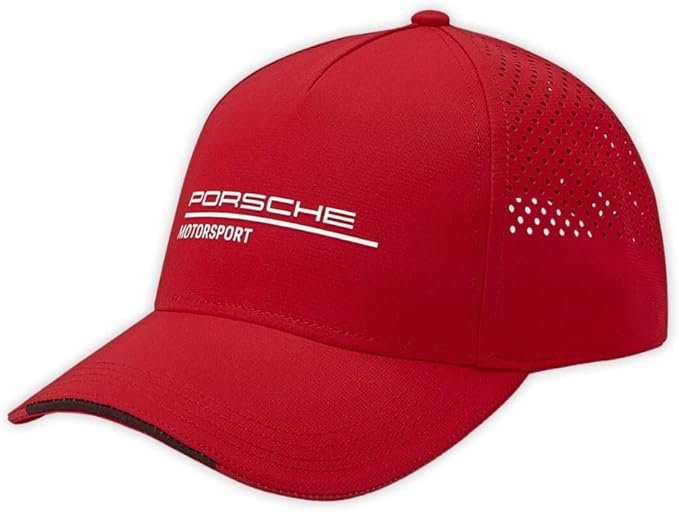
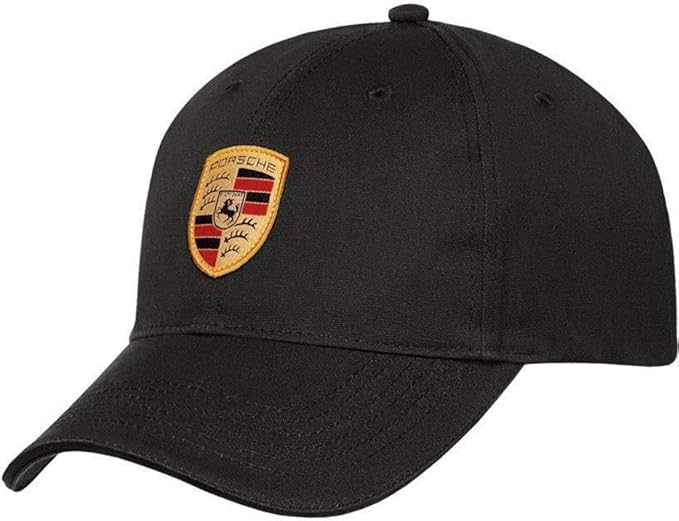
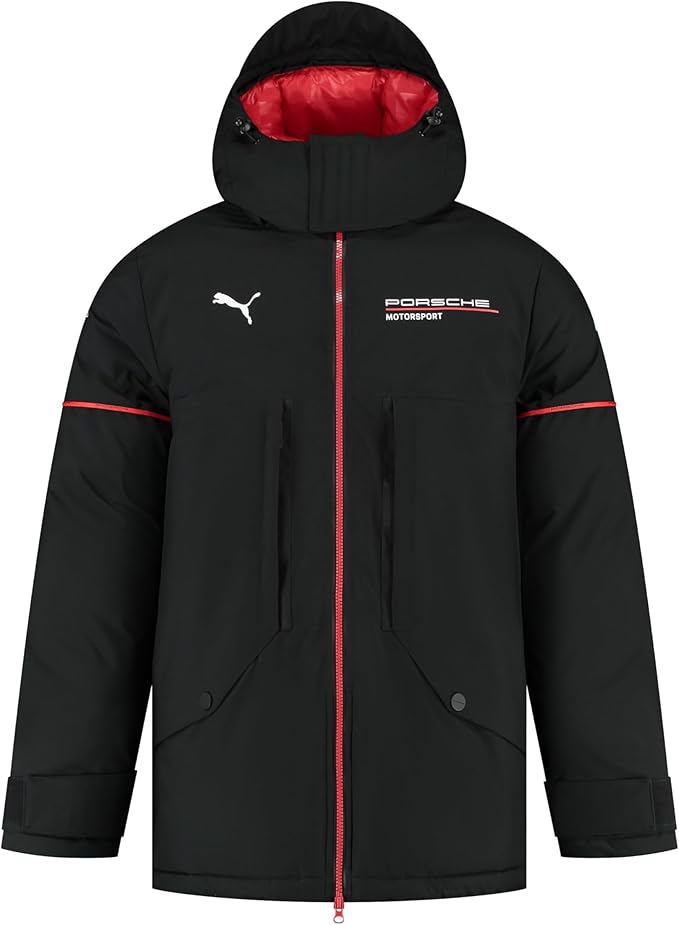
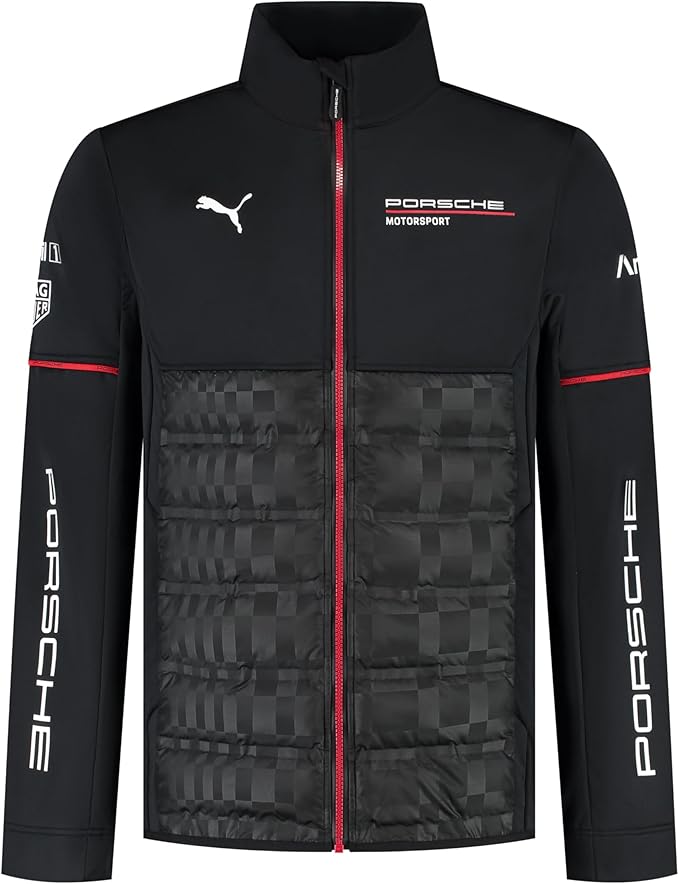





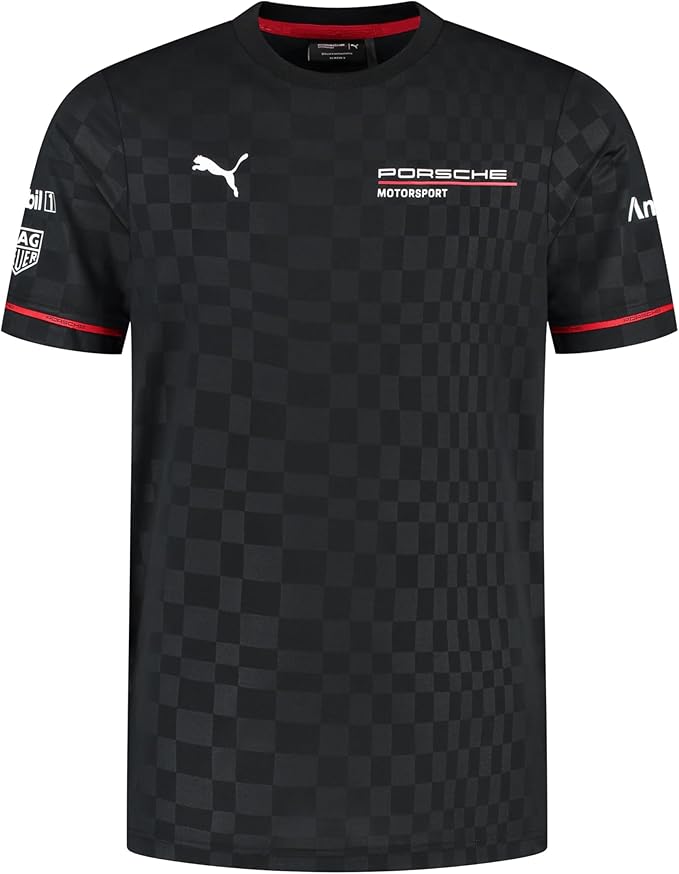
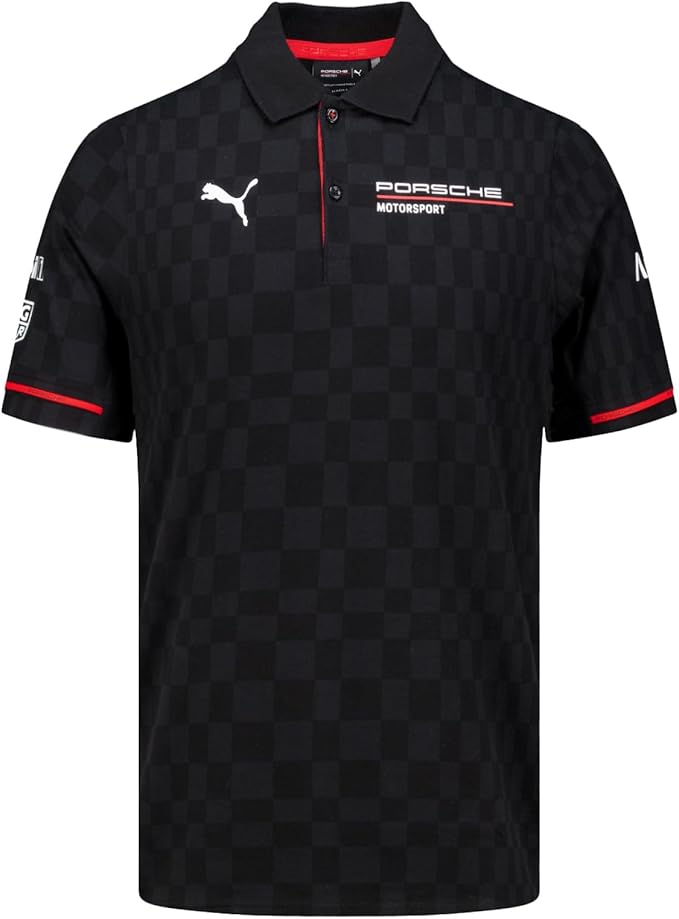
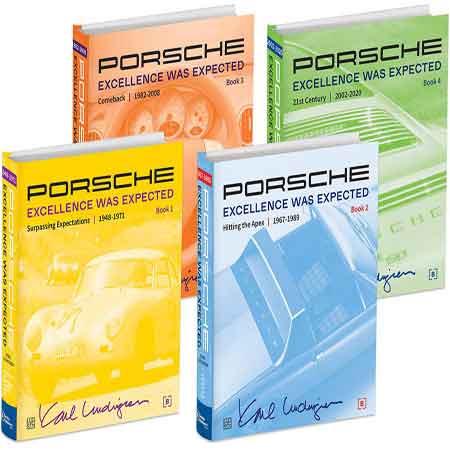
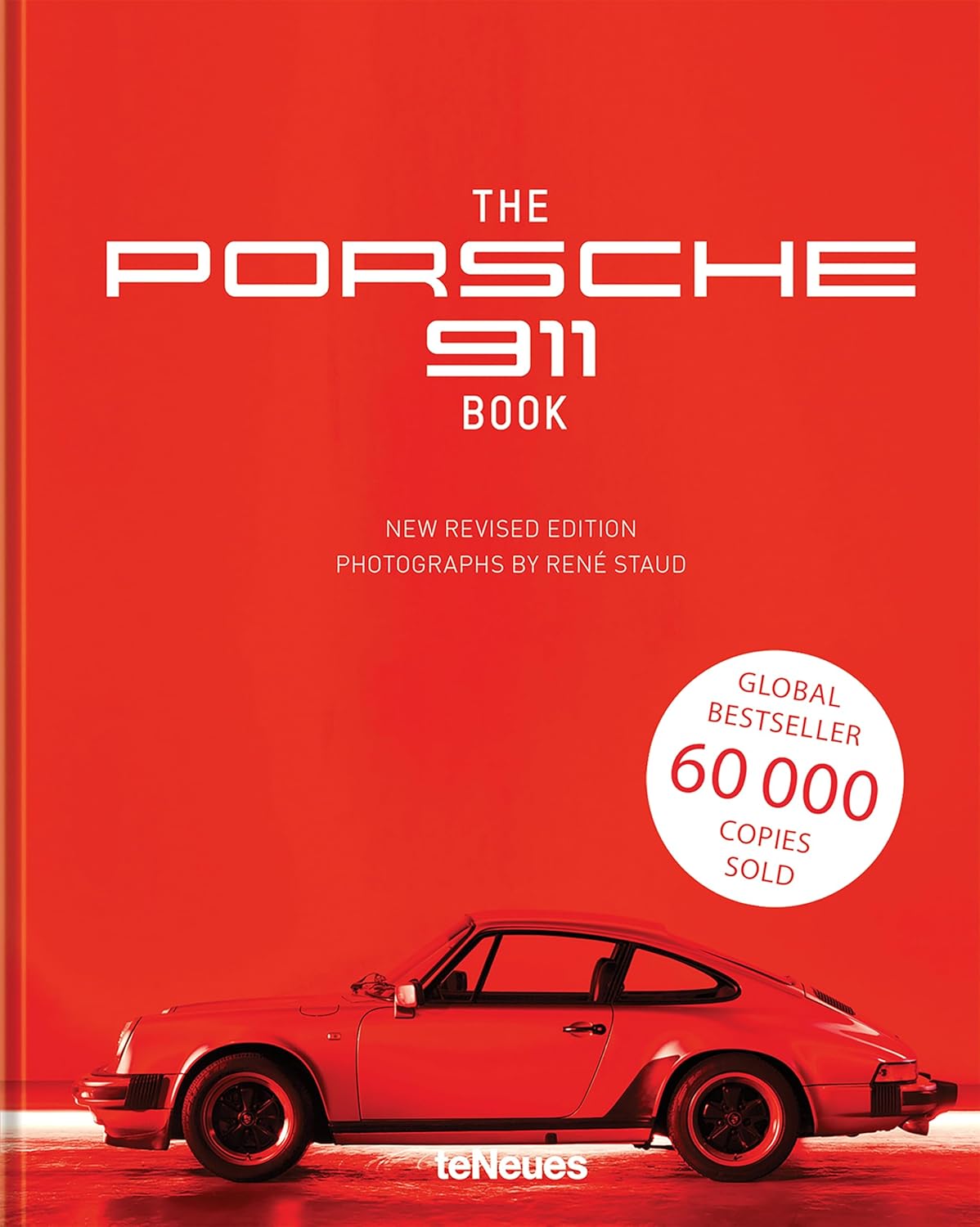
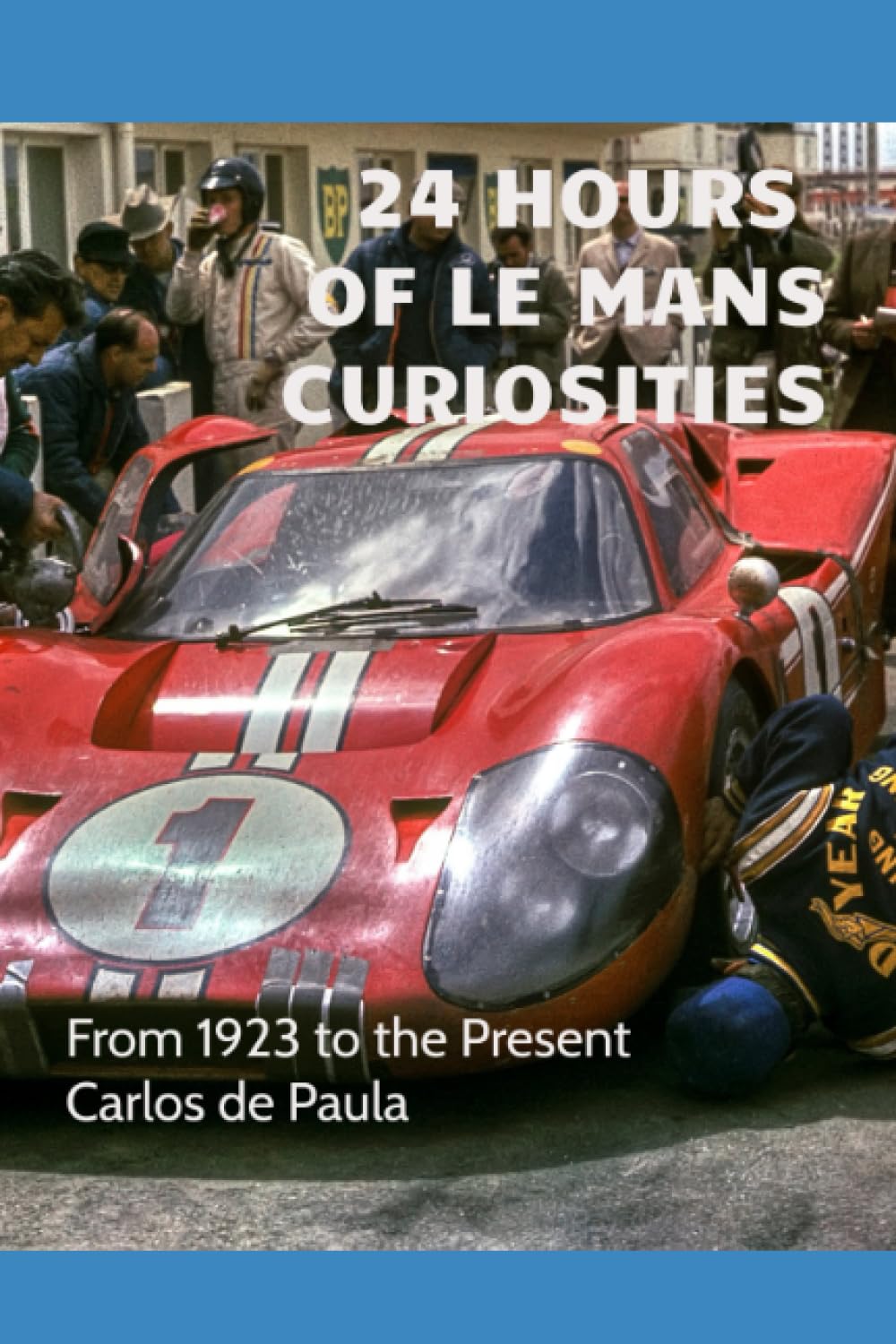
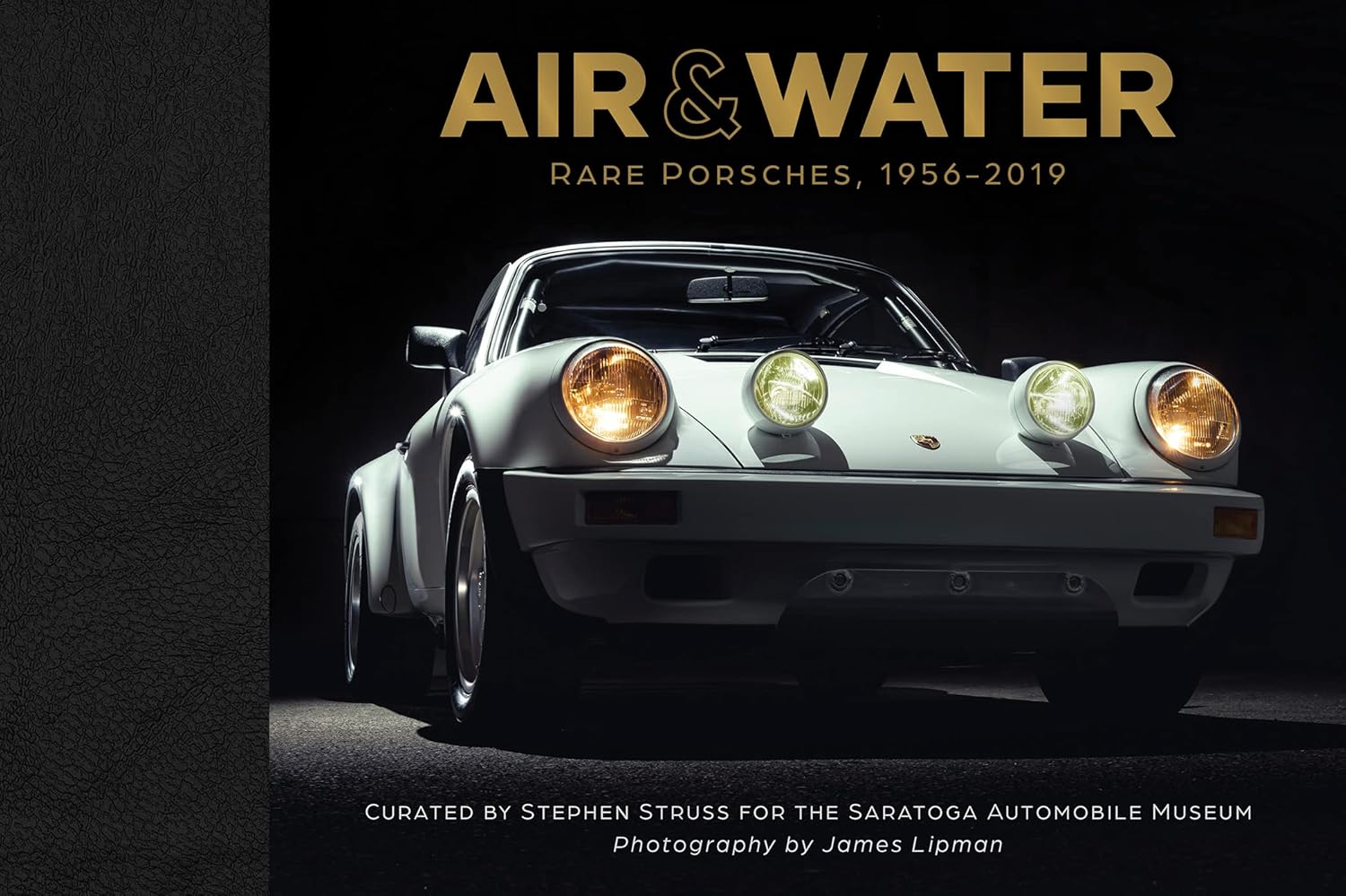
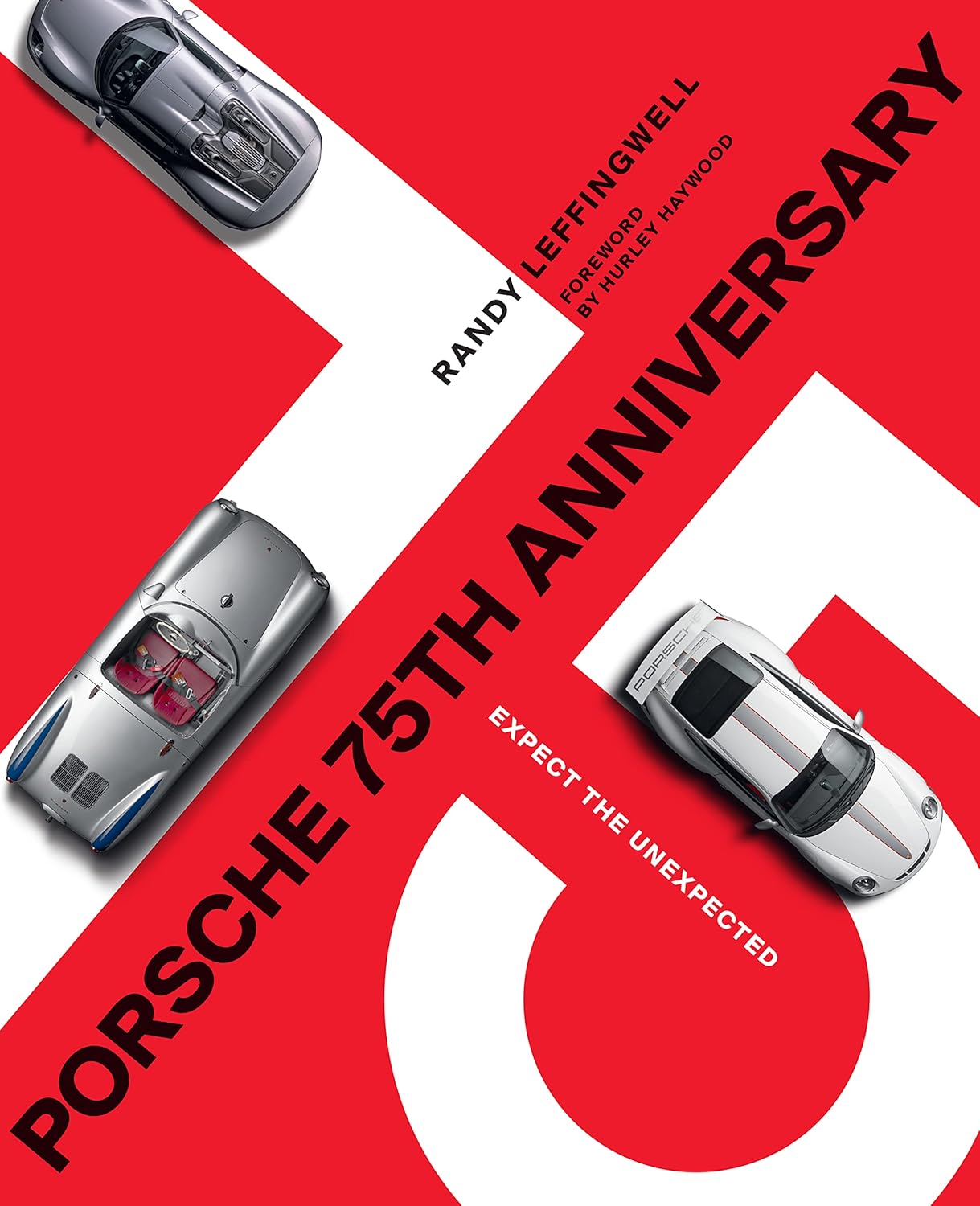
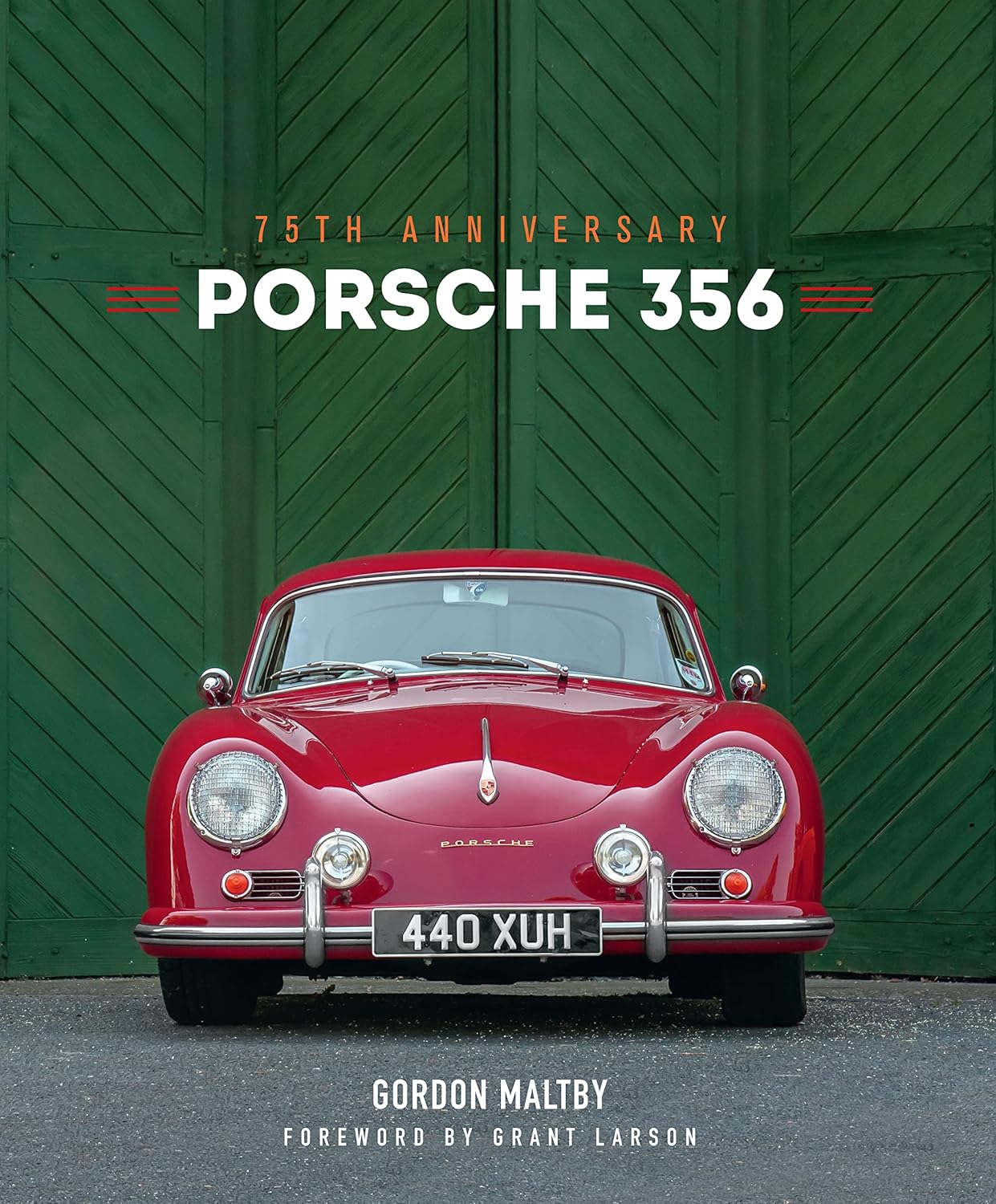
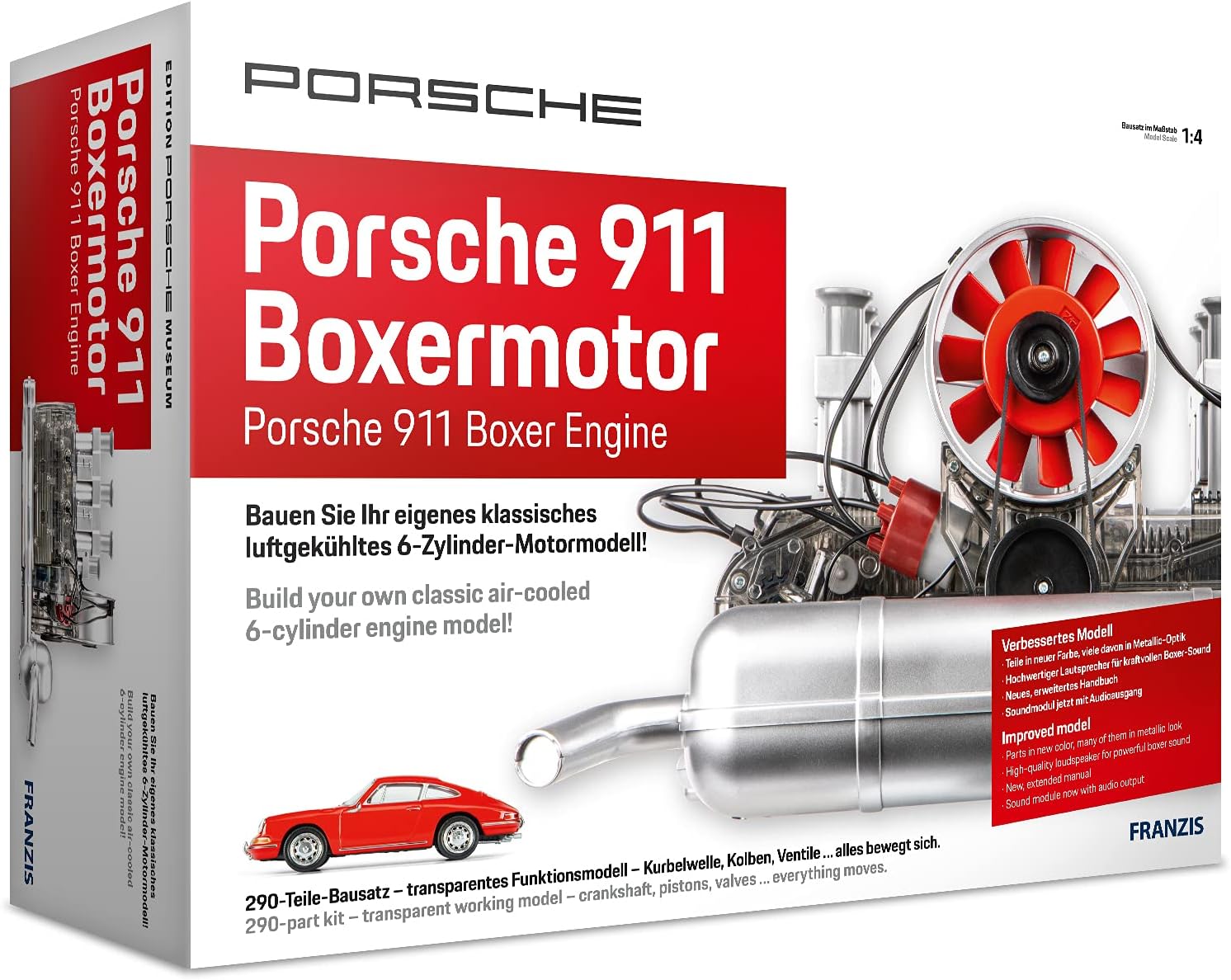
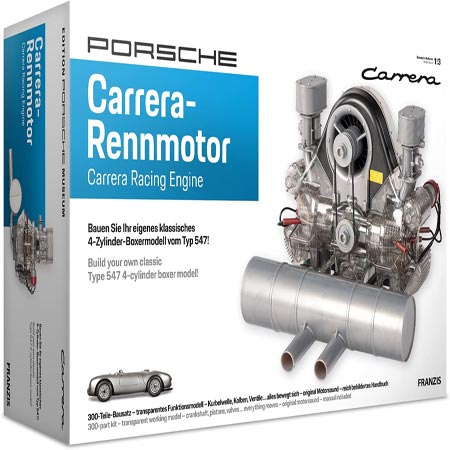
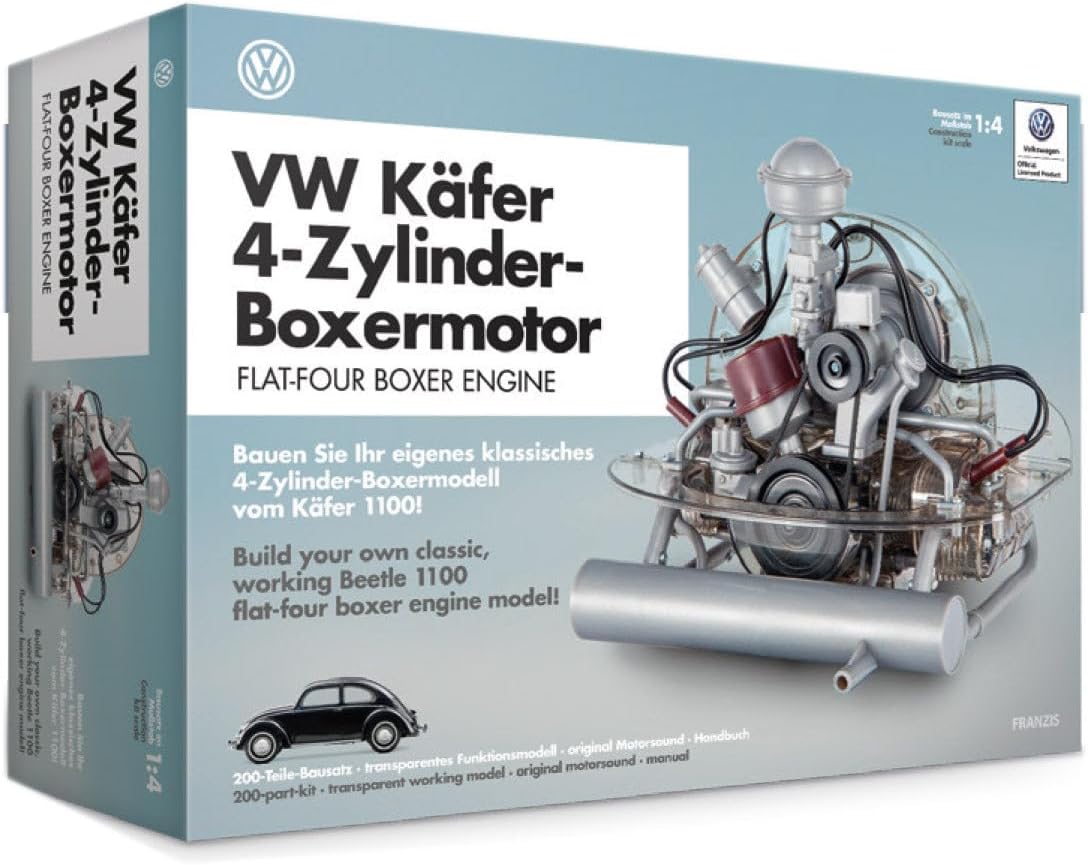
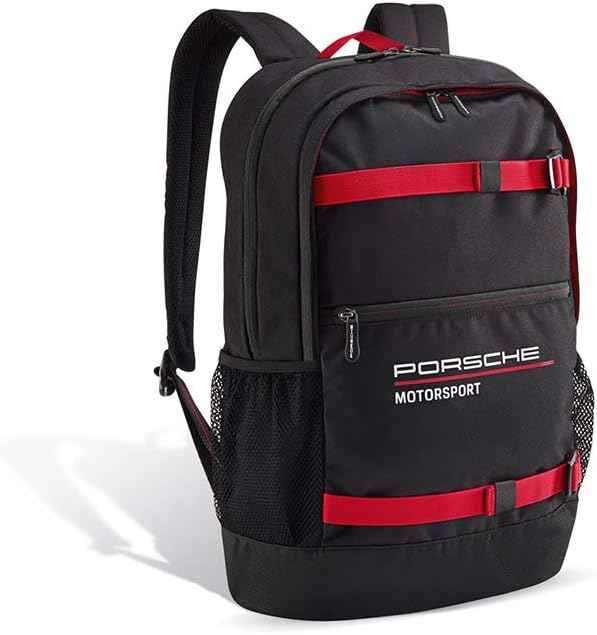
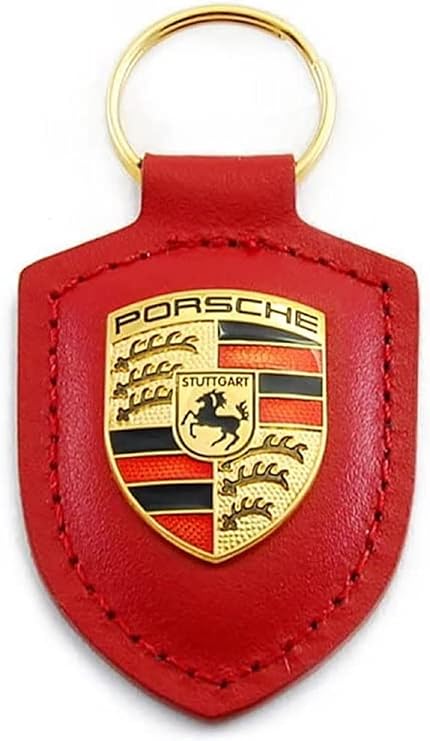
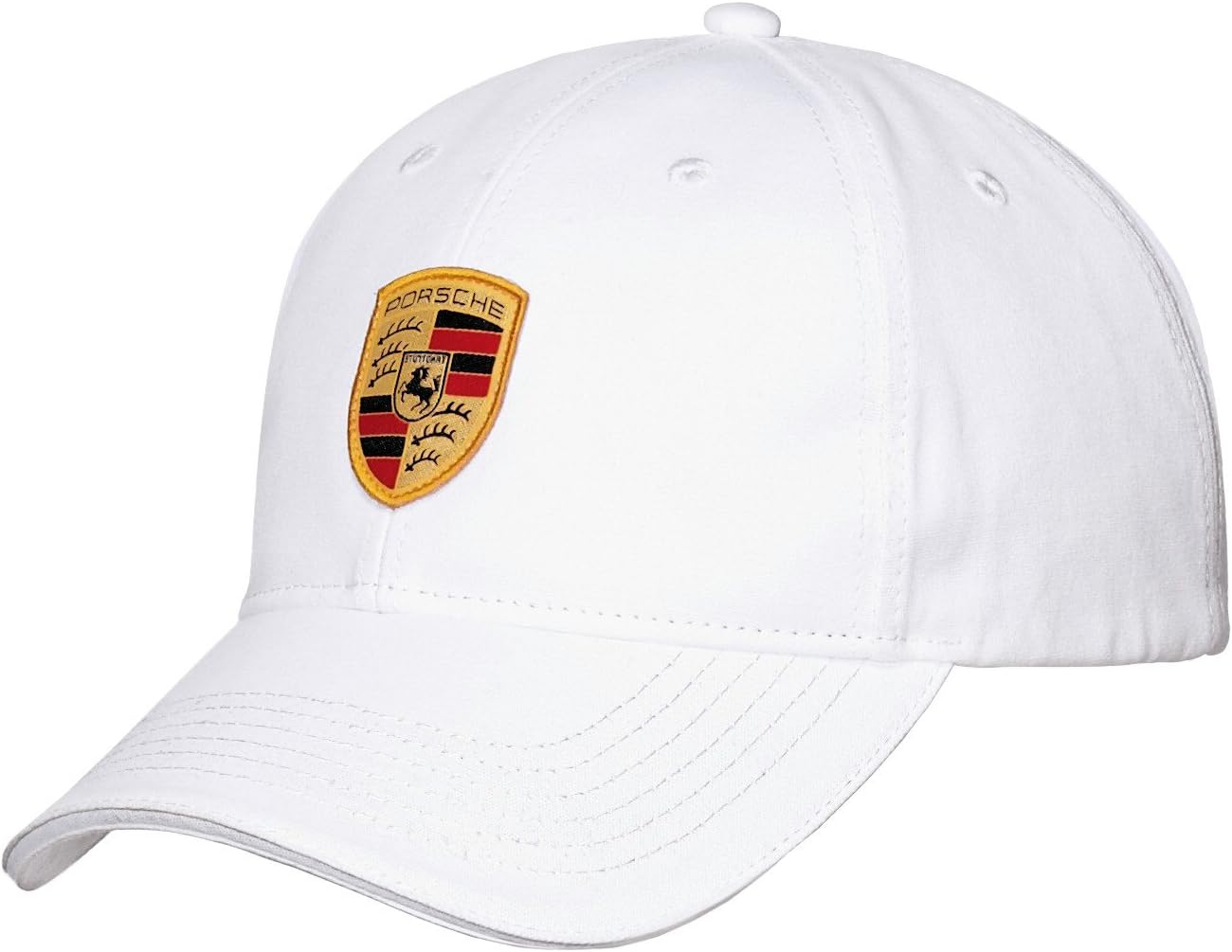
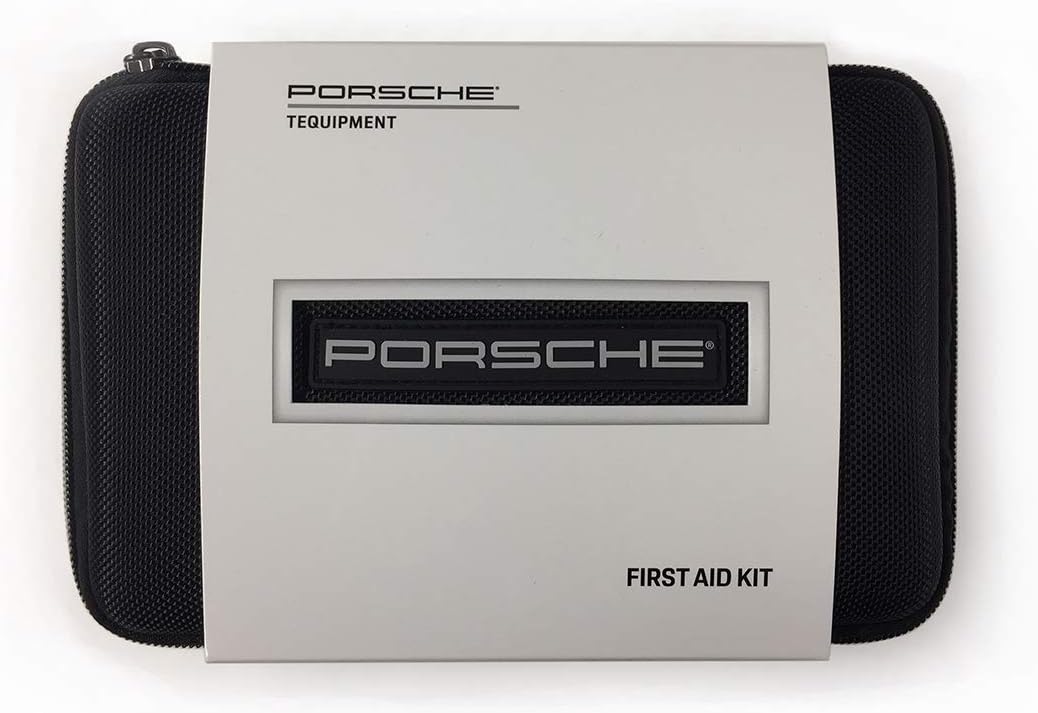
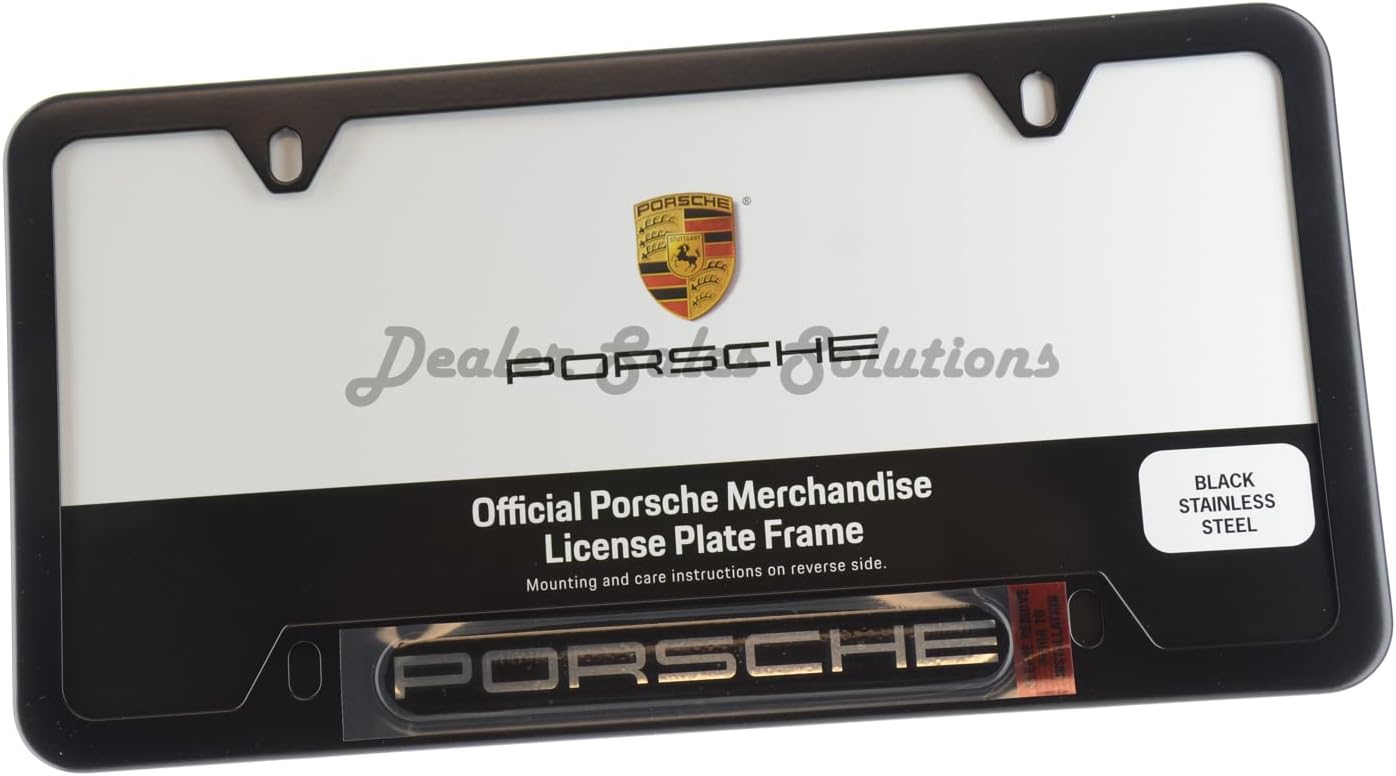
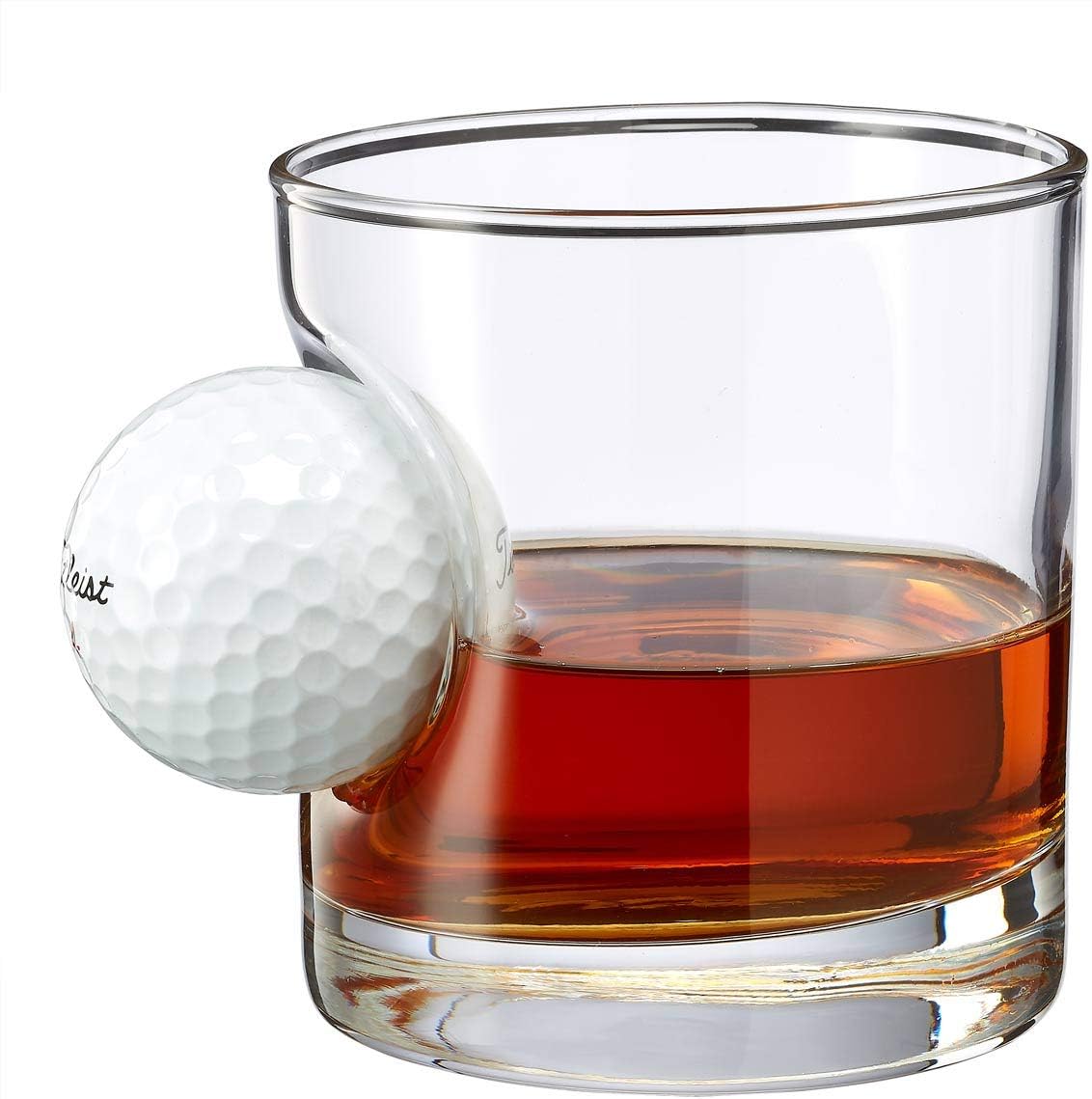
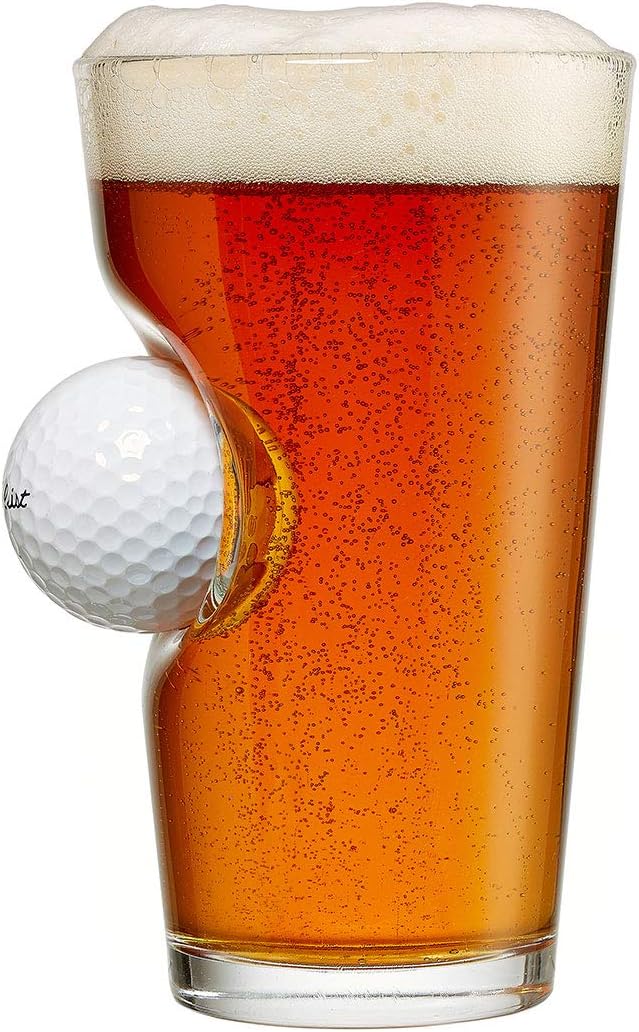
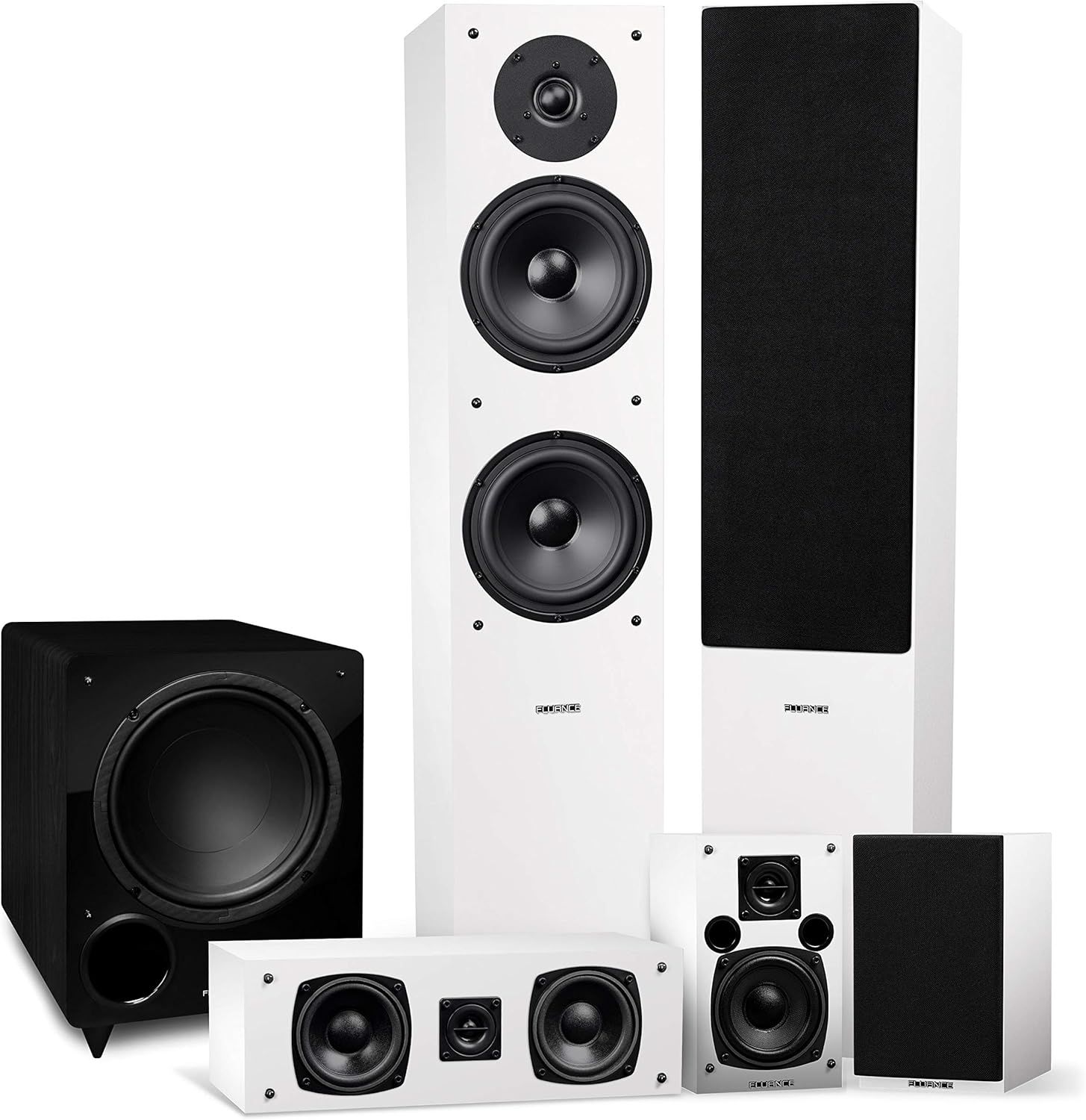
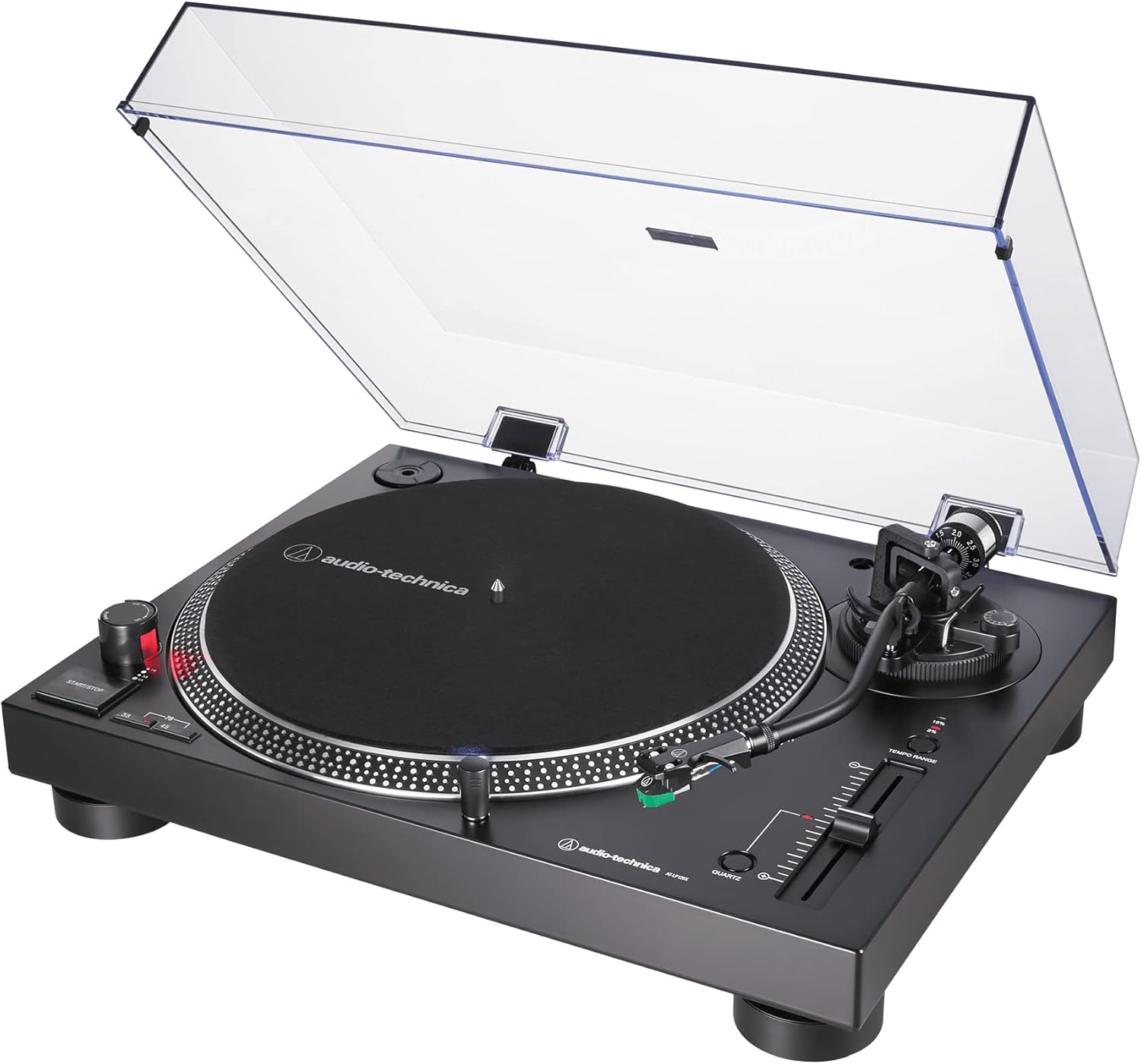
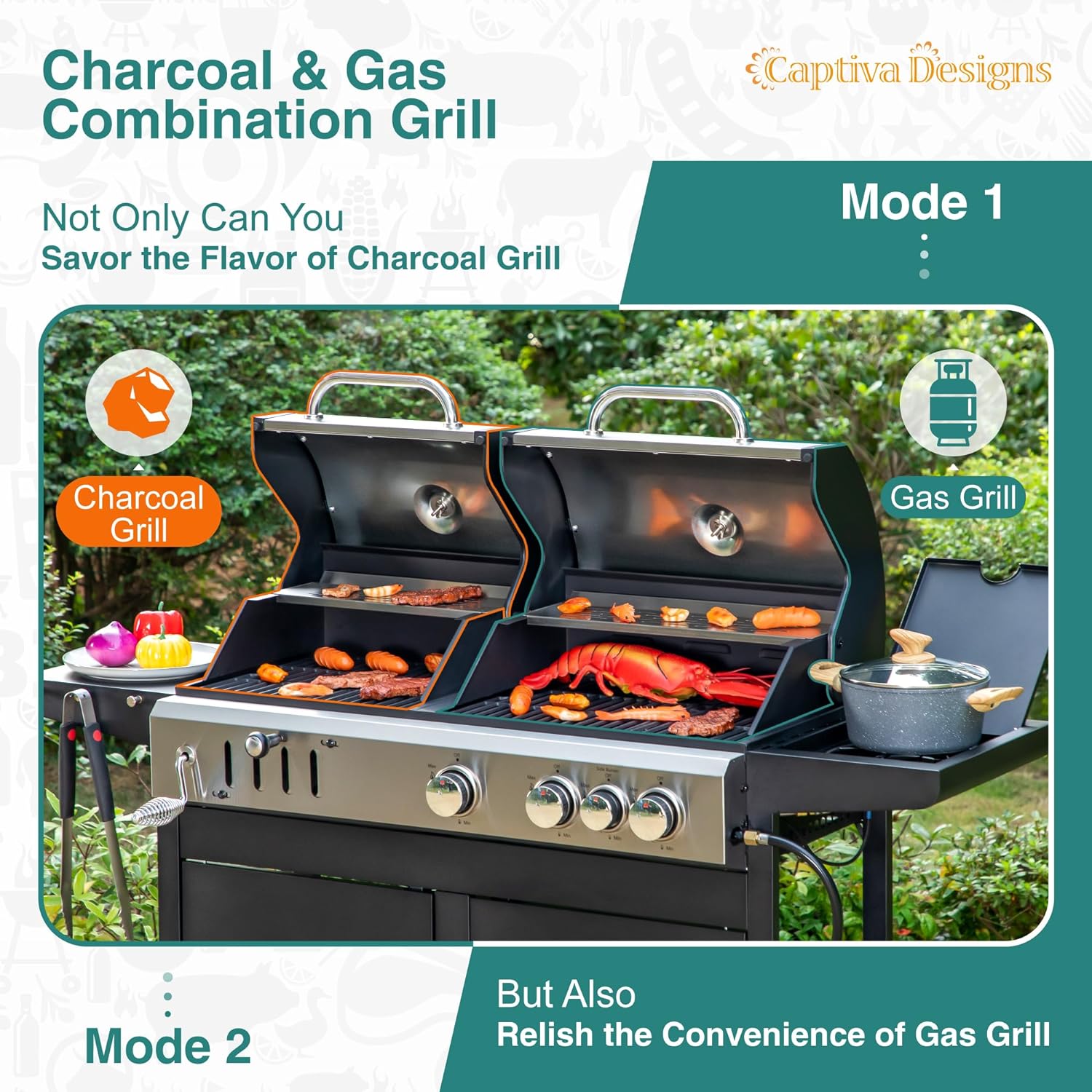
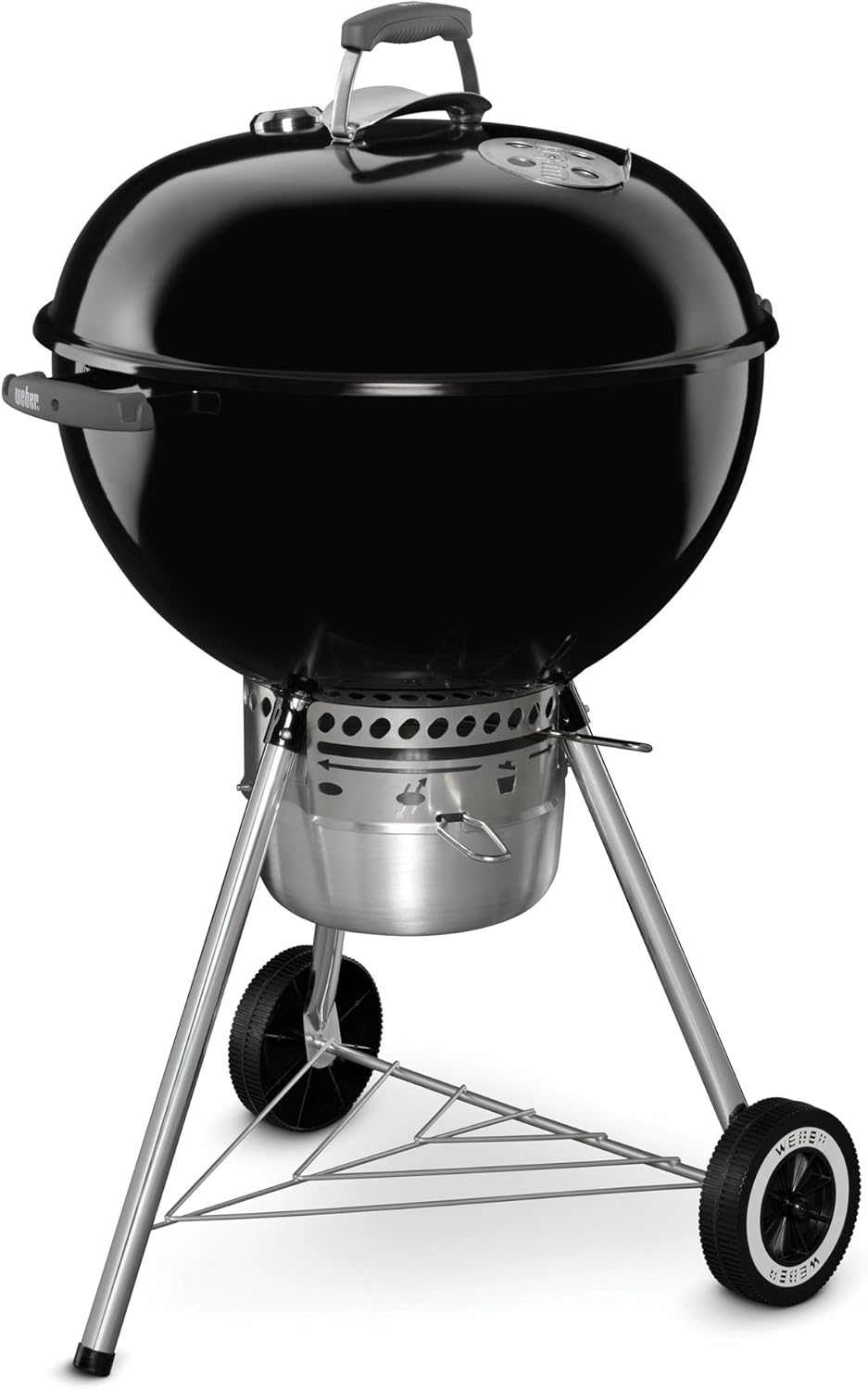
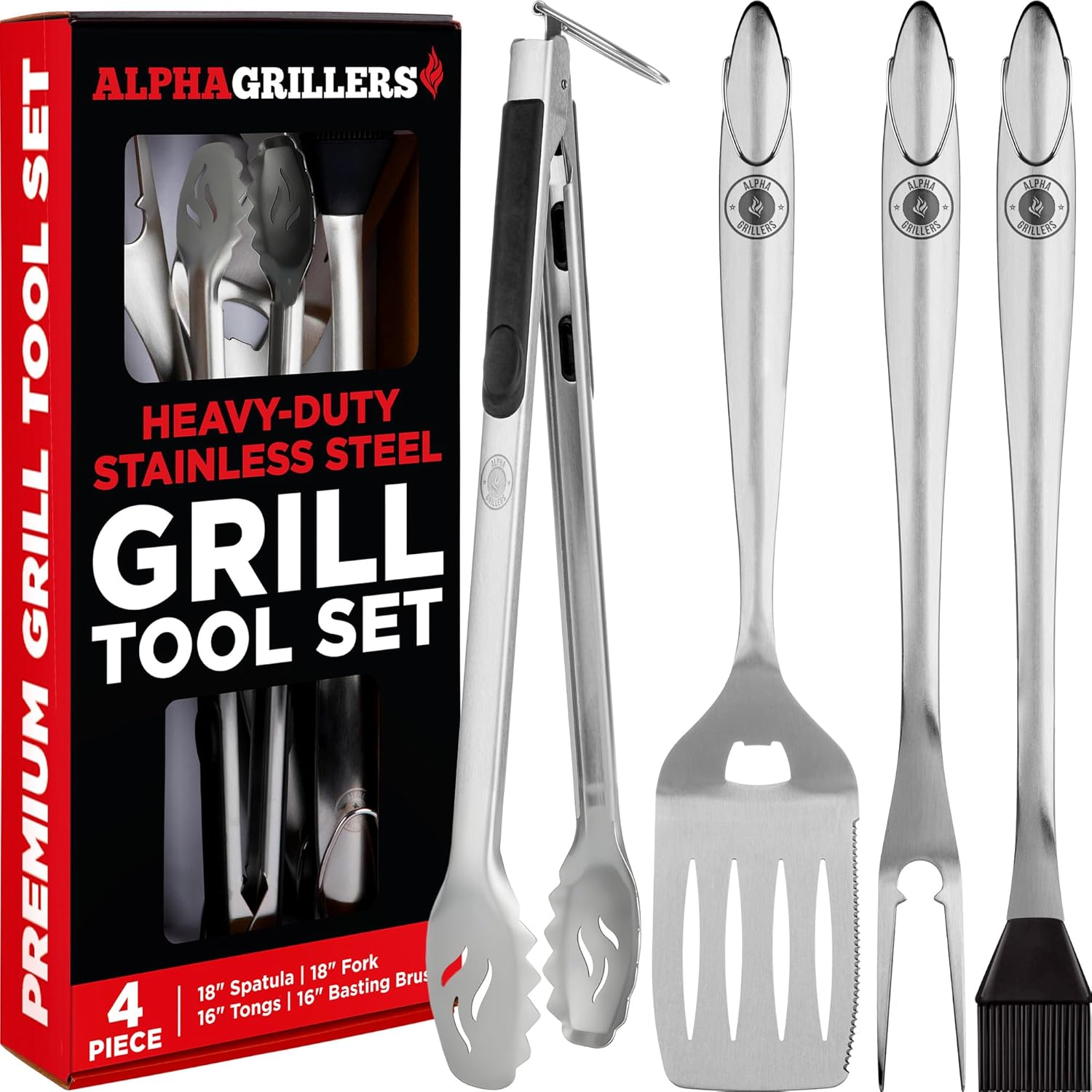
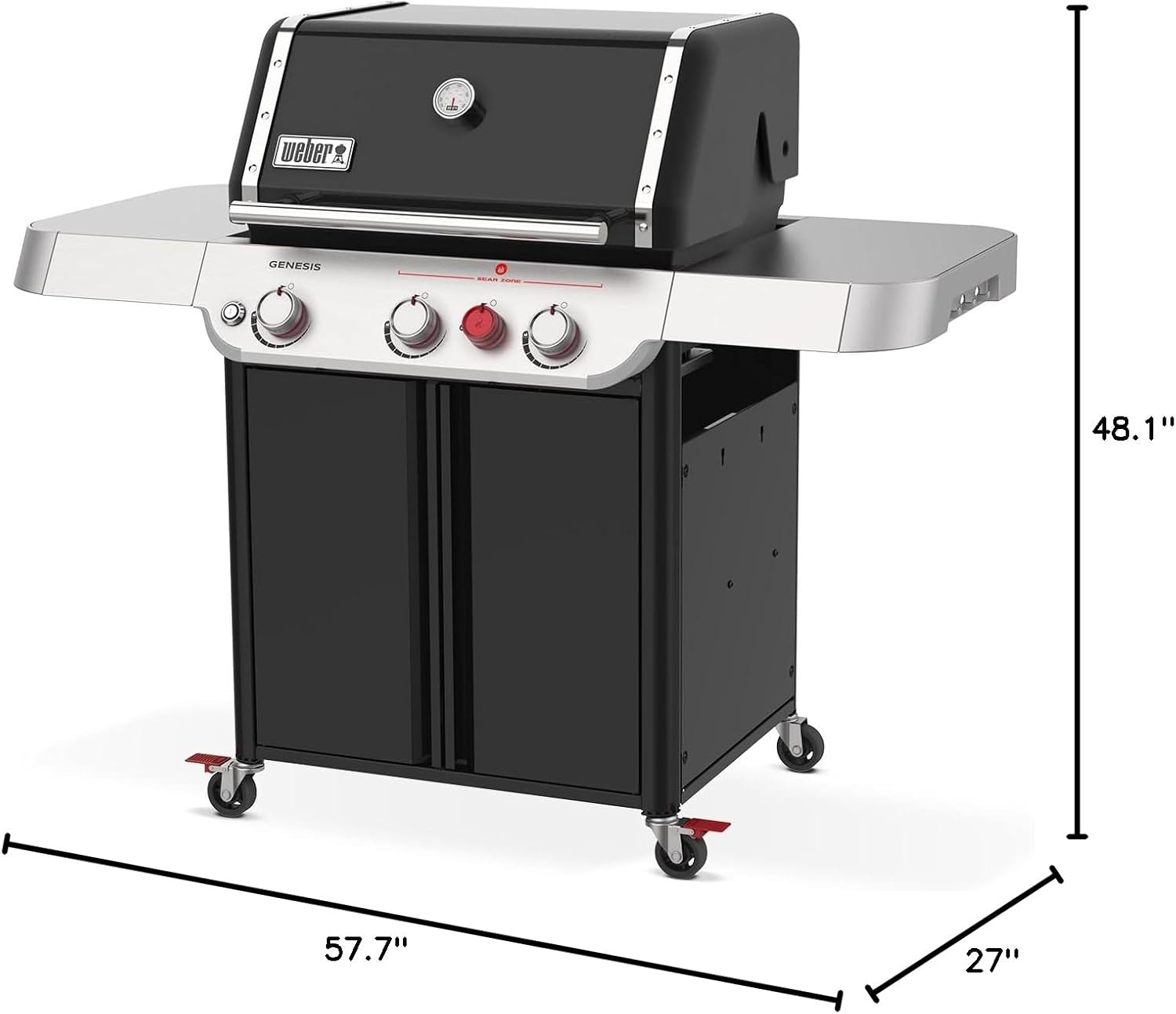

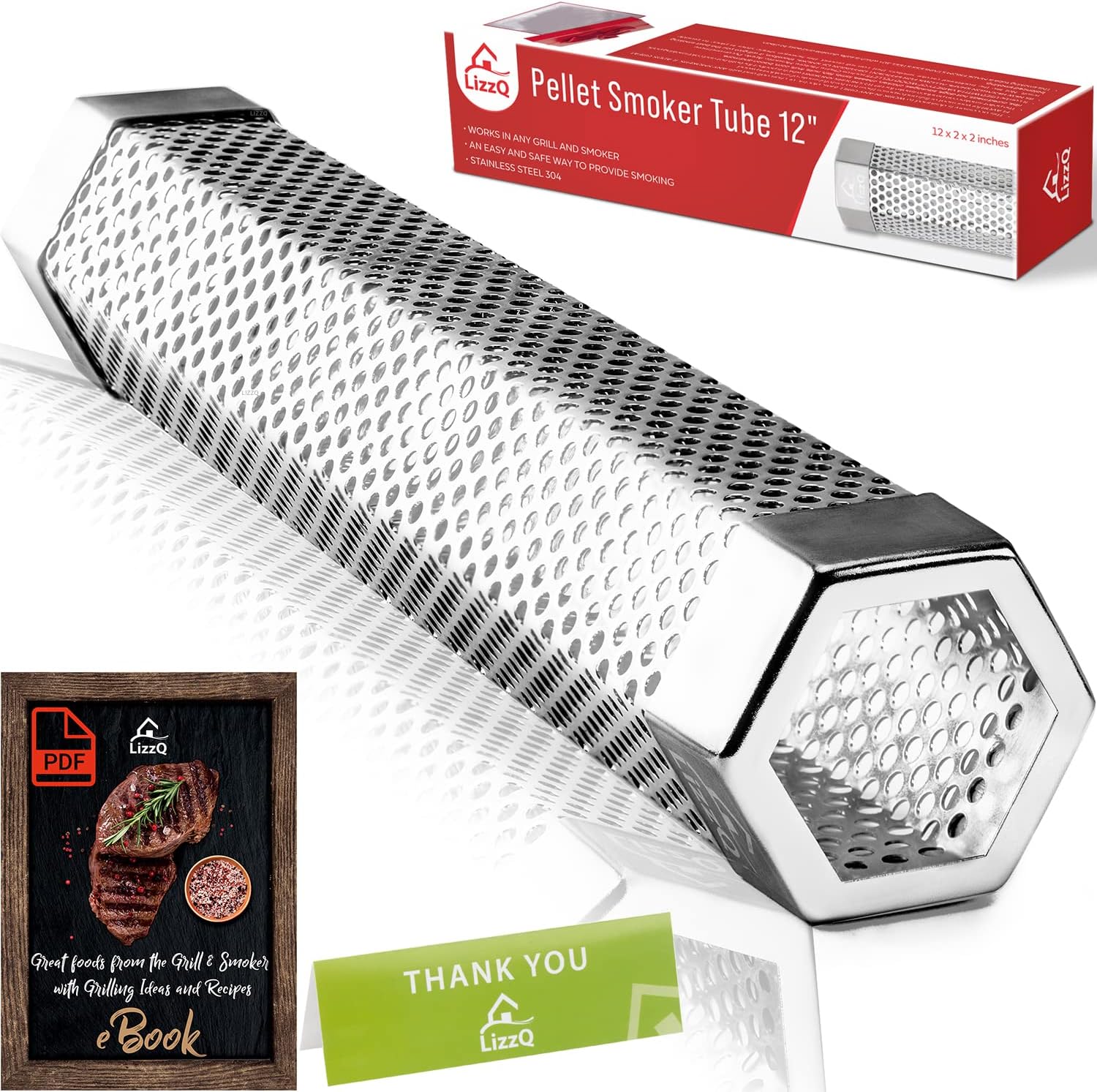
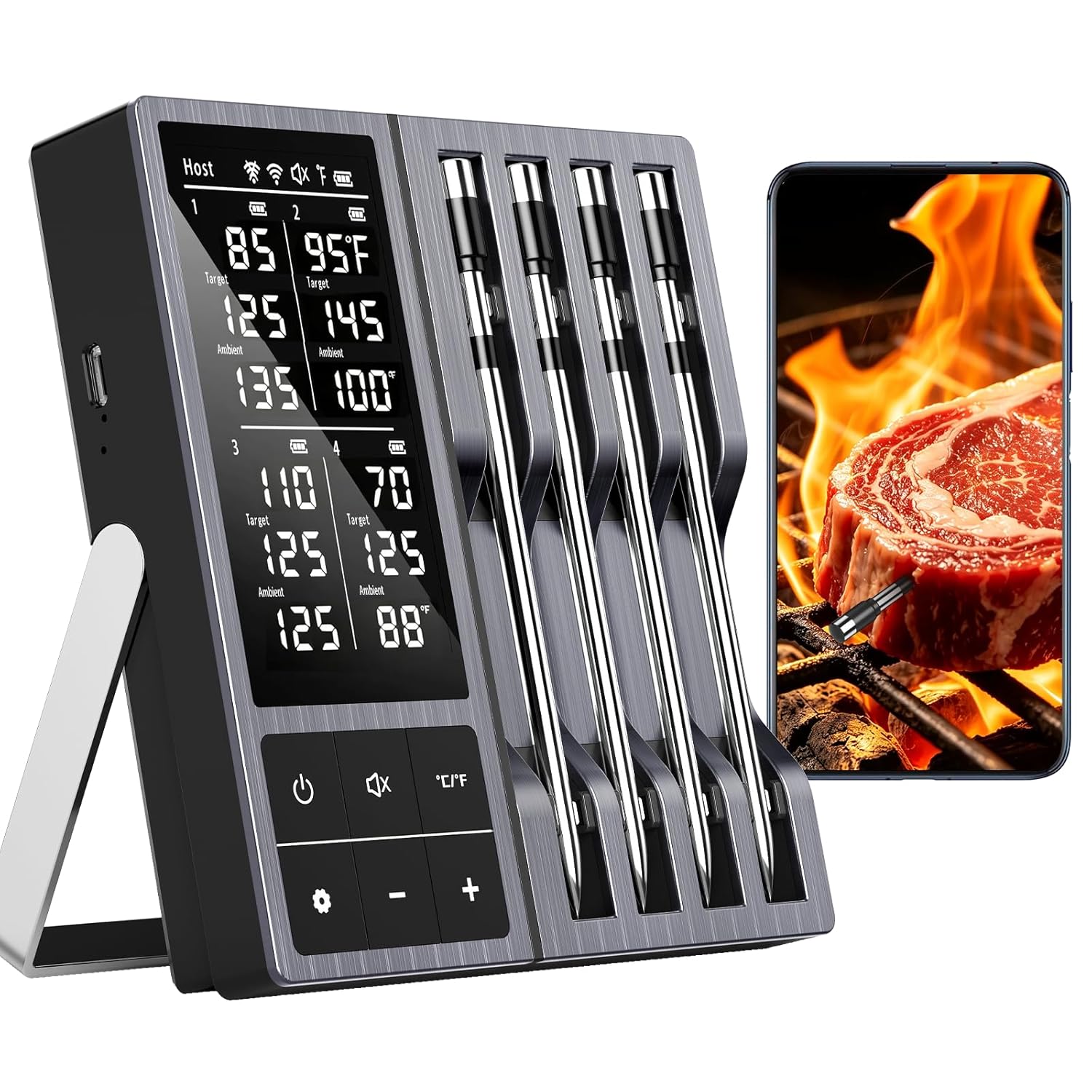

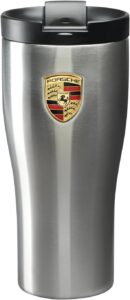

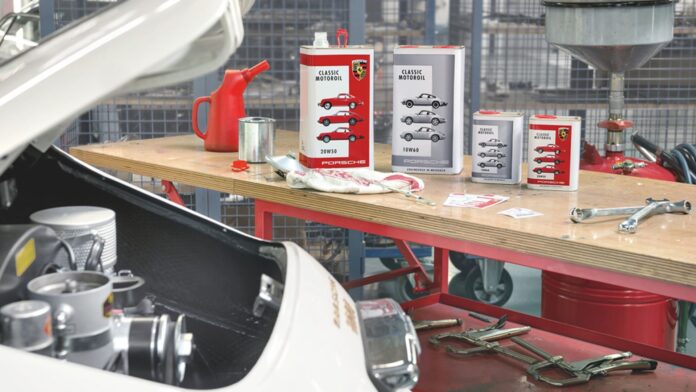
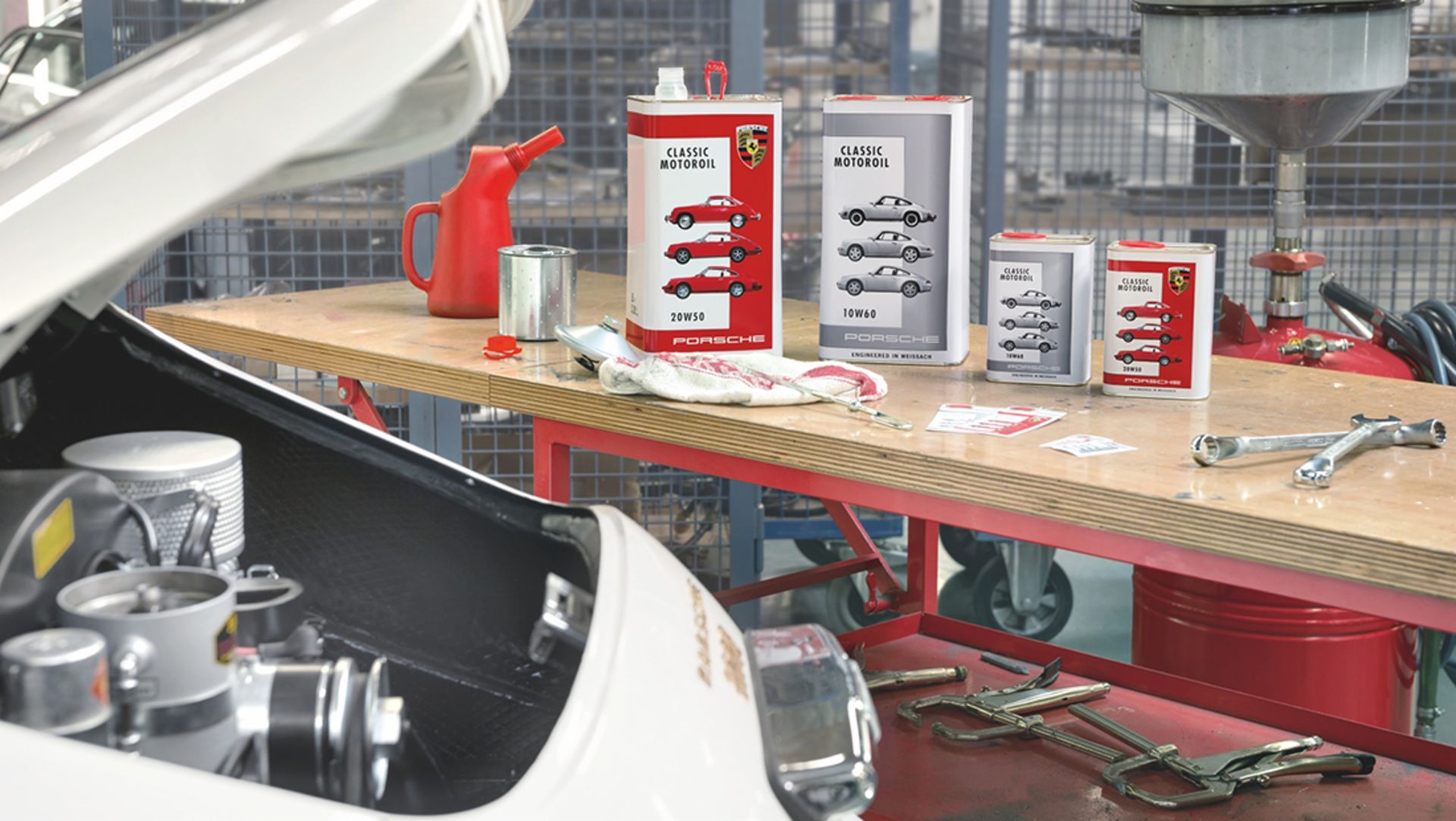


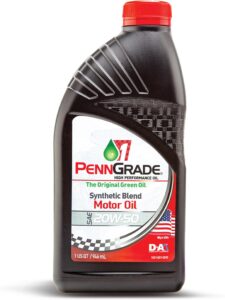
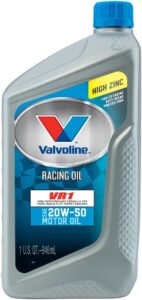
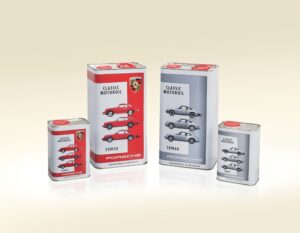
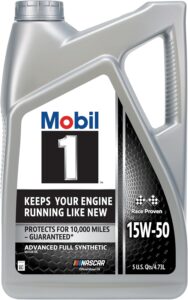
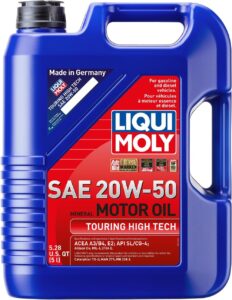
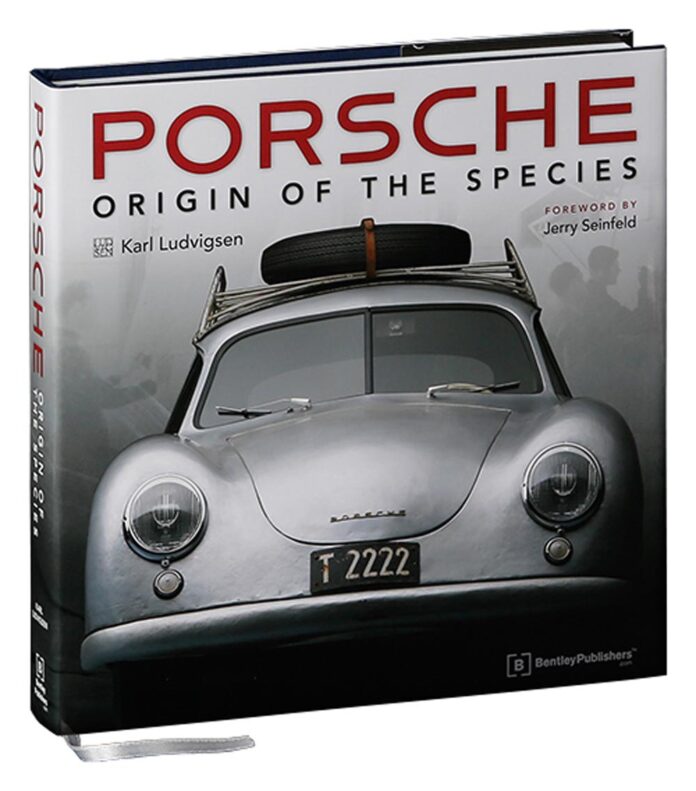
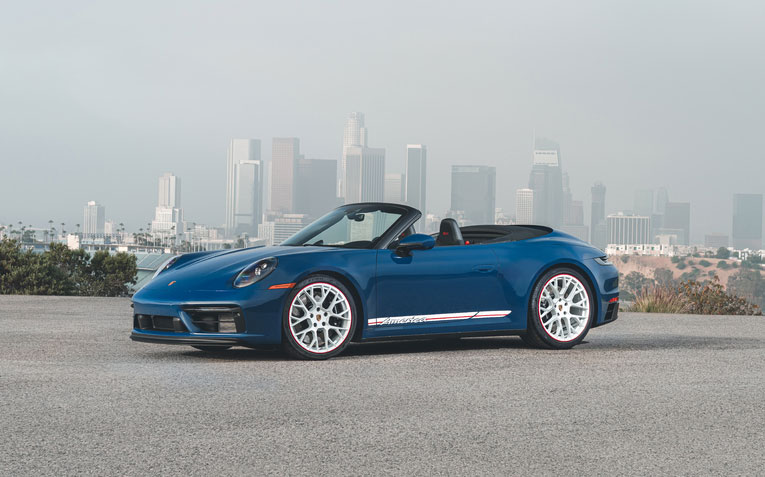
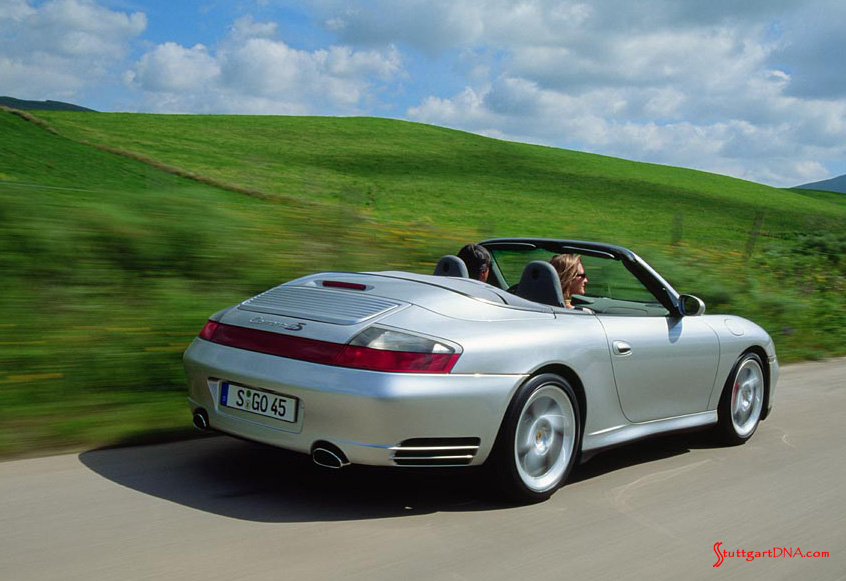


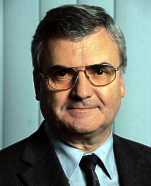
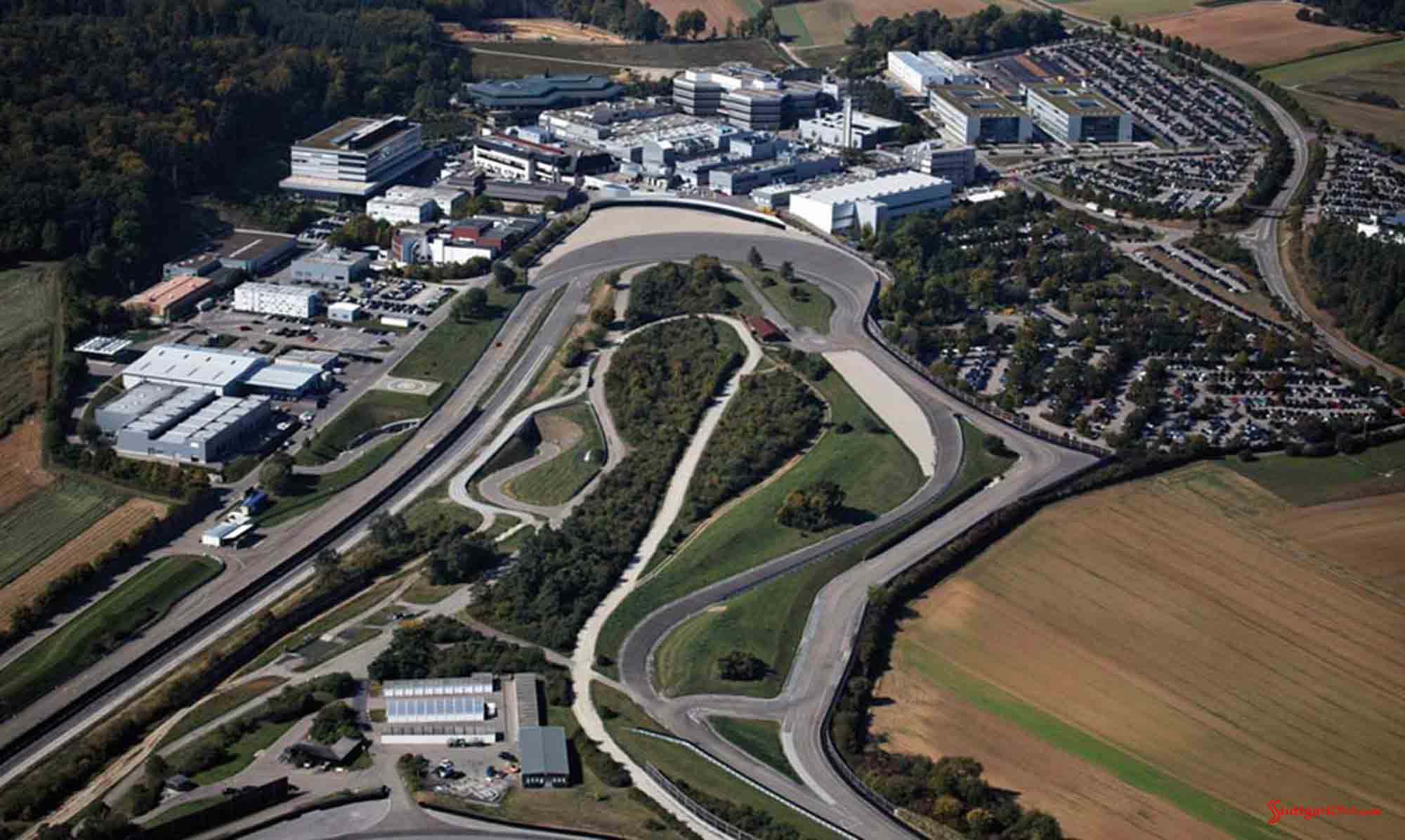
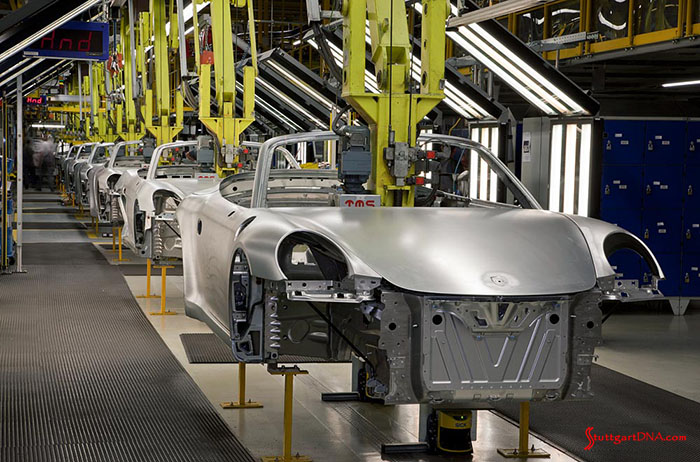
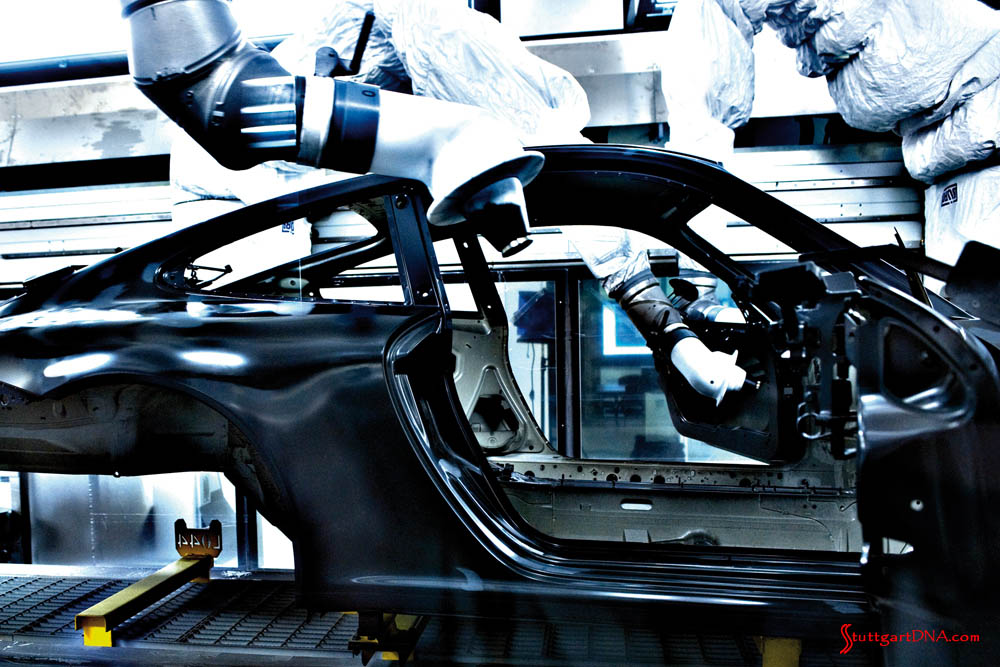
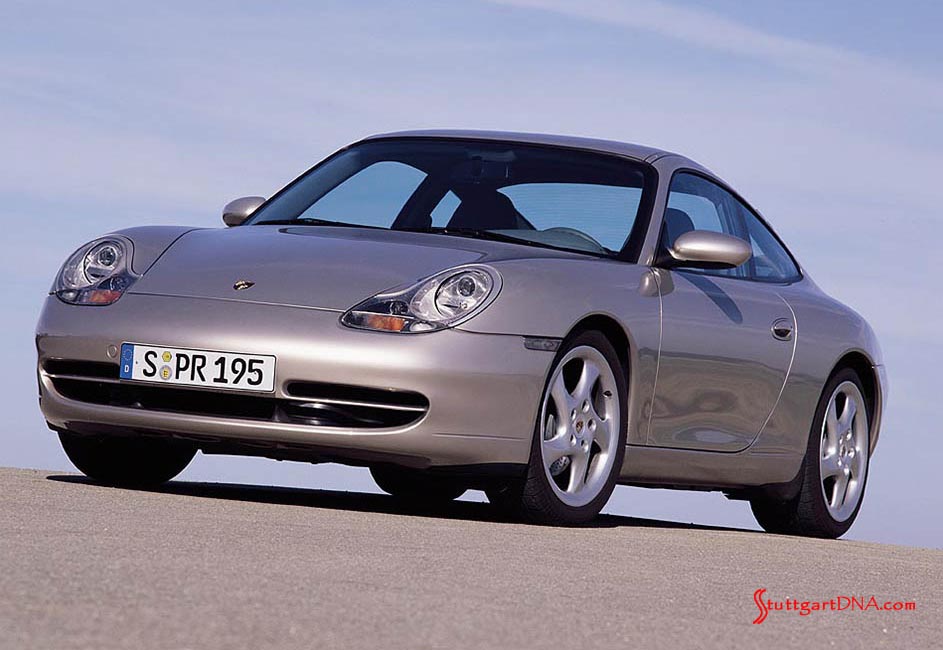
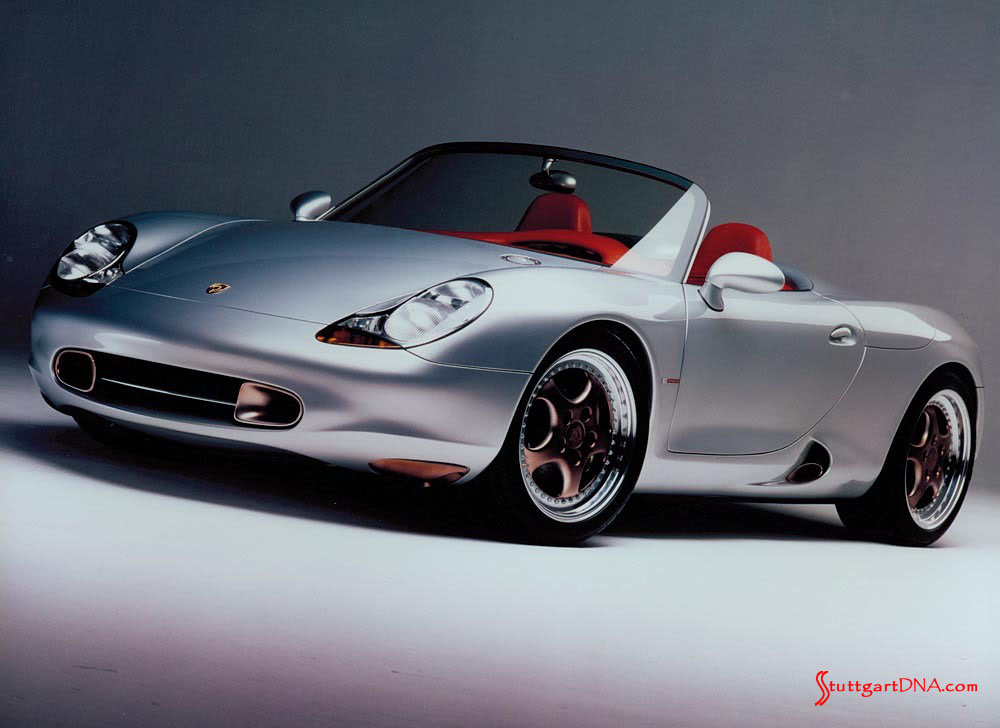
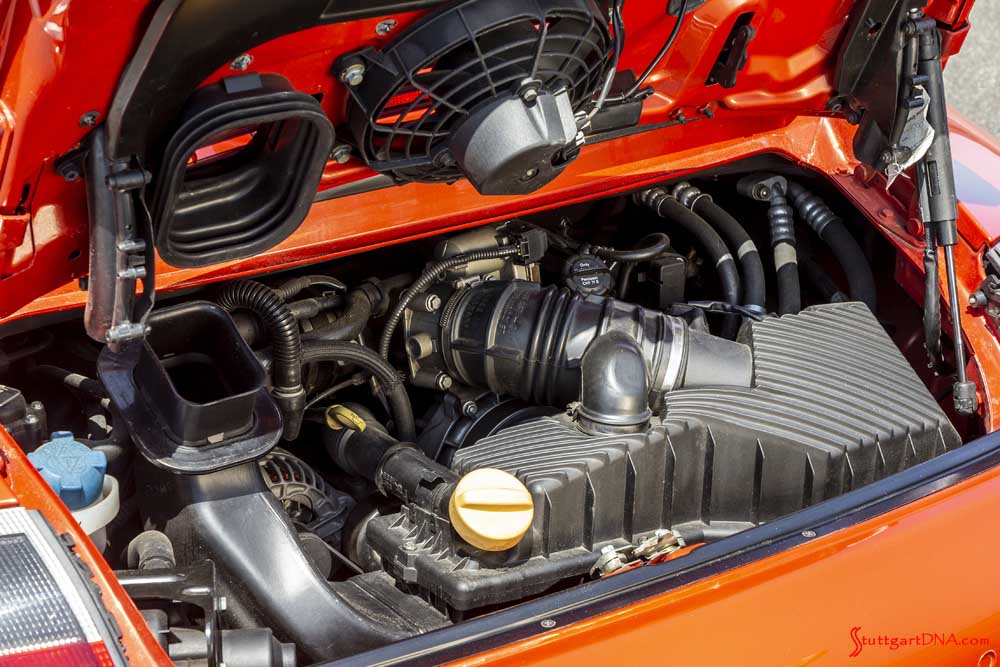
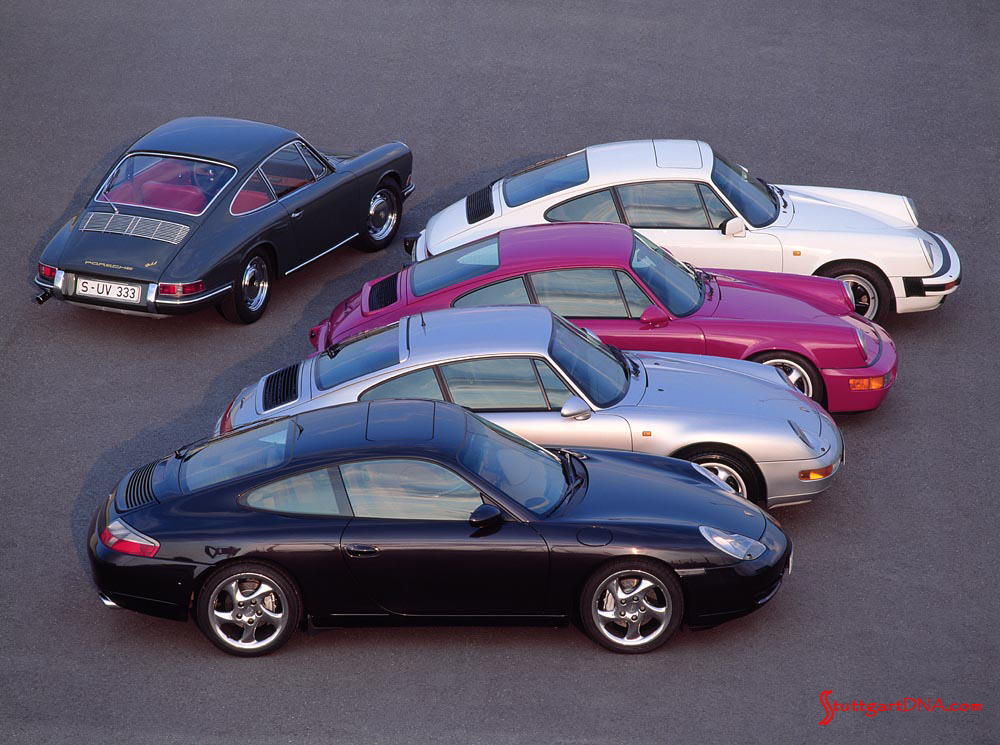
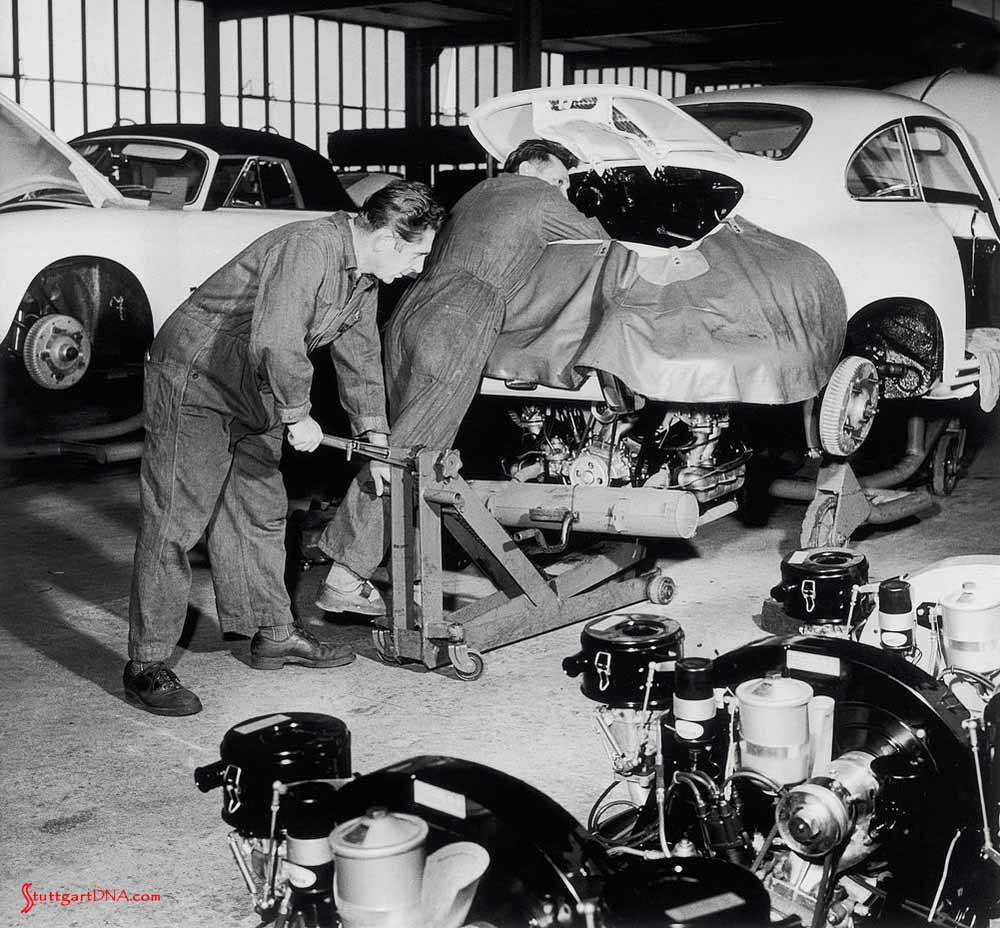
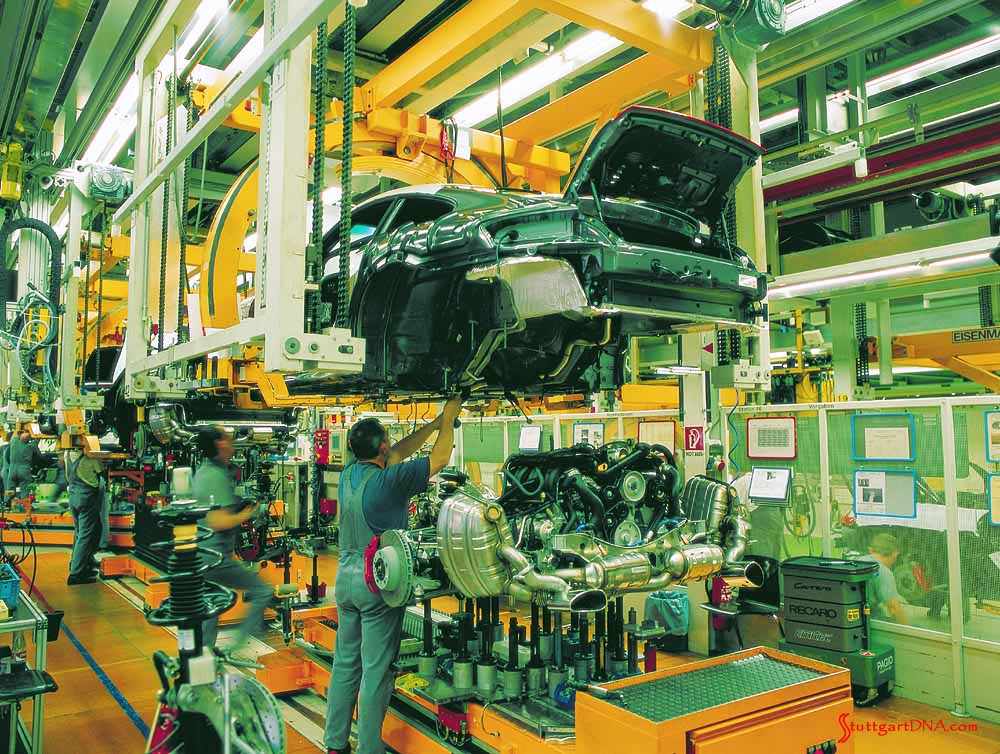
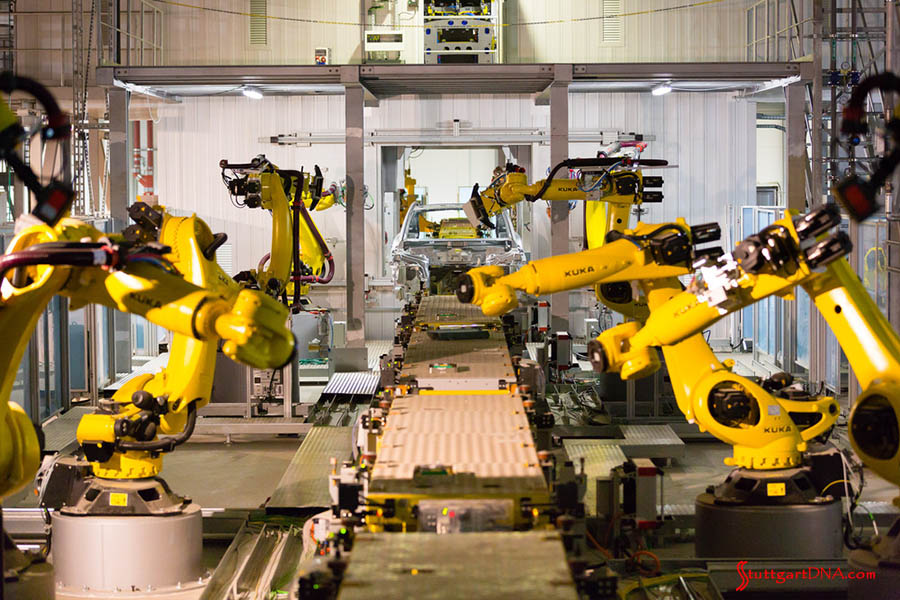
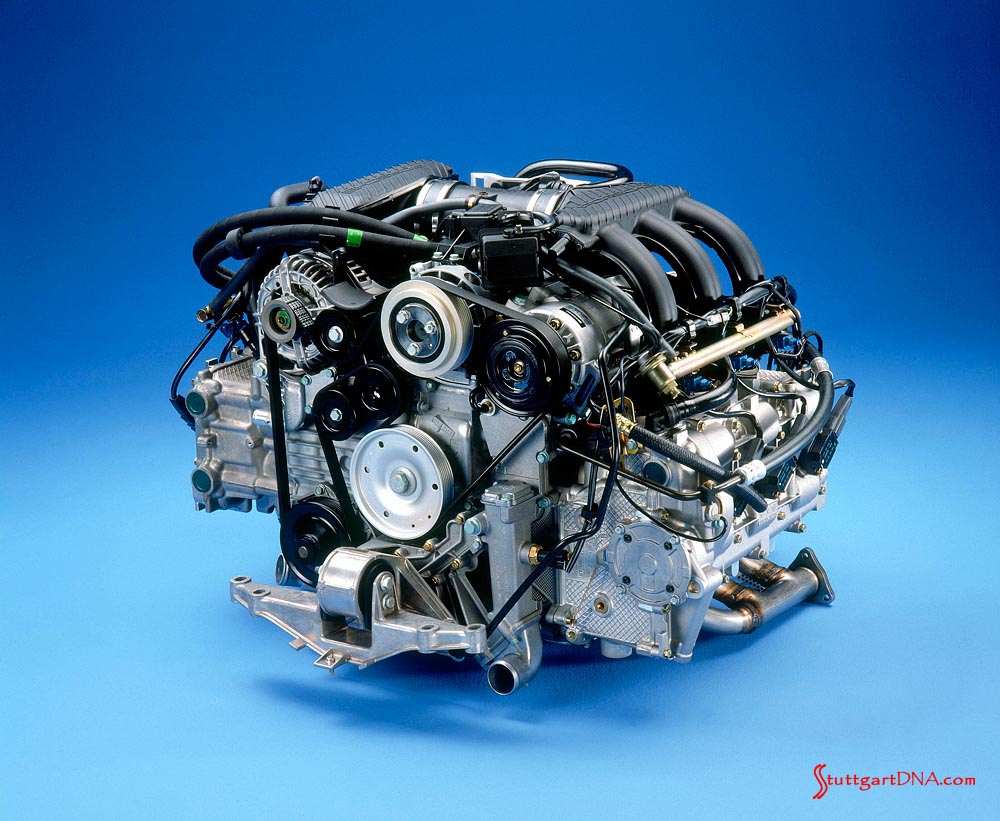
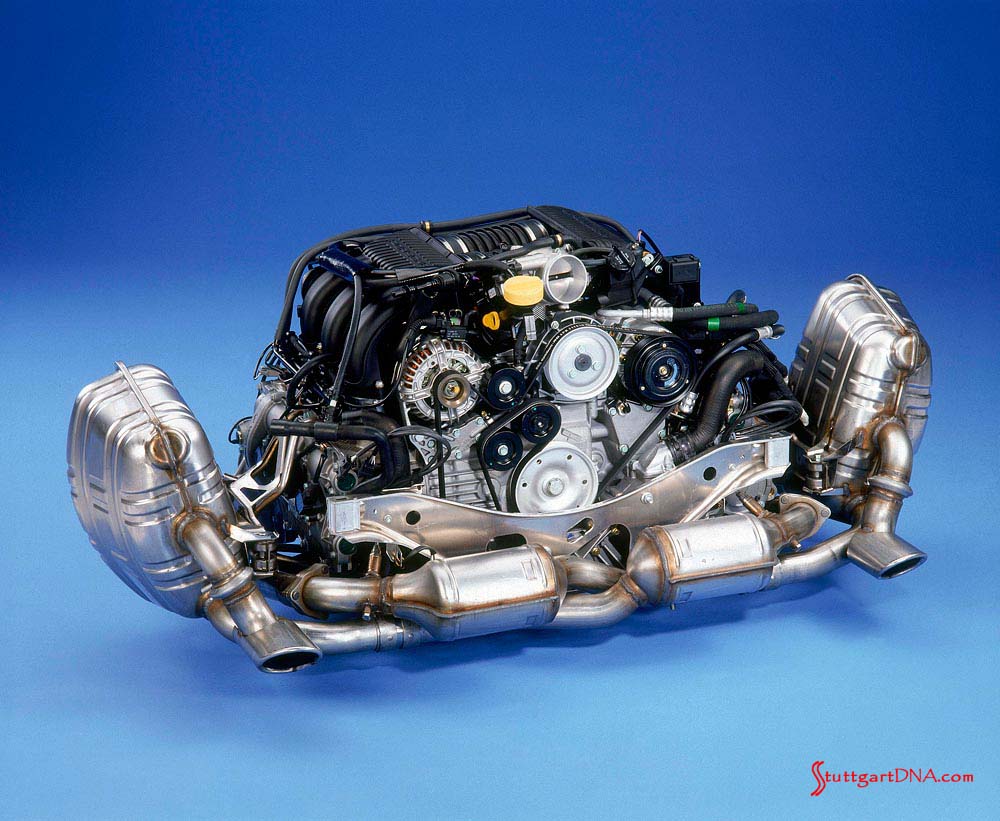

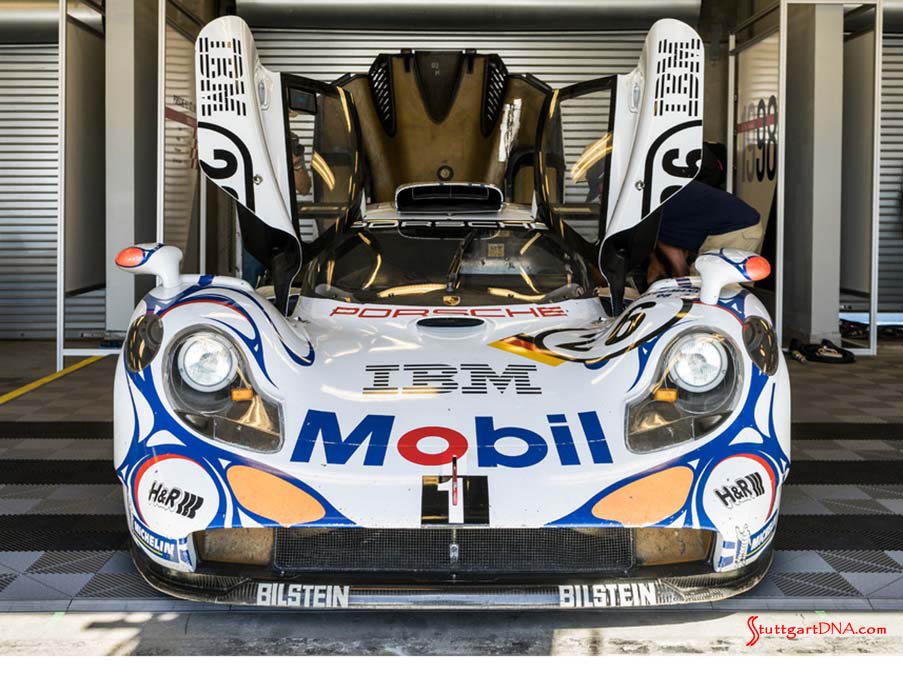
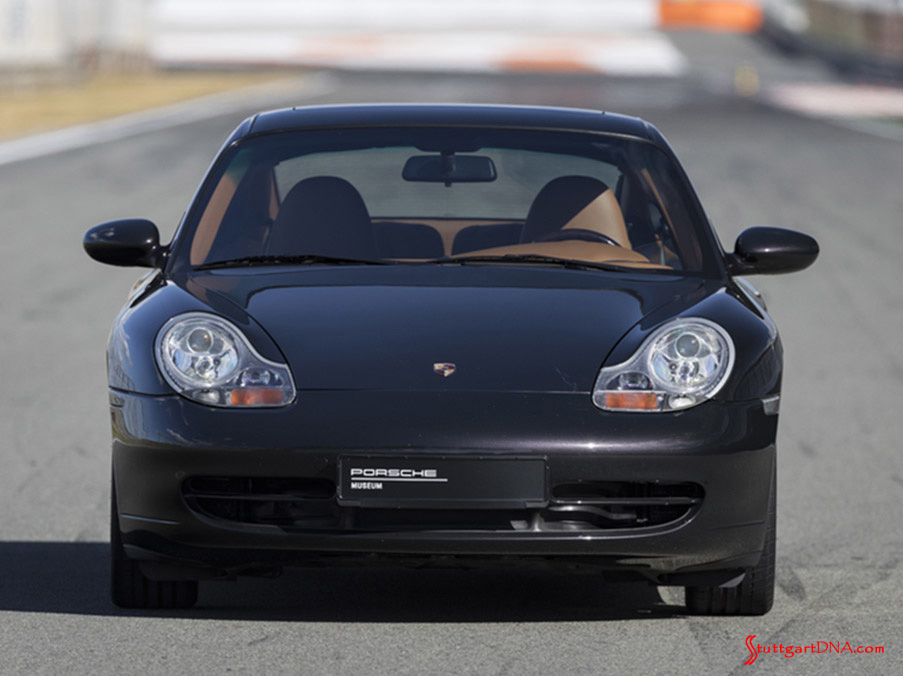
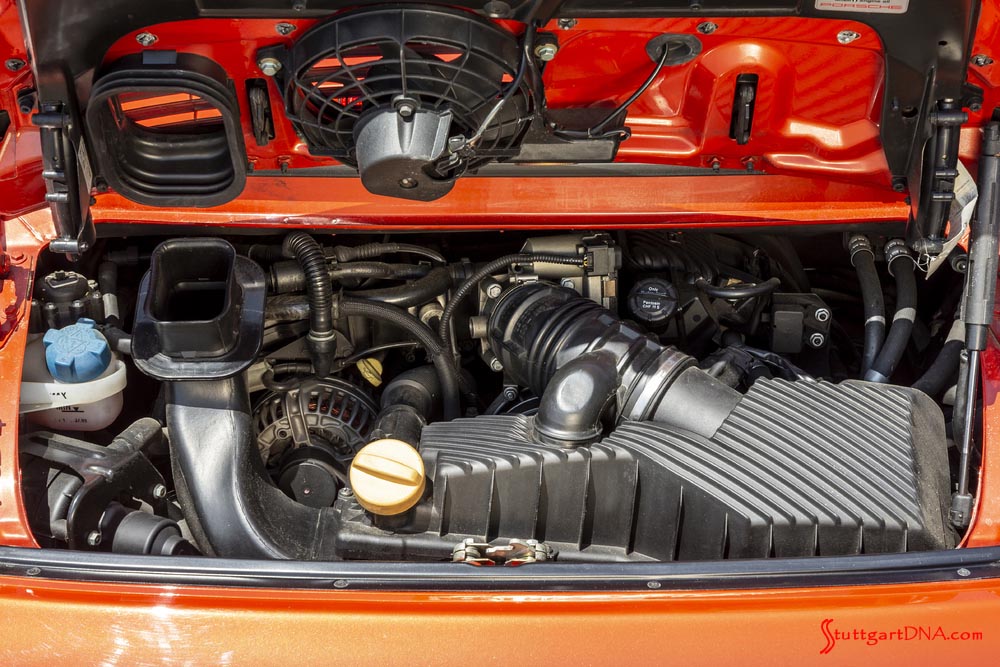
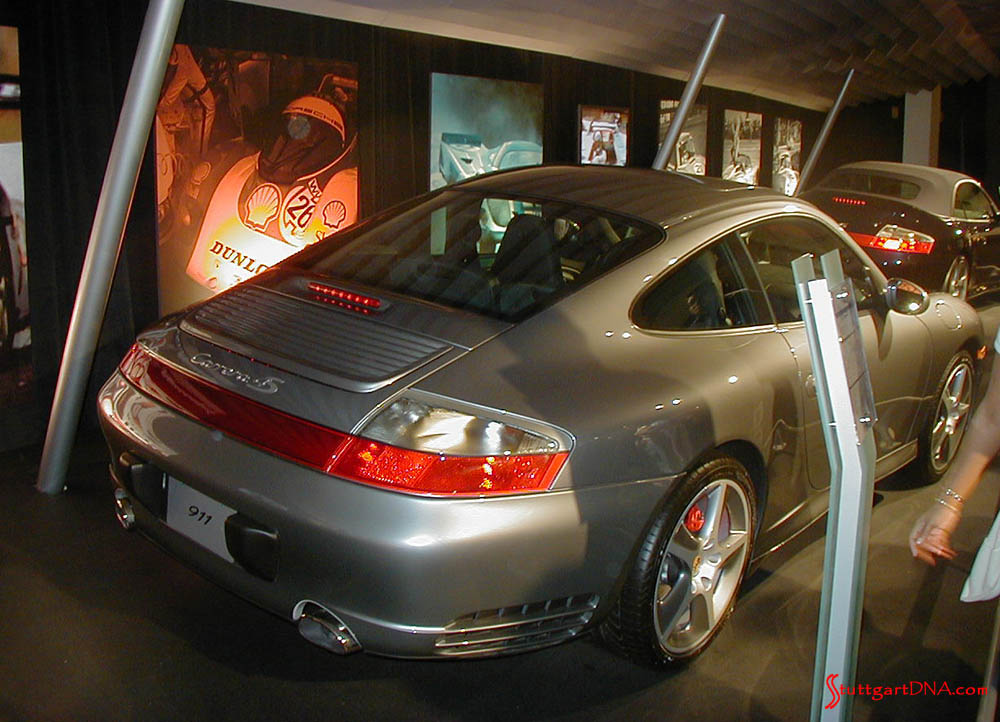


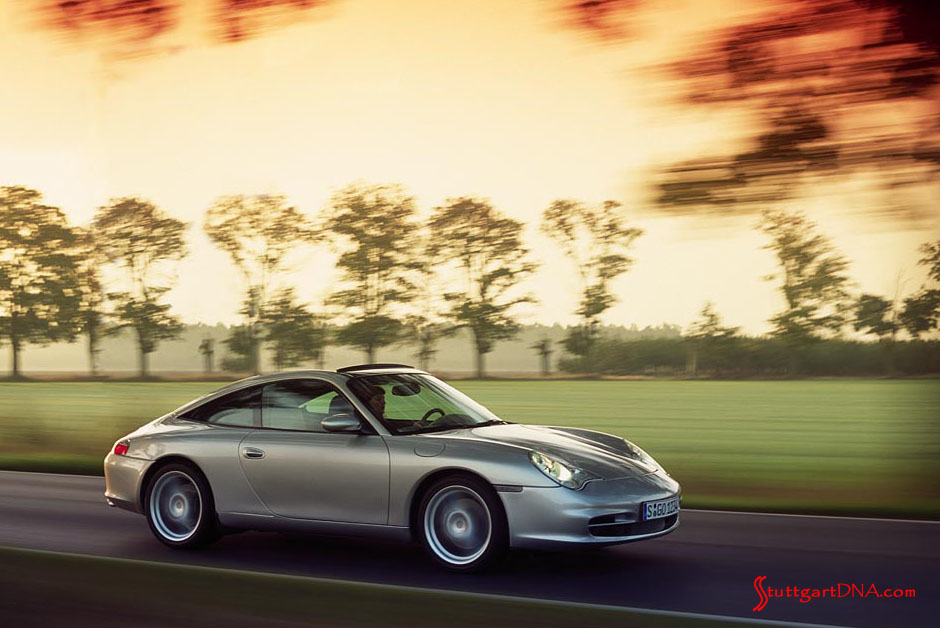


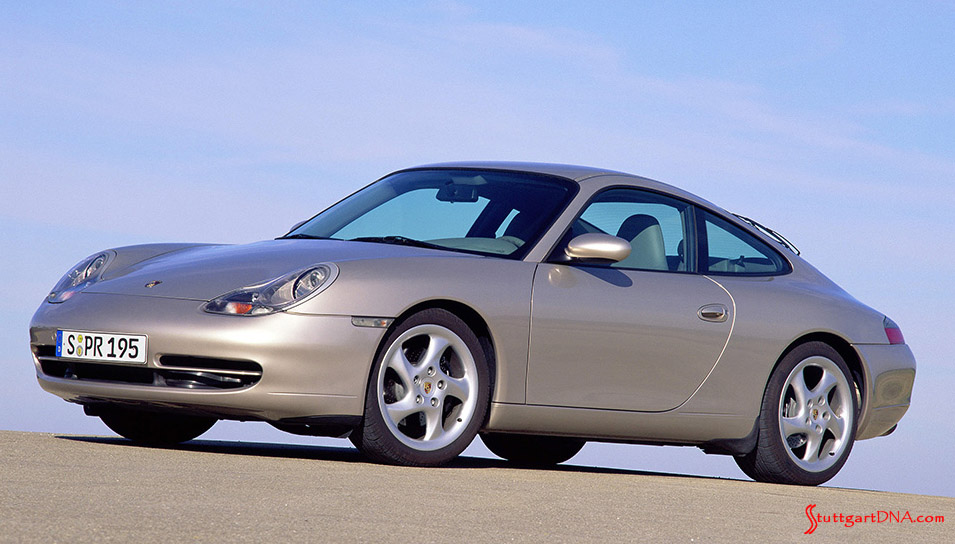
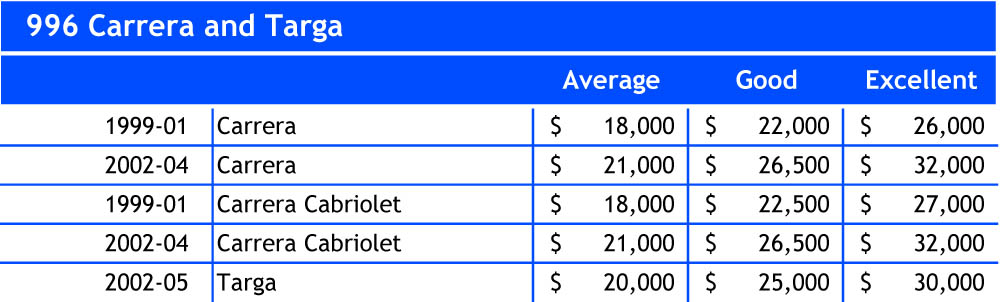

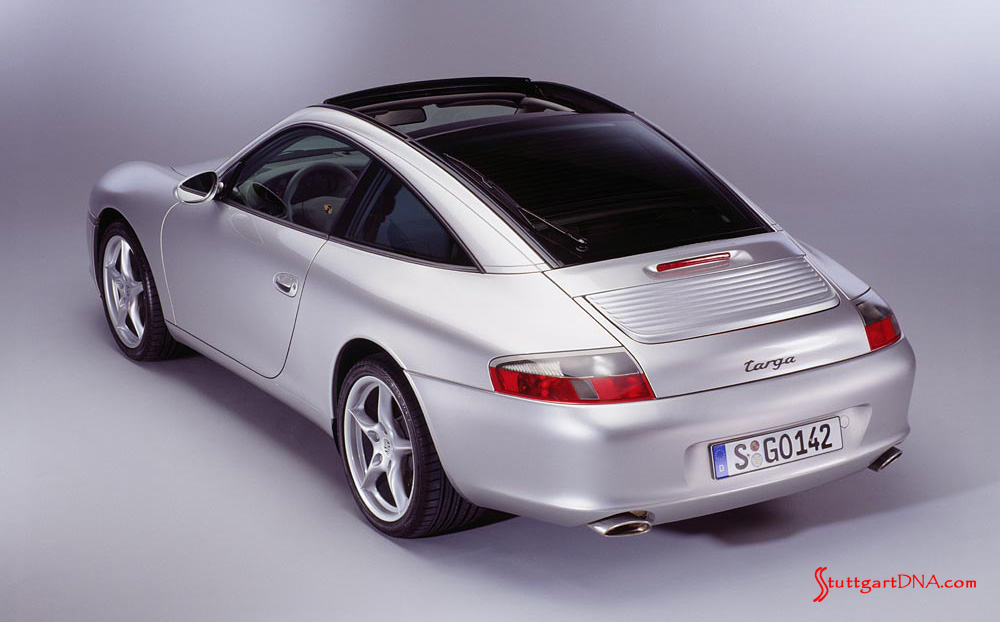
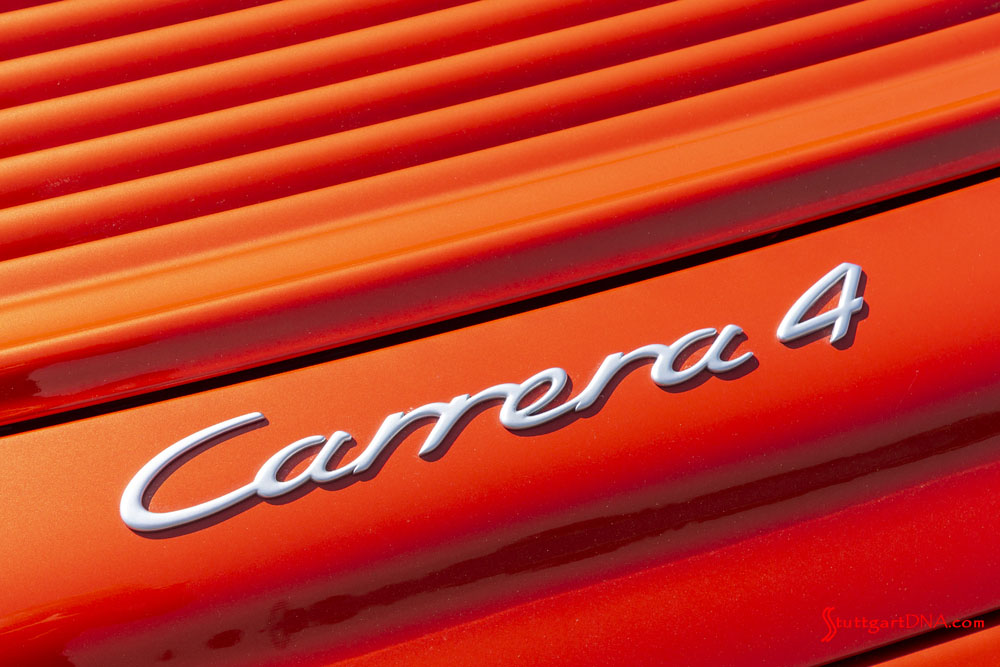
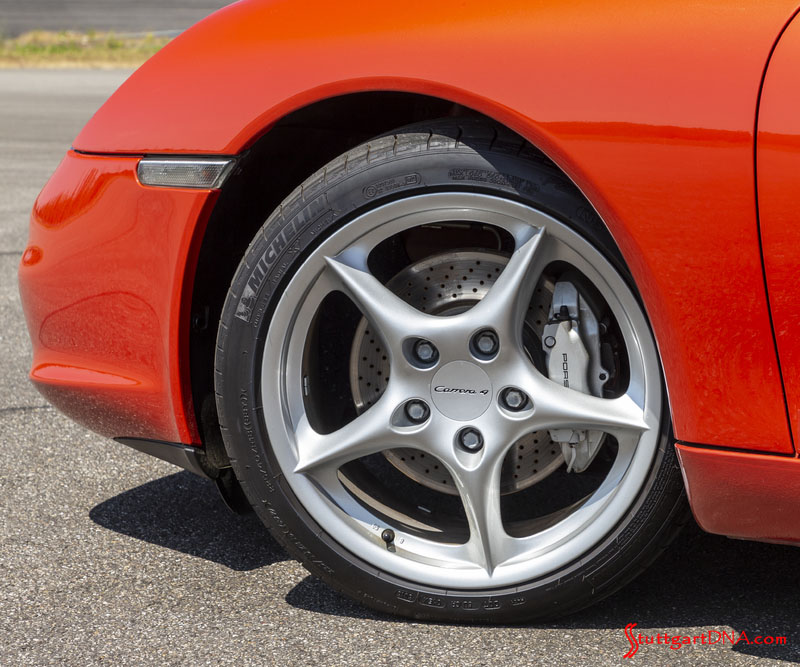
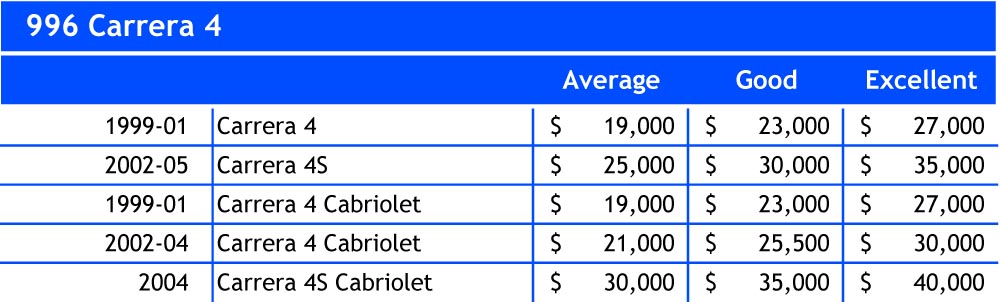
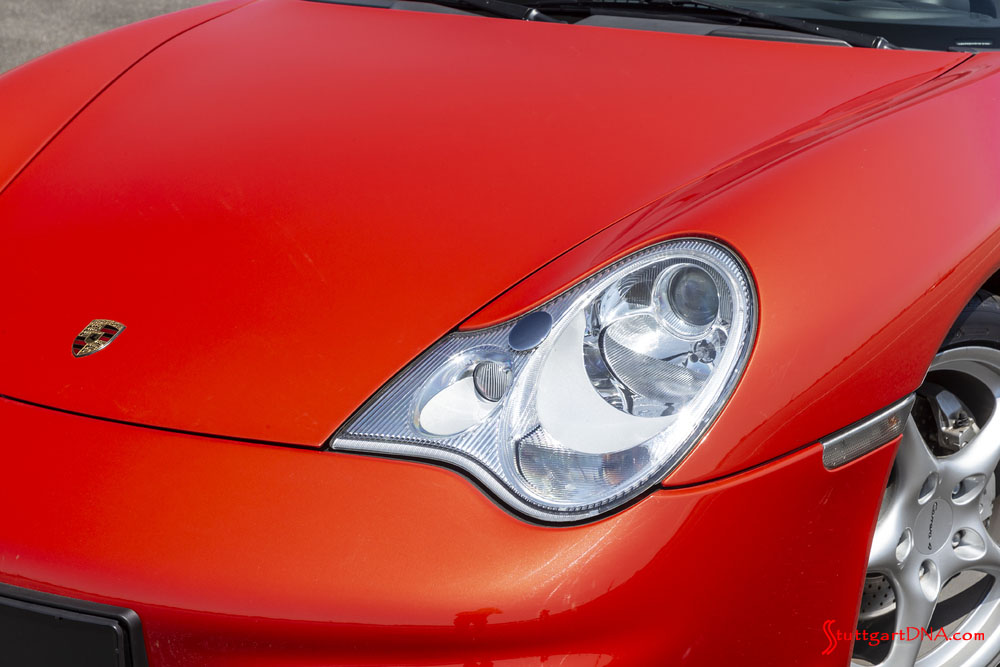
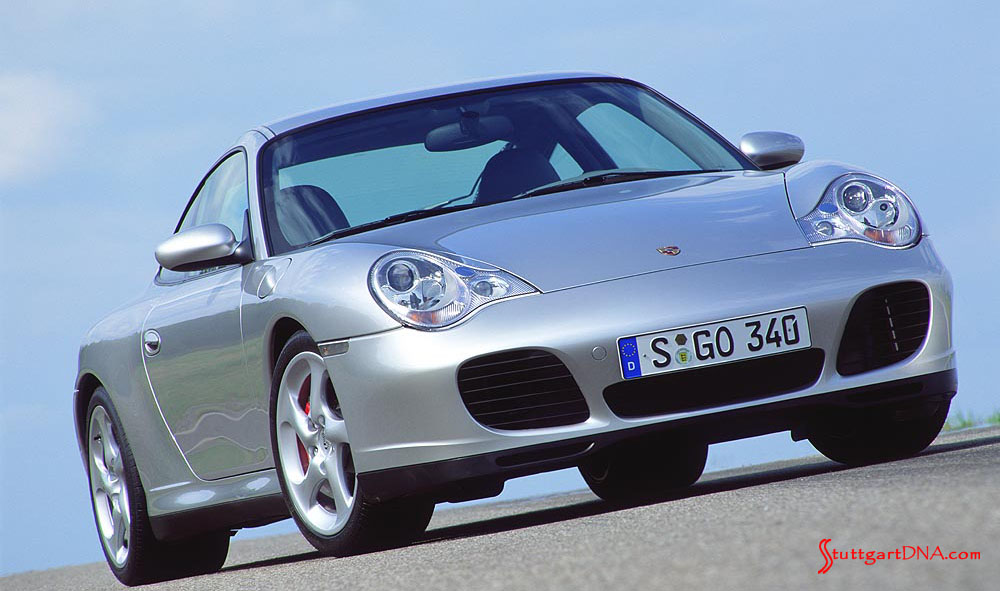
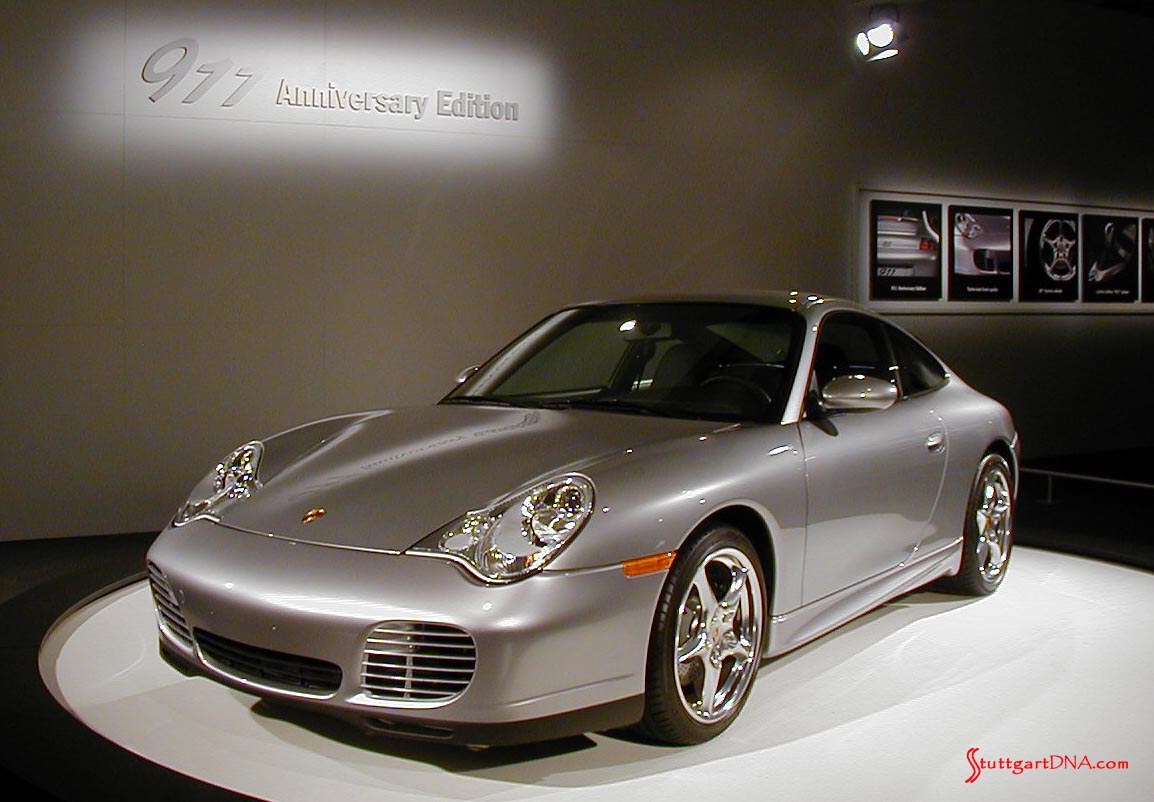
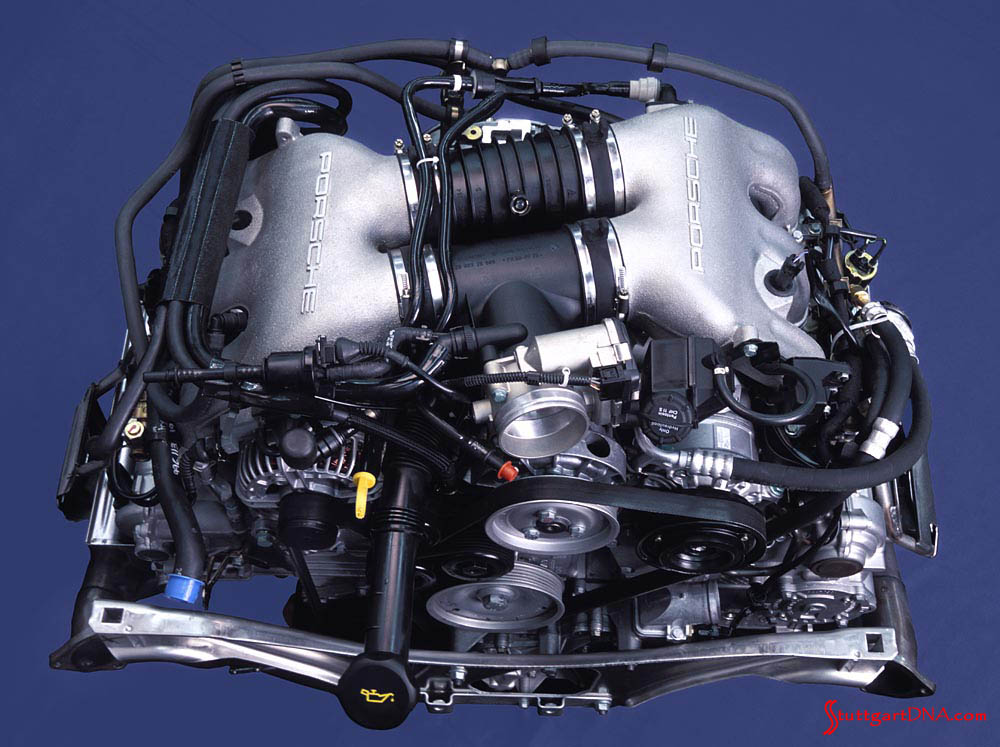
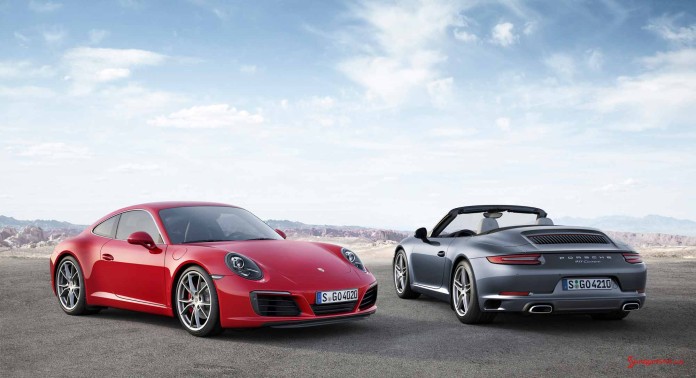

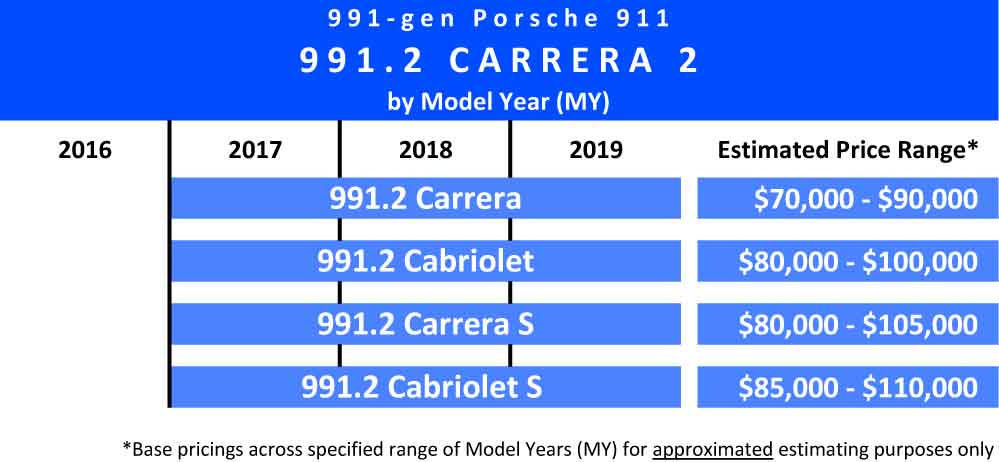
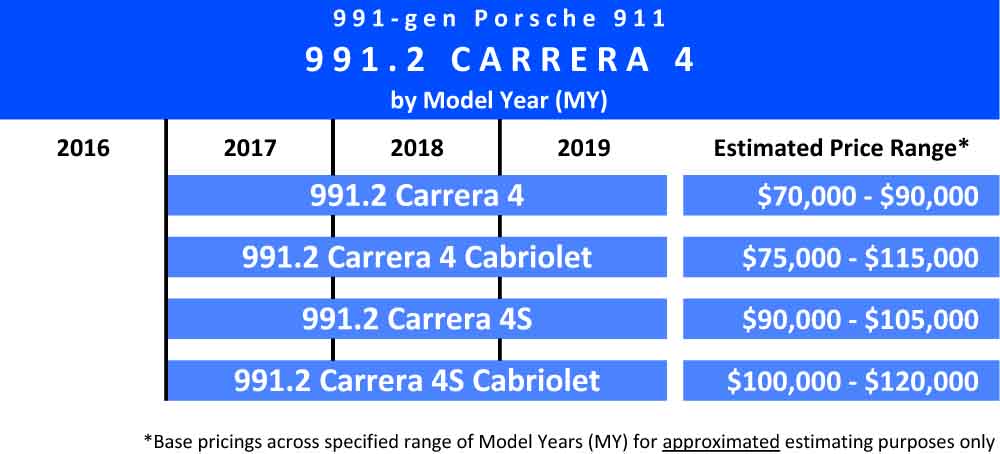
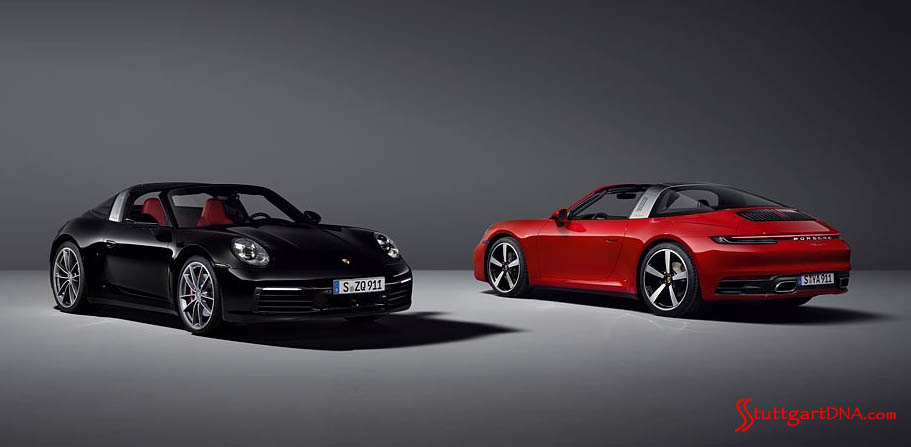


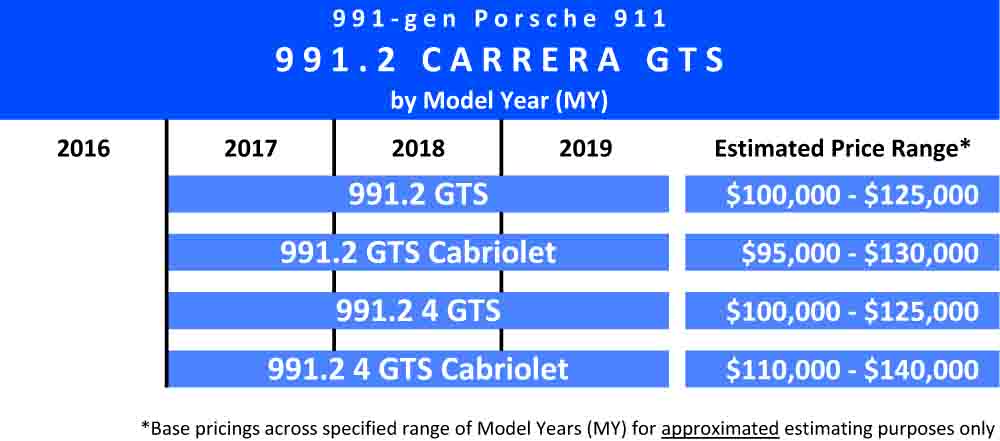

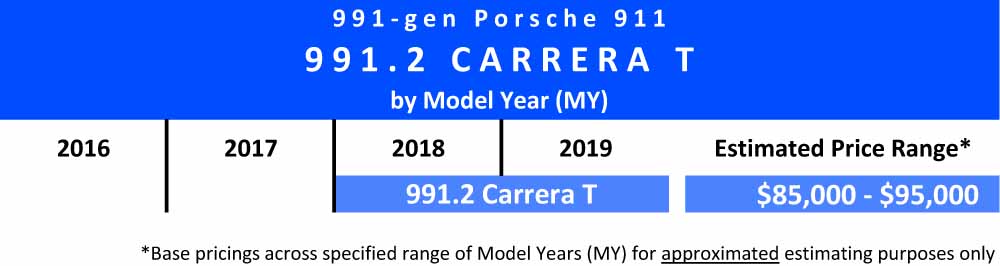
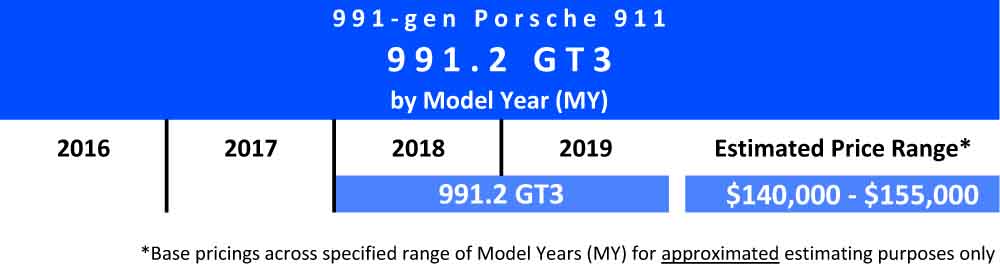
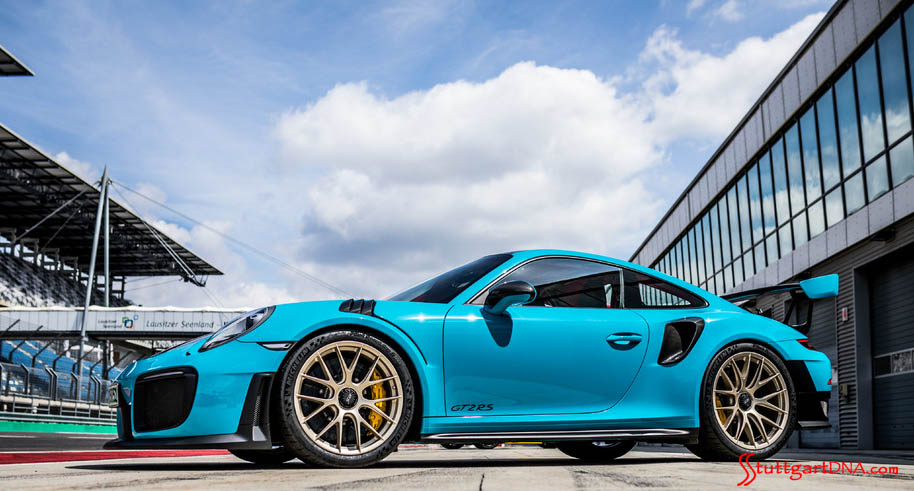
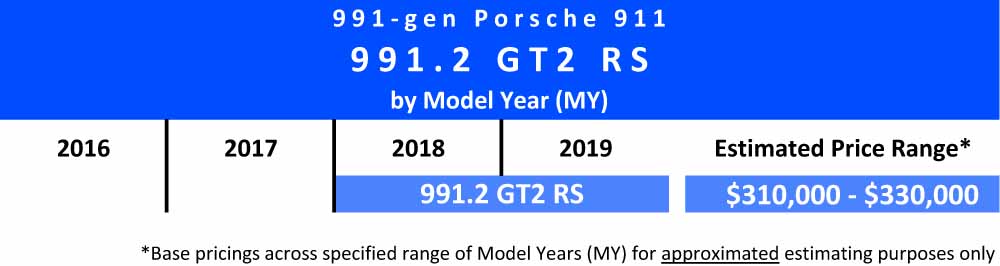
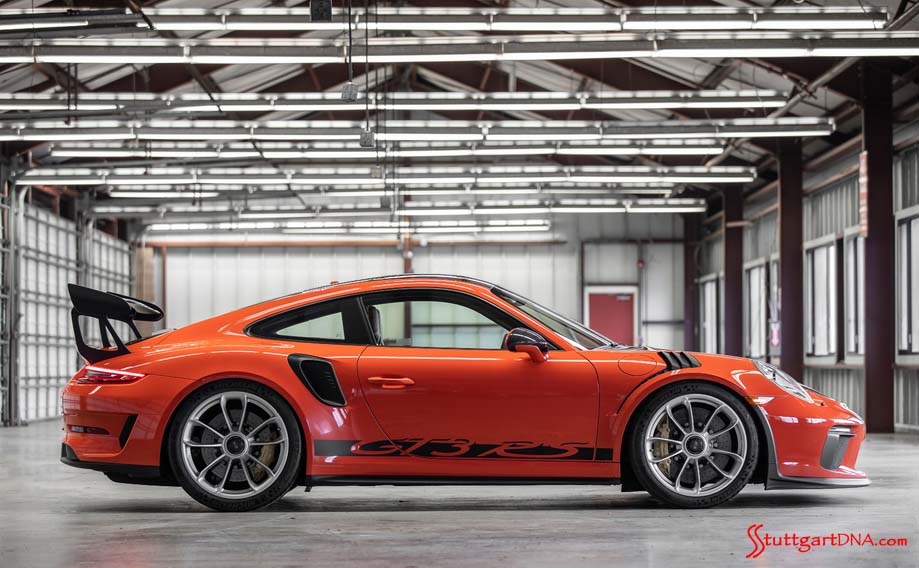
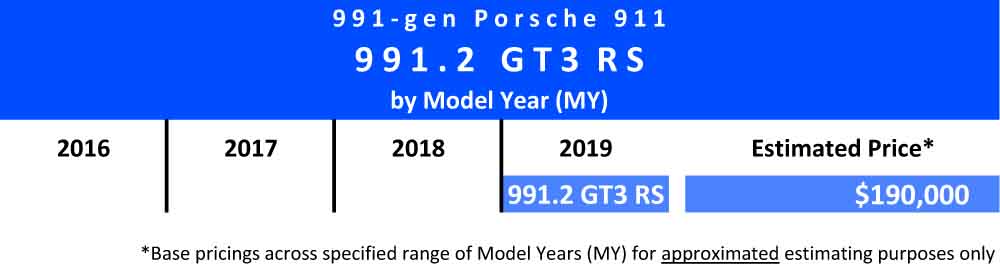
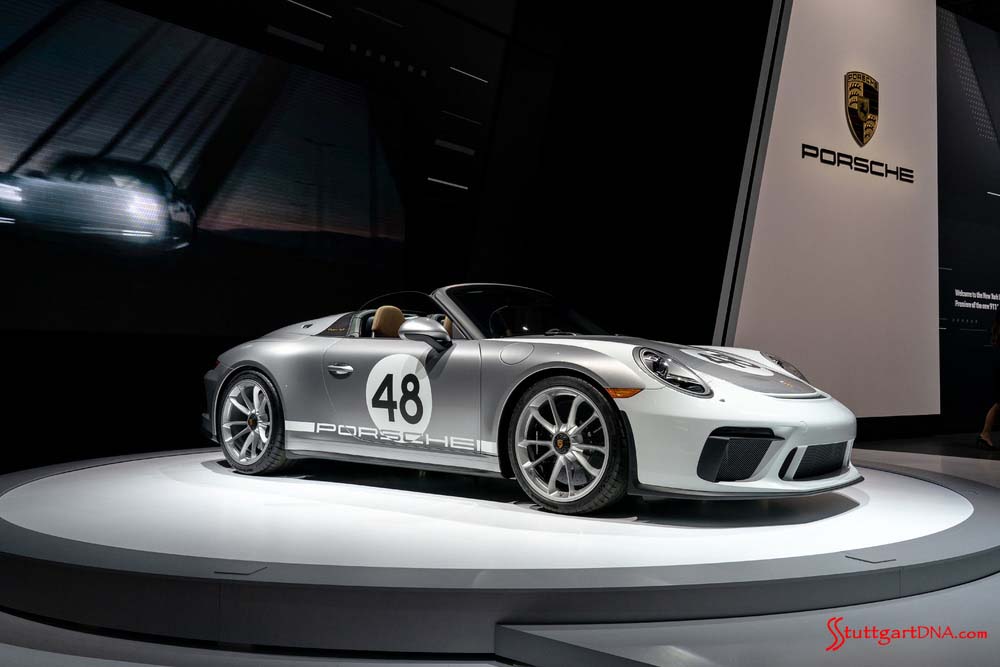
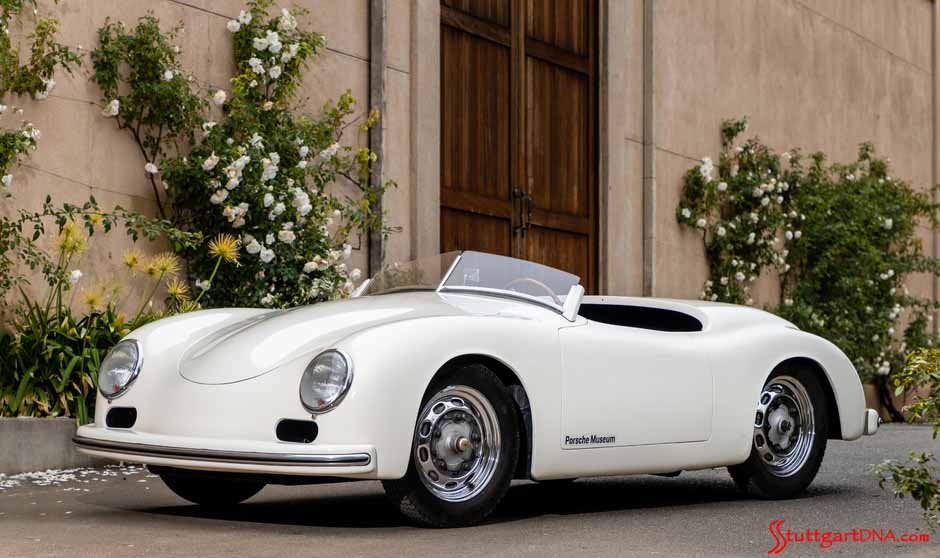

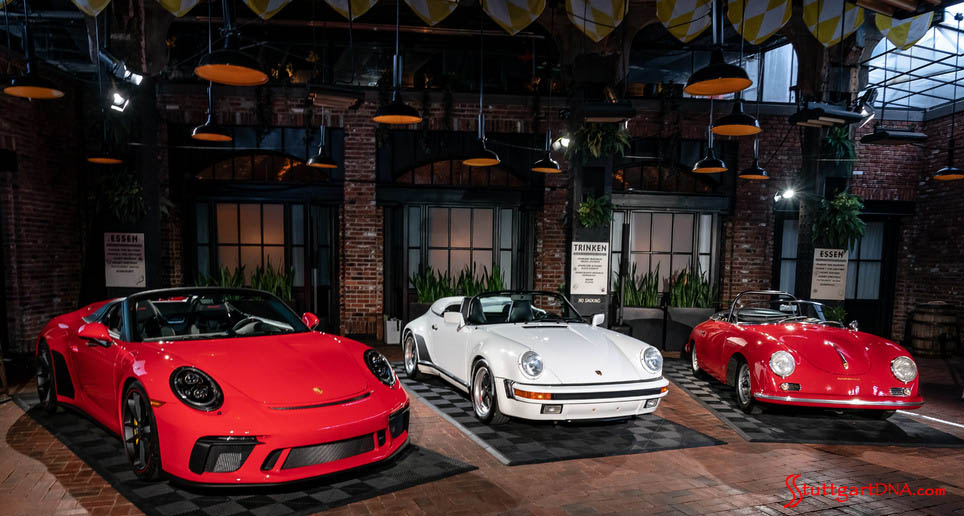





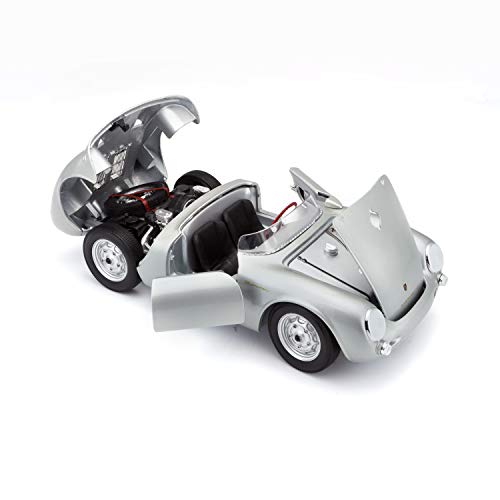

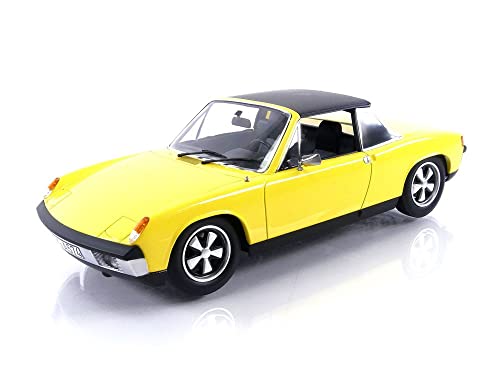





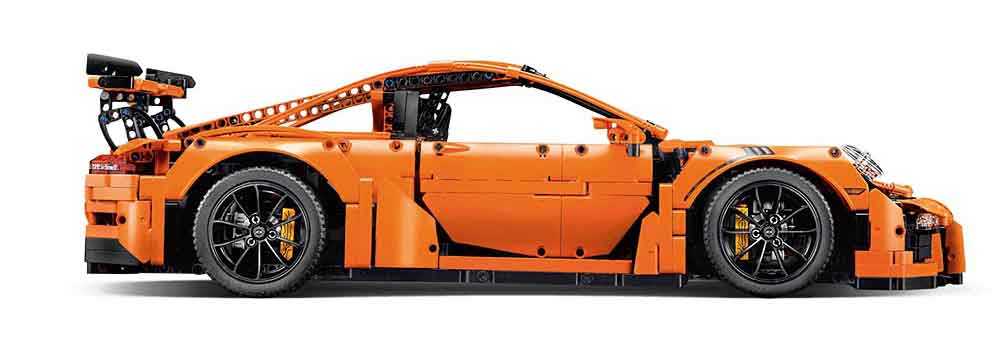
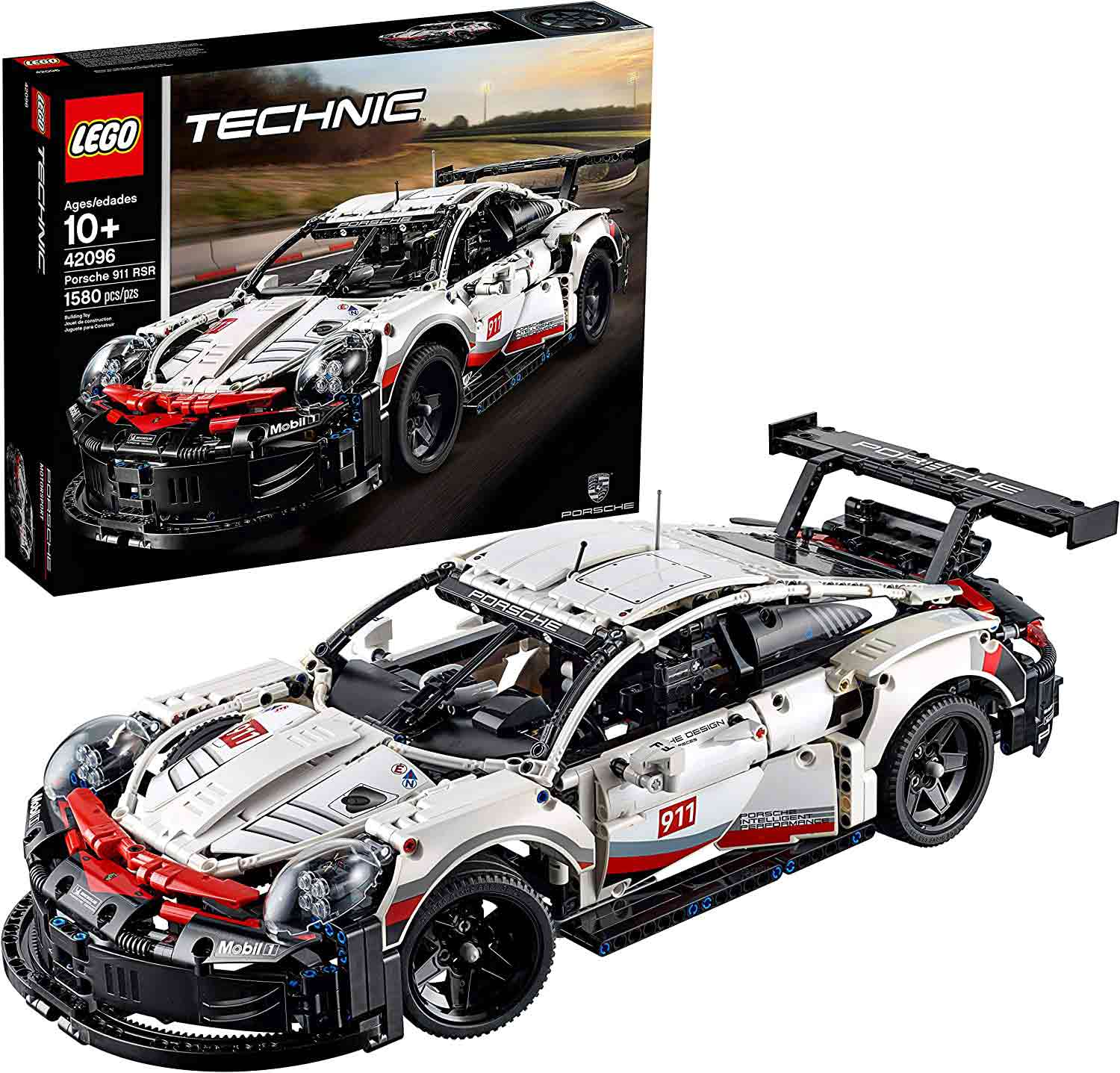

![Hot Wheels Porsche 356 Outlaw, [Yellow] Boulevard](https://m.media-amazon.com/images/I/51QOuZFcr3L.jpg)

![Hot Wheels Porsche 356 Outlaw, [Blue] 171/250 Speed Graphics 7/10](https://m.media-amazon.com/images/I/41pu0xKgqaL.jpg)
![Hot Wheels Porsche 356A Outlaw, [Blue] Air Cooled 3/5](https://m.media-amazon.com/images/I/41A1AV1j8yL.jpg)
