Presenting Motor Oil 101 basics for classic Porsche cars. Motor oil is the lifeblood of any classic Porsche, but it’s especially critical for air-cooled models — especially the 356 models and the early 911 models. In depth, we will cover the true original classics: the 356, 912, 914, and 911 through 993.
These engines rely heavily on oil not just for lubrication but also for cooling — air-cooled flat-sixes and fours, for example, run hot, have tight tolerances (or wider ones in older builds), and use a dry-sump system in many cases with large oil volumes (often 8–12+ quarts). Bottom line, poor oil choice and/or maintenance can lead to wear on flat-tappet cams/lifters, bearing issues, or deposits.
T A K E A W A Y S:
Selecting the right and best motor oil for your classic Porsche is a function of…
— Your model
— Your engine displacement ,and
— Your engine is air-cooled, or not
High zinc content is crucial
Thicker viscosity is almost just as important relative to…
— Operating temperatures, and
— Everyday driving climates
- Introduction
- 1. What Motor Oil Actually Does in a Classic Porsche
- 2. Key Oil Properties to Understand
- 3. Official Porsche Classic Motor Oil Recommendations
- 4. Popular Alternatives
- 5. How Often to Change Your Motor Oil + Basic Service Tips
- 6. Common Mistakes to Avoid
- Deeper Dive into Available Porsche Classic-Specific Motor Oils on the Market
Introduction
Classic air-cooled Porsche engines typically need high-zinc (ZDDP) oil and thicker viscosity oil like 20W-50. In short, selecting the correct motor oil for classic air-cooled Porsche engines — specifically those found in the 356, 914, and 911 models through the 993 generation — requires balancing modern lubricant technology with the specific mechanical requirements of vintage metallurgy.
Otherwise, as an owner, being totally oblivious to the imperative of needing to use the proper required motor oil — and therefore inadvertently and perhaps tragically filling your air-cooled engines with modern low-zinc oils — can irreparably accelerate cam/lifter wear in flat-tappet engines.
High-zinc “classic” oils are specifically formulated to prevent this and maintain a thicker protective film. This is because, unlike modern water-cooled engines, air-cooled Porsche engines rely heavily on motor oil for thermal management, making the oil’s stability and chemical composition critical to the engine’s longevity.
In essence, the indispensable and most critical factor for classic Porsche engines is the concentration of Zinc Dialkyldithiophosphate (ZDDP, Zinc and Phosphorus) vis-à-vis the notorious flat-tappet issue (fleshed out more below).
But first, there are also the issues of viscosity and thermal stability, as well as mineral motor oils vs. synthetic motor oils. We address these issues here…
Viscosity and Thermal Stability
Because our subject engines are air- and oil-cooled, they experience higher localized temperatures than their water-cooled counterparts. So viscosity is also critical here…
- 10W-60 or 15W-50: These are the gold standards for many classic 911s and 914-6s, especially in warmer climates or for performance driving. The higher “hot” weight (50 or 60) ensures the oil maintains its film strength under extreme heat, suppressing direct metal-to-metal contact.
- 10W-40: Often recommended for the 356 or four-cylinder 914 models, or for 911s operated in consistently cold climates.
Mineral vs. Synthetic
- Mineral Oil: Generally preferred for very early engines (pre-1977) because it is less likely to cause leaks in old cork gaskets. It is also often credited with maintaining better oil pressure in worn engines.
- Synthetic Oil: Offers superior cleaning properties and thermal stability. While modern synthetics are much better, switching an old engine that has always run mineral oil to synthetic can sometimes “wash away” sludge that was actually helping seal old gaskets, leading to new leaks. Pity…
So for now, just for the sake of the concept “from the get-go,” for such classic air-cooled Porsche engines, Porsche has developed its own “Porsche Classic” line of oils specifically for these vehicles, formulated with the right viscosity, ZDDP (zinc/phosphorus) levels for flat-tappet cam protection, gasket compatibility (e.g., cork in early engines), low deposits, and suitability for infrequent driving and longer storage periods common with classics. Let’s review them now…
Here’s a straightforward “101” guide “by the numbers” tailored to classic Porsche cars, based on Porsche’s own recommendations as well as real-world enthusiast experience gleaned from internet forums and the like.
1. What Motor Oil Actually Does in a Classic Porsche
- Lubricates: Prevents metal-to-metal contact (critical for flat-tappet camshafts in air-cooled engines).
- Cools: Circulates through oil coolers and the engine case—oil does a lot of the heavy lifting since there’s no traditional water jacket.
- Cleans: Suspends contaminants and prevents sludge (air-cooled engines can run hot and form deposits if the oil isn’t right).
- Seals: Helps with gaskets and rings (older cork or lead-bearing materials in pre-1977 cars are sensitive to modern additives).
- Protects: Additives like ZDDP (zinc dialkyldithiophosphate) form a protective film on high-wear parts.
Classic Porsches are often driven infrequently and stored for long periods, so the oil must handle cold starts, heat soak, and moisture/condensation better than in daily drivers.
2. Key Oil Properties to Understand
- Viscosity (e.g., 20W-50): The numbers describe thickness. The first (with “W” for winter) is cold-flow; the second is hot operating temp. Thicker hot viscosity (40–60) is common for air-cooled Porsches because they run hot and have looser tolerances in older engines. In warm climates like Los Angeles, 15W-50 or 20W-50 works great year-round.
- Base Stock:
- Mineral (conventional): Traditional, good compatibility with older seals/gaskets.
- Synthetic: Better stability at high temps, cleaner, longer-lasting.
- ZDDP (Zinc/Phosphorus): Flat-tappet engines (most air-cooled Porsches) need higher levels (ideally 1,000+ ppm zinc) for anti-wear protection. Modern “energy-conserving” oils have reduced ZDDP for emissions/catalysts—avoid those in classics.
- Porsche Specs: Look for oils meeting Porsche’s approvals or the official Classic lineup (no need to chase old API ratings—Porsche has updated guidance).
3. Official Porsche Classic Motor Oil Recommendations
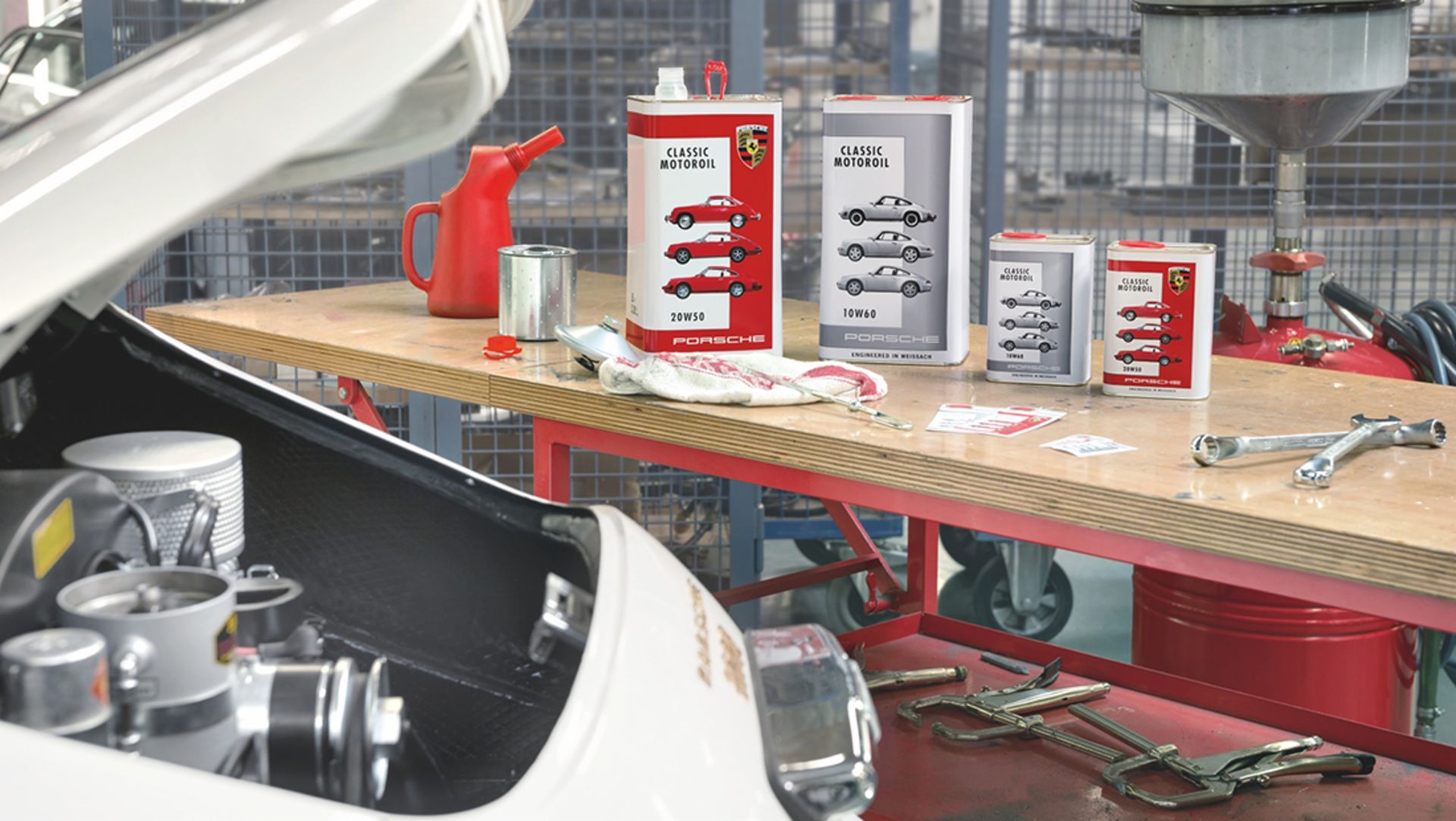
Porsche Classic developed a dedicated lineup in Weissach, accounting for modern driving (infrequent use, longer storage, updated parts). These are the gold standard:
- 20W-50 (mineral-based): For pre-1977 air-cooled models up to 2.7 liters (356, 914, early 911 F/G-series). Excellent gasket compatibility, low deposits, perfect for older engines.
- 10W-60 (fully synthetic): For air-cooled 911s from 3.0 liters up (post-1977 through 993). Handles higher revs, better high-temp stability, dry-sump lubrication.
- 10W-50 (synthetic): Transaxle models (924/928/944/968).
- 5W-50 (synthetic): Later water-cooled classics like 996/986 Boxster.
These oils have the right ZDDP levels for flat-tappet protection (typically 800–1,100+ ppm depending on variant, per independent tests).
4. Popular Alternatives
Many owners run these choices with great success — but for yourself always match viscosity and ensure high ZDDP:
- Brad Penn (Penn Grade 1) 20W-50 or Motul 300V 15W-50: High ZDDP, popular in the air-cooled community.
- Mobil 1 15W-50 (or V-Twin): Readily available, strong track record; Porsche uses Mobil 1 in many applications.
- Valvoline VR1 Racing 20W-50: High-zinc racing formulation, budget-friendly.
- Driven GP-1 or Amsoil Z-Rod: Formulated specifically for flat-tappet classics.
Rule of thumb for mild/warm climates (e.g., California, etc.): Stick to 15W-50 or 20W-50. Thinner oils (like 0W-40) are fine for very cold starts but less ideal in sustained heat.
5. How Often to Change Your Motor Oil + Basic Service Tips
- Interval: Every 3,000–5,000 miles or annually, whichever comes first. Classics sit idle in storage a lot — old oil picks up moisture and acids.
- Quantity: Check your manual, but typical air-cooled 911s take ~8–9 quarts (plus filter). Always fill via the oil tank, run the engine briefly, then top off.
- Filter: Use a quality one (Mann or OEM-style Mahle); cut it open after the first change on a new/rebuilt engine to inspect for debris.
Air-cooled 911 oil filler/dipstick is in the engine bay (not the crankcase like modern cars). Always check level on level ground after the engine is warm and has run a few minutes.
Pro tips:
- Warm the engine before draining for best results
- Replace crush washers on drain plugs
- For storage: Change oil before long sits to avoid corrosion
6. Common Mistakes to Avoid
- Using modern low-ZDDP “universal” oils (e.g., some 5W-30s) — risks cam/lifter wear
- Running too thin in hot weather or high-mileage engines
- Skipping changes because “it only has 2,000 miles”
- Overfilling or underfilling the dry-sump tank
If your car is freshly rebuilt, high-mileage, or modified, consult your engine builder — they may specify a break-in oil or exact ZDDP target.
Porsche Classic oils are engineered specifically for these cars, but quality high-ZDDP synthetics or mineral oils from reputable brands work well too. Always err on the side of the thicker, higher-ZDDP option for peace of mind when it comes to your classic Porsche.
Deeper Dive into Available Porsche Classic-Specific Motor Oils on the Market
Official Porsche Classic Recommendations

Note: For direct online purchase from this page, please follow the link here or above to eBay, or follow the link here or below to Suncoast Porsche, our favorite online Genuine Porsche Parts store…
Suncoast link to follow for Porsche Classic Motoroils: Suncoast Classic Porsche Parts & Accessories
Porsche Classic oils are the factory-produced and factory-endorsed choice, engineered in Weissach and rigorously tested for these engines:
- Pre-1977 air-cooled models up to 2.7 liters (356, 914, early 911 F/G-series): Porsche Classic 20W-50 (mineral-based). Excellent cold/warm performance, gasket-friendly, and low deposit formation
- Air-cooled 911 models from 3.0 liters up (post-1977 through 993, including SC, Carrera 3.2, 964, and 993): Porsche Classic 10W-60 (fully synthetic). Handles higher performance, dry-sump lubrication, heat, and modern engine tolerances better while keeping everything clean
- Transaxle models (924/944/968/928): Porsche Classic 10W-50 (synthetic)
- Early water-cooled classics (996 911/986 Boxster): Porsche Classic 5W-50 (but these are borderline “classic” for many owners, namely, so-called nose-in-the-air “purists”)
These are multi-grade oils suitable for year-round use. In a warm climate like Los Angeles in where StuttgartDNA is based, the higher-viscosity options (20W-50 or 10W-60) perform well without thinning excessively under heat.
Why These Specs Matter for Classics
- ZDDP levels: Older air-cooled Porsche flat engines need higher zinc/phosphorus (~0.12–0.14% or more) for anti-wear protection on flat-tappet cams and bearings. Modern API SN/SP “energy-conserving” oils have reduced ZDDP (to protect catalytic converters, which classics don’t have) and can cause accelerated wear.
- Viscosity and shear stability: Air-cooled engines run hot; thicker oils maintain film strength. Avoid conventional 10W-40 or high-viscosity-index oils with excessive polymers.
- Base stock: Early engines prefer mineral or specific synthetics for seal compatibility; later ones benefit from synthetics for cleanliness and high-temp stability.
Popular High-ZDDP Alternatives for Your Prudent Choosing
Let’s break down both the Porsche-factory-recommended motor oils against the most popular high-ZDDP alternatives, shall we?
Many enthusiasts and shops (e.g., LN Engineering [one of our favorites], Repasi Motorwerks, etc.) also recommend these proven options if Porsche Classic isn’t available or for cost/track use:

Motul 300V 15W-50 (fully synthetic racing oil) — excellent for air-cooled 911s; high ZDDP and shear stability.
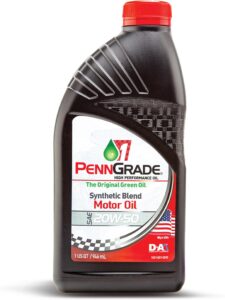
Brad Penn (Penn Grade 1) 20W-50 — partial synthetic blend, high ZDDP, beloved for classics and muscle cars.
Others frequently praised classic motor oils with honorable mentions for air-cooled Porsche engines:
- Driven Racing Oil (e.g., GP-1 or HR-1)
- Mobil 1 15W-50 (V-Twin or older formulations)
- Valvoline VR1 20W-50, or
- Swepco 20W-50
Comparison of Other Available Porsche Classic-Specific Motor Oil Brands
Here’s a nifty breakdown by the following personal-choice criteria as expressed most prominently in Porsche-centric forums and social media…
- Best Overall
- Porsche-Specific (factory developed)
- High-Zinc Enthusiast Favorite
- Synthetic Option (still classic-friendly) and
- European Classic Formula
Best Overall
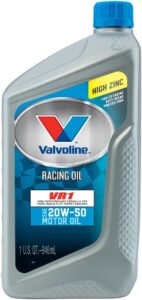
Valvoline VR1 Racing 20W-50 Motor Oil
Why it’s best:
- High ZDDP for cam/lifter protection
- Proven in air-cooled engines
- Easy to find and affordable
- Works well in warm climates (like here in StuttgartDNA’s State of California)
Porsche-Specific (factory developed)
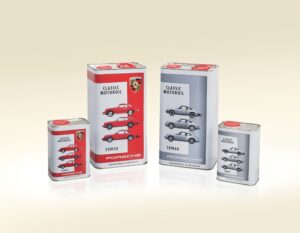
Porsche Classic Motor Oil
Factory-branded oil formulated in Weissach for vintage Porsche air-cooled engines
Best if you want:
- Period-correct oil
- Porsche-approved formulation
- Ideal for winning concours competition or originality
High-Zinc Enthusiast Favorite
PennGrade 1 20W-50 High-Performance Oil
High-zinc “Brad Penn”-style oil popular with elite classic Porsche builders and restorers
Why people choose it:
- Very high zinc levels
- Strong film strength for hot air-cooled motors
- Great for spirited driving
Synthetic Option (still classic-friendly)
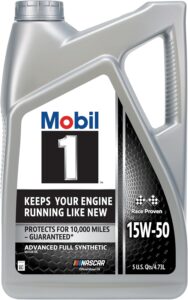
Mobil 1 15W-50 Full Synthetic Motor Oil
Thick synthetic oil often used in later classic 911 engines necessitating improved cold flow
Good for:
- Later air-cooled 911s
- Engines with tighter tolerances
- Mixed climates
European Classic Formula
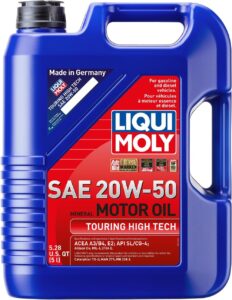
LIQUI MOLY Classic 20W-50 HD Motor Oil
European classic-car oil formulated for older engines from the 1940s-1960s era
Best for:
- Stock engines
- Original-spec rebuilds
- German-car purists
For your convenience, here’s a chart for at-a-glance comparisons…
At-a-Glance Personal-Choice Comparison Chart of
Motor Oil for Classic Air-Cooled Porsche Cars
| Valvoline VR1 Racing 20W‑50 Motor Oil | Porsche Classic Motor Oil 20W‑50 | PennGrade 1 20W‑50 High Performance Oil | Mobil 1 15W‑50 Full Synthetic Motor Oil | LIQUI MOLY Classic 20W‑50 HD Motor Oil | |
|---|---|---|---|---|---|
| Where to buy | Amazon | Suncoast | Amazon | Amazon | Amazon |
| Type | Conventional racing | Classic Porsche | High-zinc performance | Full synthetic | Classic mineral |
| Zinc (ZDDP) | High | High | Very high | Moderate-high | Classic-spec |
| Best for | Daily classic use | OEM authenticity | Hard driving | Later classics | Stock restorations |
| Viscosity | 20W-50 | 20W-50 | 20W-50 | 15W-50 | 20W-50 |
| Air-cooled friendly | Yes | Yes | Yes | Yes | Yes |
Credit: various blended independent online and social-media sources
Always consult your specific model’s owner’s manual or a Porsche specialist, as engine rebuilds, modifications, or climate can influence the choice. For example, in Los Angeles and other similar-clime’s mild-to-warm weather, stick closer to 15W-50 / 20W-50 / 10W-60 ranges.
Practical Tips (in closing):
- Change interval: Every 3,000–5,000 miles or annually (classics sit a lot, so moisture/acid buildup is an issue).
- Filter: Pair with a quality filter (e.g., Mahle/OEM).
- Where to buy: Here in our StuttgartDNA Store [INSERT LINK HERE], Porsche dealers, Pelican Parts, Suncoast Parts, or online specialists. Porsche Classic oils come in distinctive metal cans (often 5L).
Quick Rules of Thumb (classic Porsche)
- 356 / early 911 (pre-1973): 20W-50 high zinc
- 911 SC / Carrera (late air-cooled): 15W-50 or 20W-50
- Fresh rebuild: high zinc conventional first
- Moderately hot to hot climates (e.g., Southern California): stick with 20W-50
Thanks for dropping by. Don’t forget to follow us on…
Happy motoring!
We may earn a modest commission when you make a secure purchase through our links — but at absolutely no additional cost to you. So thanks for your kind support IN KEEPING US AD-FREE and keeping the lights on, here at StuttgartDNA! See our privacy policy to learn more.